
Grocery shopping in Canada has become less about filling a cart and more about making careful trade-offs. Even familiar staples now carry the kind of prices that make households pause, compare, swap brands, or leave certain items behind altogether. While food inflation has cooled from its sharpest pandemic-era spikes, the effect on everyday budgets remains visible in meat counters, produce aisles, dairy cases, snack shelves, and coffee displays. These 21 grocery items stand out because they often feel harder to justify than they once did, especially when portion sizes, quality, seasonality, and household priorities are all part of the calculation.
Beef Steaks
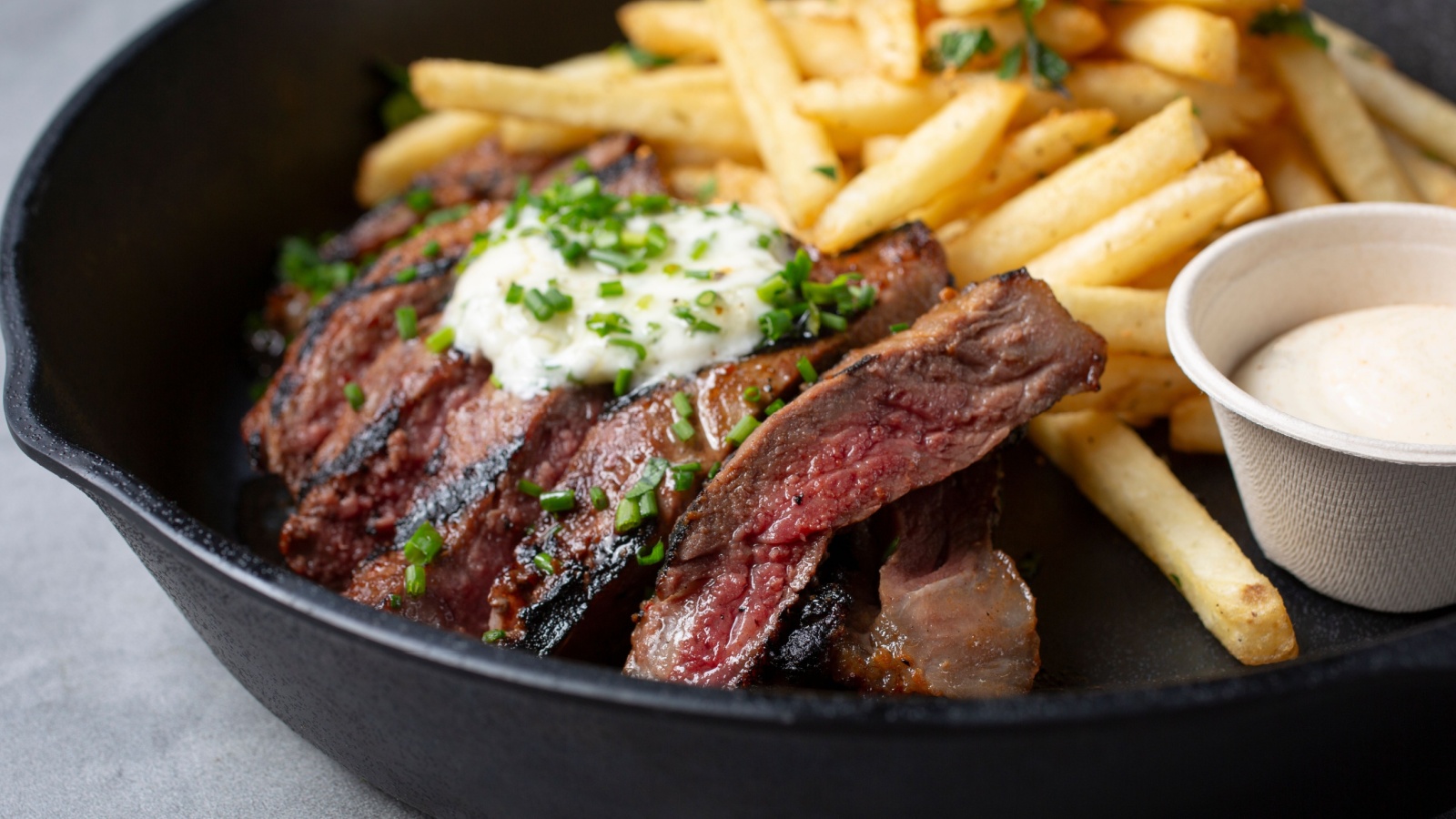
Beef steaks have become one of the clearest symbols of grocery sticker shock in Canada. A package that once felt like a weekend treat can now look closer to a restaurant-level expense, especially for striploin, rib-eye, tenderloin, or sirloin cuts. Many shoppers who still enjoy steak have shifted it from a regular purchase to a special-occasion item, stretching smaller portions with potatoes, salad, mushrooms, or grain bowls.
The frustration is not just emotional. Beef prices have been pressured by tight cattle supplies, drought effects, higher feed costs, and smaller North American herds. When the per-kilogram price rises sharply, the math changes quickly for families trying to feed several people. A steak night that once felt manageable can become one of the most expensive meals in the weekly plan.
Ground Beef
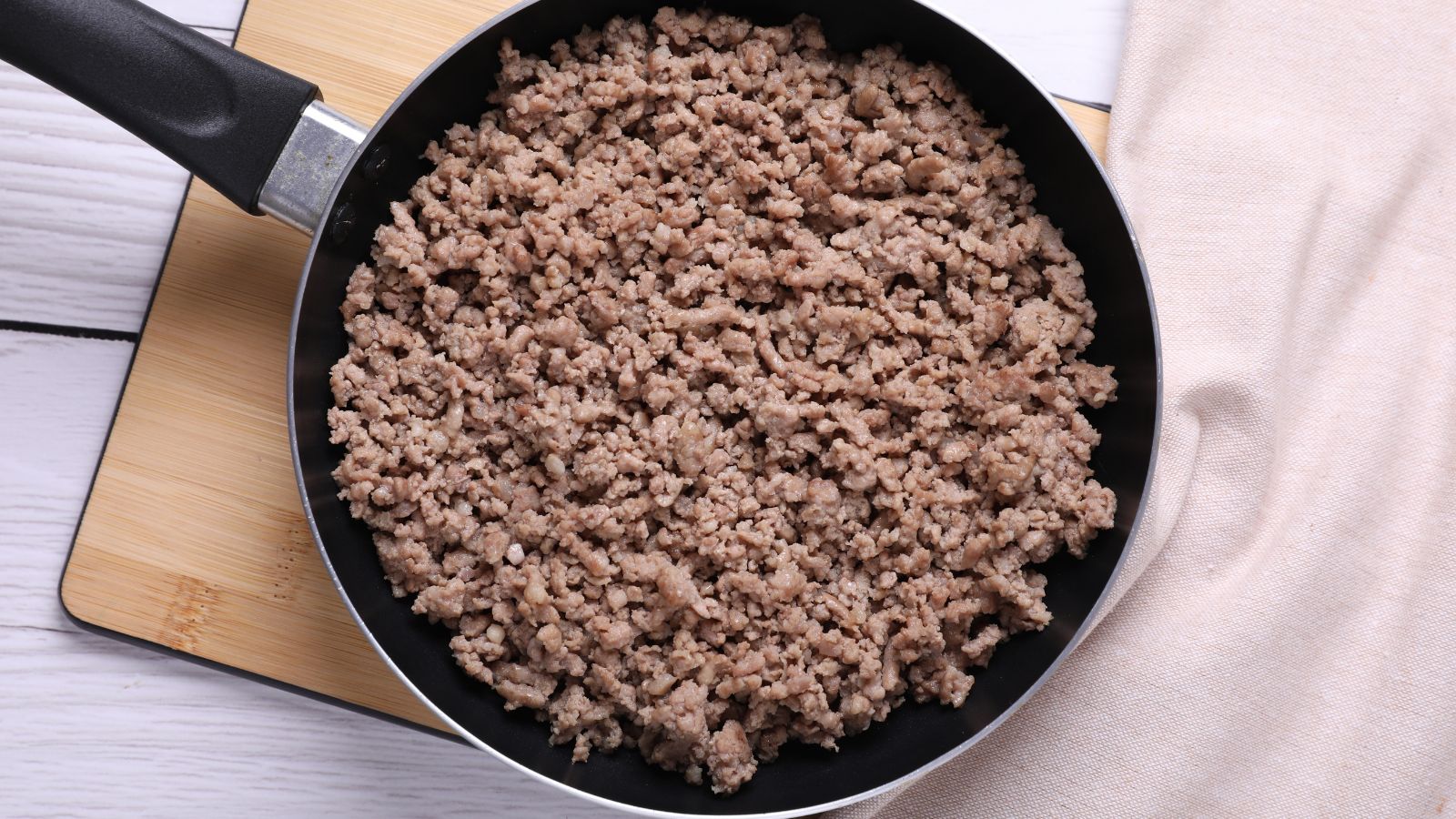
Ground beef used to be the practical answer for affordable dinners: tacos, spaghetti sauce, chili, burgers, shepherd’s pie, and meal-prep bowls. That reputation has weakened as prices have climbed. Even when it is cheaper than premium cuts, shoppers increasingly notice how little a single package stretches once it cooks down, especially for larger households or families with teenagers.
The value question becomes sharper because ground beef often competes with cheaper proteins such as lentils, beans, eggs, tofu, pork, or chicken thighs. Some households now cut it with mushrooms or legumes to make meals go further. Others wait for markdowns and freeze bulk packs. The item has not disappeared from Canadian kitchens, but it no longer feels like the automatic budget-friendly staple it once was.
Chicken Breasts

Boneless, skinless chicken breasts are convenient, lean, and easy to cook, but that convenience often carries a premium. For many Canadians, the price gap between chicken breasts and less processed cuts has become harder to ignore. A family pack can look reasonable at first glance, then feel disappointing once divided into several meals.
Shoppers looking for better value often turn to bone-in thighs, drumsticks, whole chickens, or frozen options. The shift reflects a broader grocery habit: paying closer attention to price per kilogram rather than package price alone. Chicken breasts remain popular because they fit quick weeknight cooking, but when they cost much more than other cuts, they can feel less like a staple and more like a convenience surcharge.
Eggs
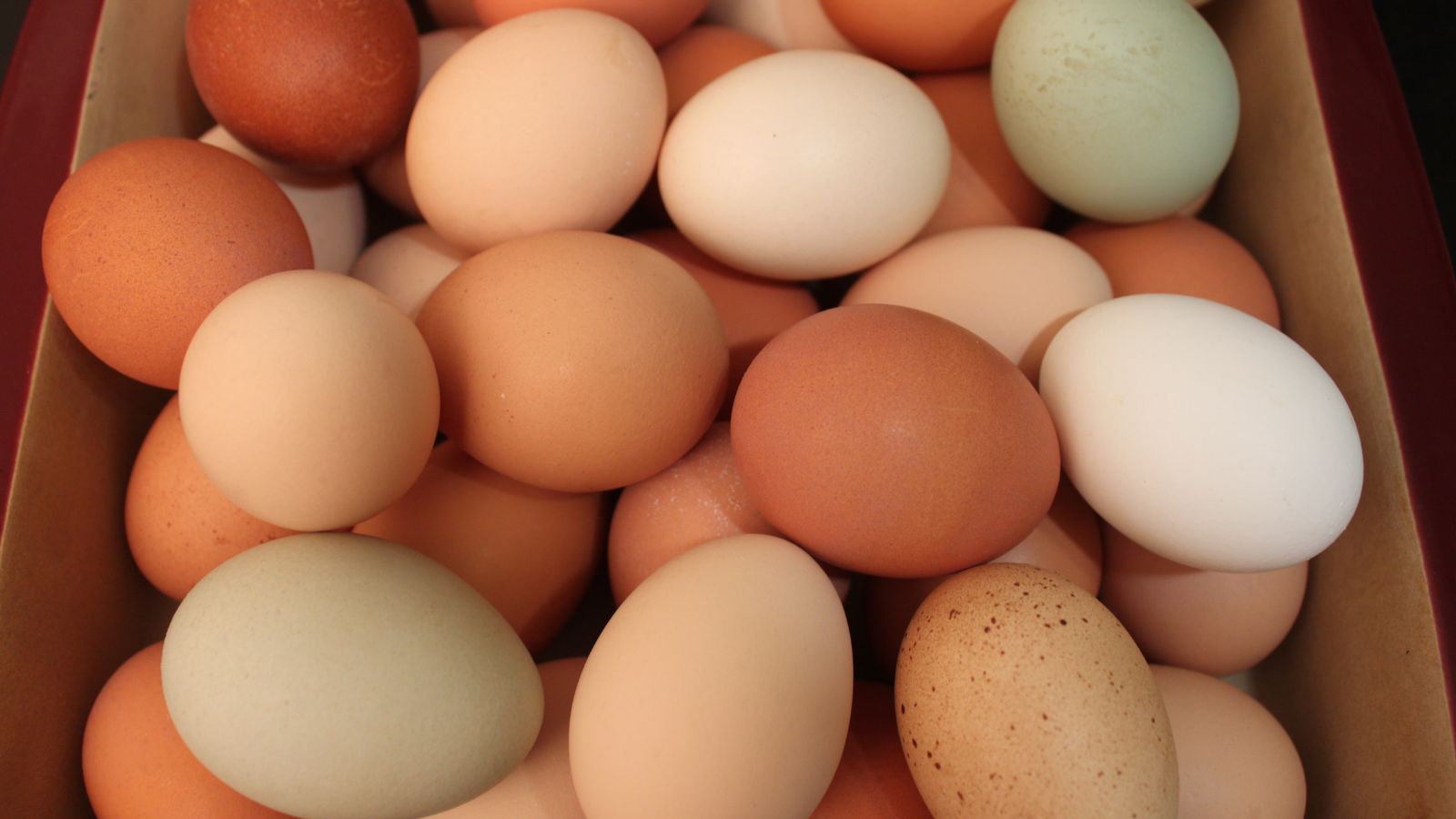
Eggs still offer protein, versatility, and speed, which is why they remain hard to replace completely. Yet the days of eggs feeling reliably cheap have faded for many Canadian shoppers. A carton can vanish quickly in households that use eggs for breakfasts, baking, school lunches, fried rice, or quick dinners, making even modest increases feel noticeable.
The bigger issue is expectation. Eggs built their reputation as one of the most affordable proteins in the grocery store, so price jumps feel especially personal. Some shoppers buy larger flats when on sale, switch between brands, or reserve eggs for meals where they matter most. Even when eggs remain cost-effective compared with many meats, they no longer feel immune from the broader affordability squeeze.
Butter

Butter has moved from a basic baking ingredient to an item many shoppers watch closely. A pound can feel expensive when needed for cookies, pastries, sauces, toast, or holiday cooking. Families that bake often notice the increase quickly because recipes rarely call for tiny amounts. A few batches of muffins or shortbread can use a full block before the week is done.
Some Canadians now stock up only during sales, freeze extra blocks, or substitute margarine and oils where taste matters less. The emotional reaction is strong because butter is tied to comfort foods and family traditions. When a familiar baking day suddenly feels costly, the price increase is not just a number; it changes what households choose to make.
Cheese
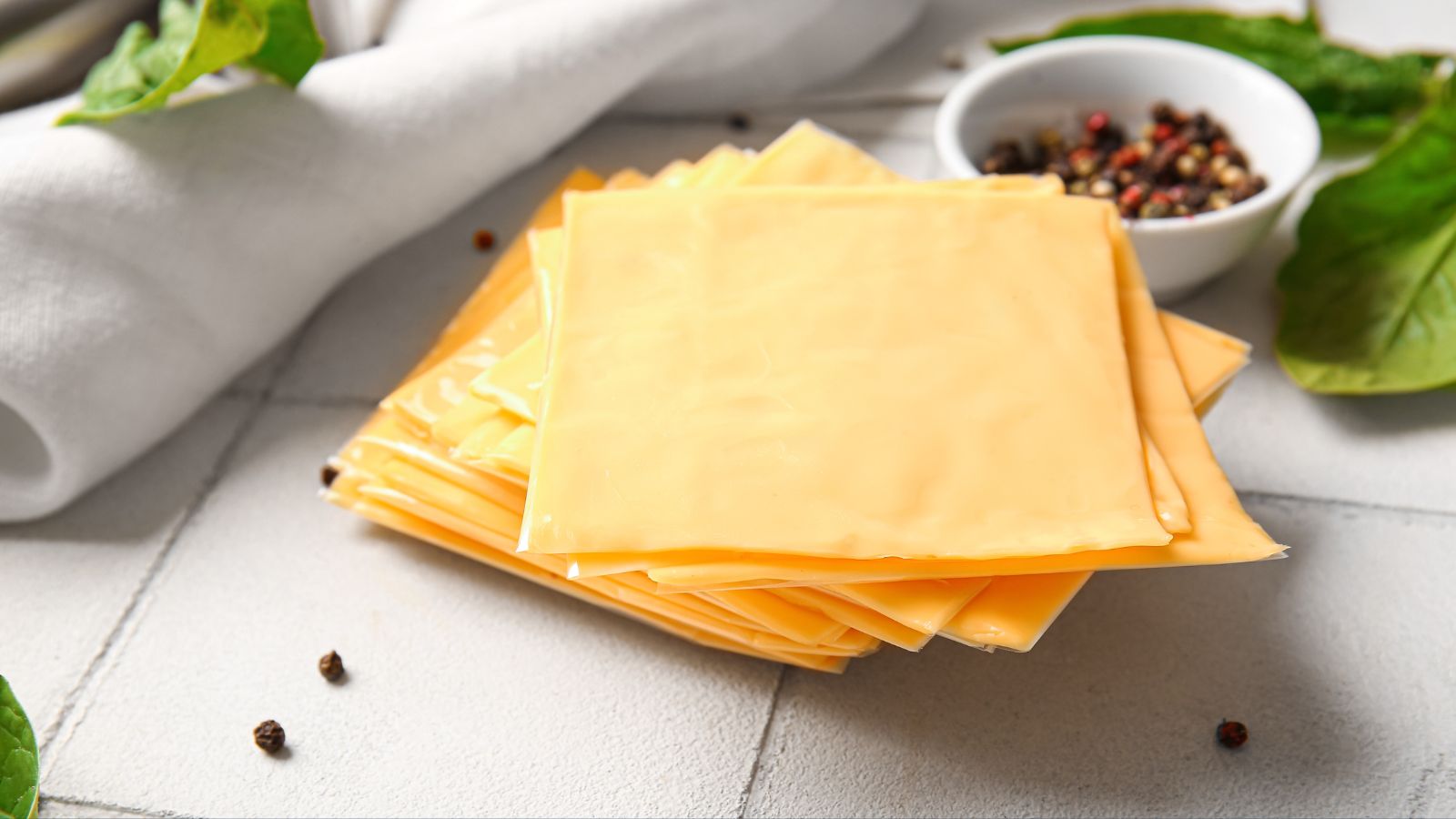
Cheese has become one of those grocery items that can quietly push a bill higher. Blocks, shredded bags, slices, specialty cheeses, and snack-sized portions all add up quickly. A household buying cheese for lunches, pasta, omelettes, tacos, sandwiches, and snacks may find that one package disappears faster than expected.
The value problem is especially noticeable with smaller package sizes and pre-shredded formats, which often cost more for convenience. Many shoppers compare unit prices, buy larger blocks, or grate cheese at home to stretch the budget. Cheese still has strong appeal because it adds flavour and protein, but it increasingly feels like something to manage carefully rather than toss casually into the cart.
Milk
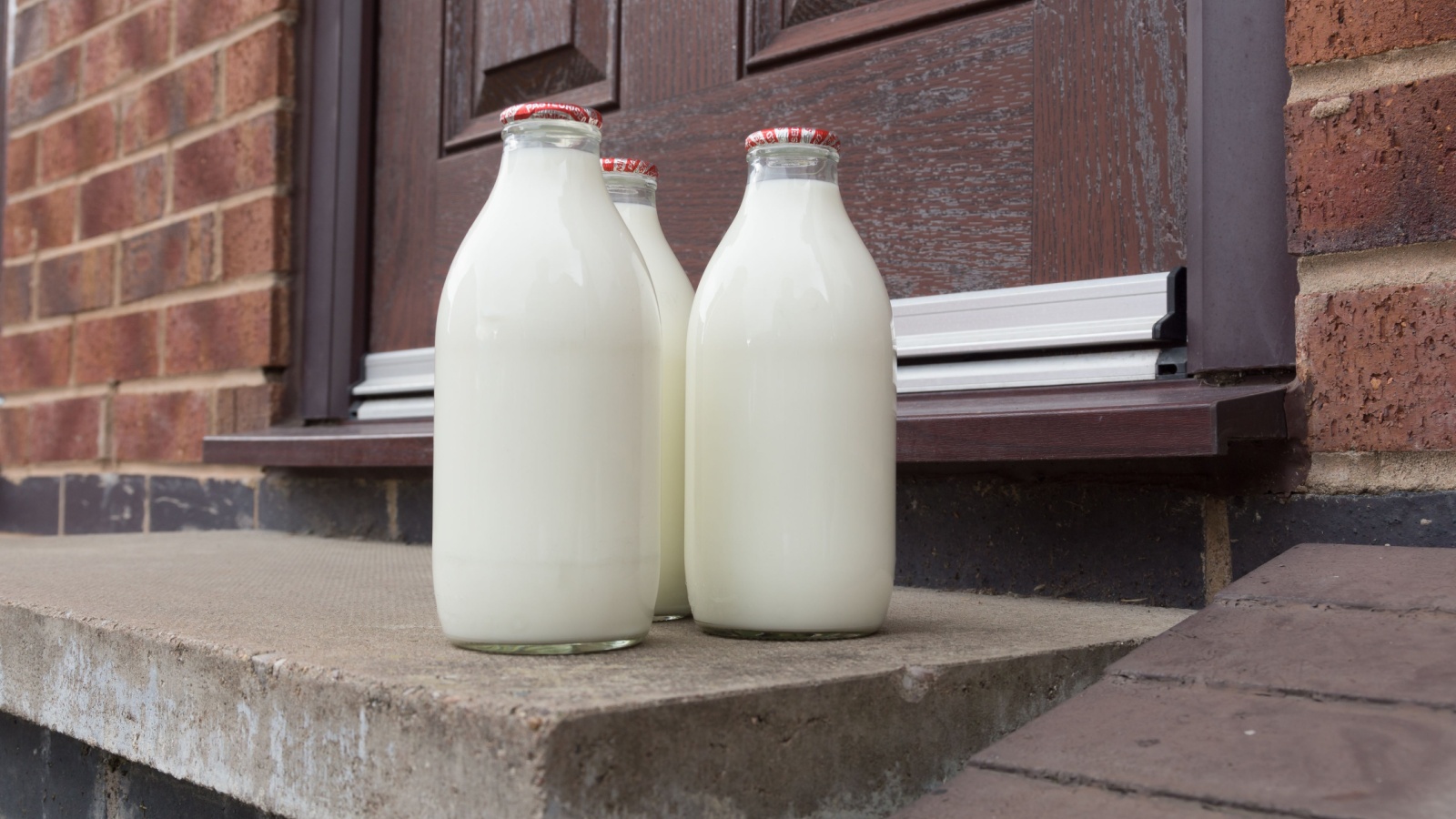
Milk remains a household staple for cereal, coffee, baking, smoothies, and children’s meals, but it no longer feels invisible on the receipt. For families that go through multiple litres a week, even small price increases become meaningful over a month. The cost is harder to avoid because milk is not always an optional treat; for many homes, it is part of daily routine.
Some shoppers compare dairy milk with plant-based drinks, powdered milk for baking, or larger formats when storage allows. Others simply reduce waste more aggressively, planning meals around expiry dates. The frustration is not that milk is the most expensive item in the store, but that another basic necessity now requires more budgeting attention than it used to.
Bread
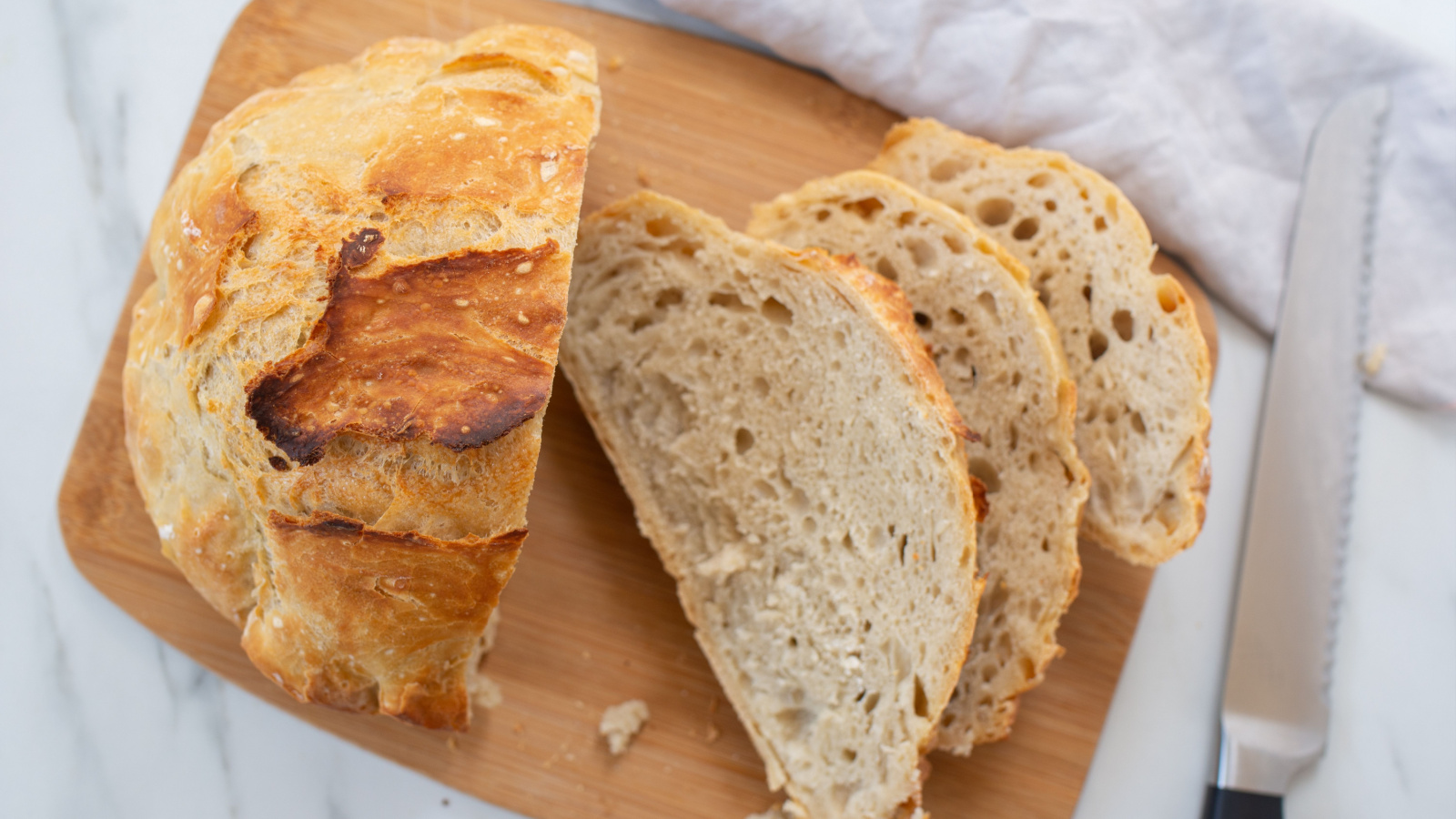
Bread is a classic staple, yet many Canadians now pause at prices for packaged loaves, bakery bread, bagels, English muffins, and wraps. The sticker shock is stronger when a loaf feels smaller, goes stale quickly, or disappears after a few lunches and breakfasts. For households packing school or work meals, bread costs can add up faster than expected.
Some shoppers have responded by buying store brands, freezing extra loaves, baking at home, or switching between bread, rice, oats, and potatoes depending on sales. Bread still anchors many low-effort meals, but it has lost some of its old reputation as the cheapest way to fill a plate. When even toast feels pricier, shoppers notice.
Breakfast Cereal
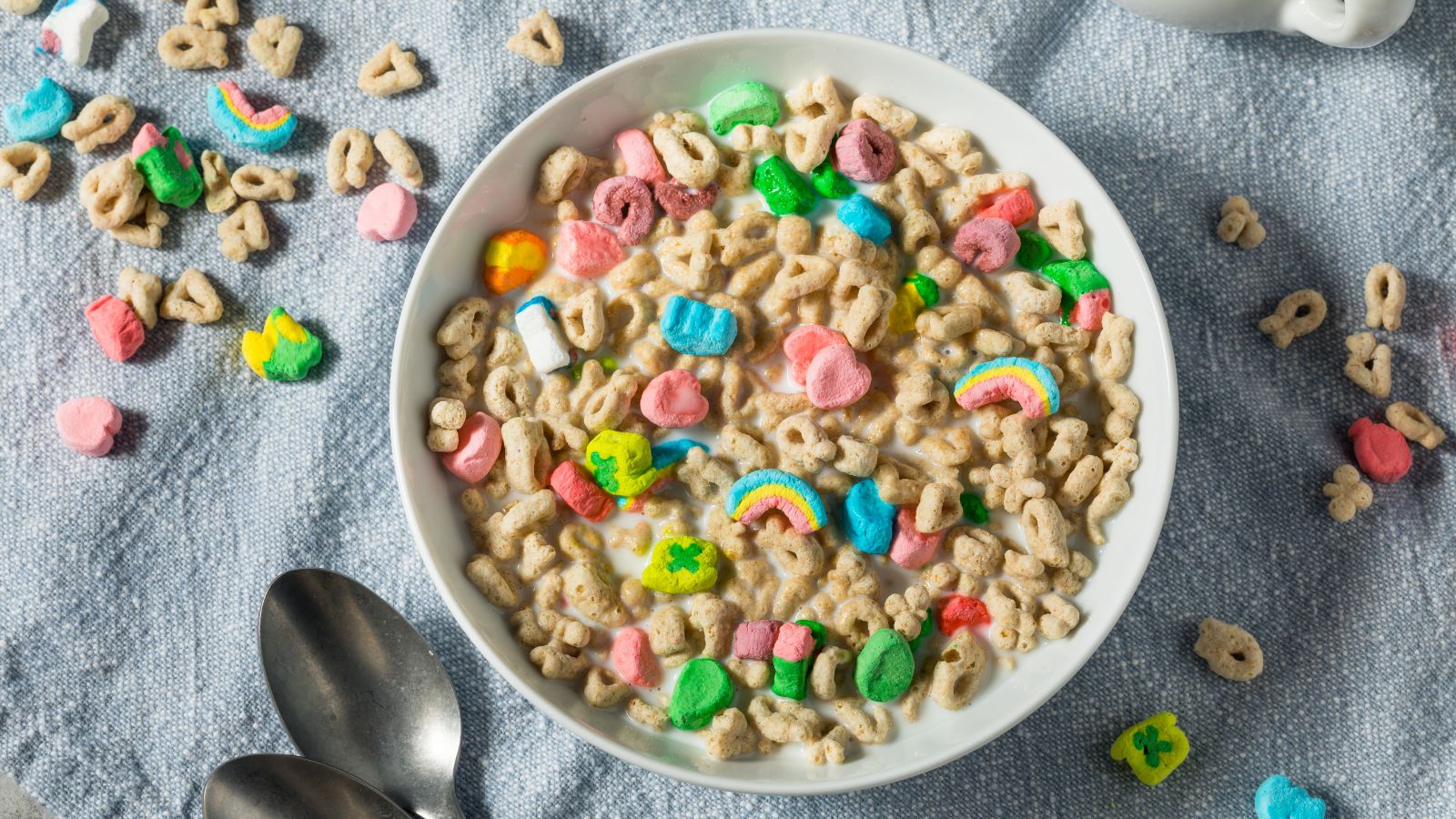
Breakfast cereal has become a frequent target of grocery frustration because it can feel expensive for what it delivers. Many boxes are light, portions are small, and a family can finish one quickly. When paired with milk, the total cost of a simple breakfast can feel surprisingly high compared with oatmeal, eggs, yogurt, or homemade muffins.
The perception problem worsens when cereal is marketed as a convenience food but does not keep people full for long. Parents may still buy it for busy mornings, but more households are watching for sales or moving to bulk oats and granola alternatives. Cereal remains familiar and easy, yet its value feels weaker when the box is gone after only a few breakfasts.
Coffee
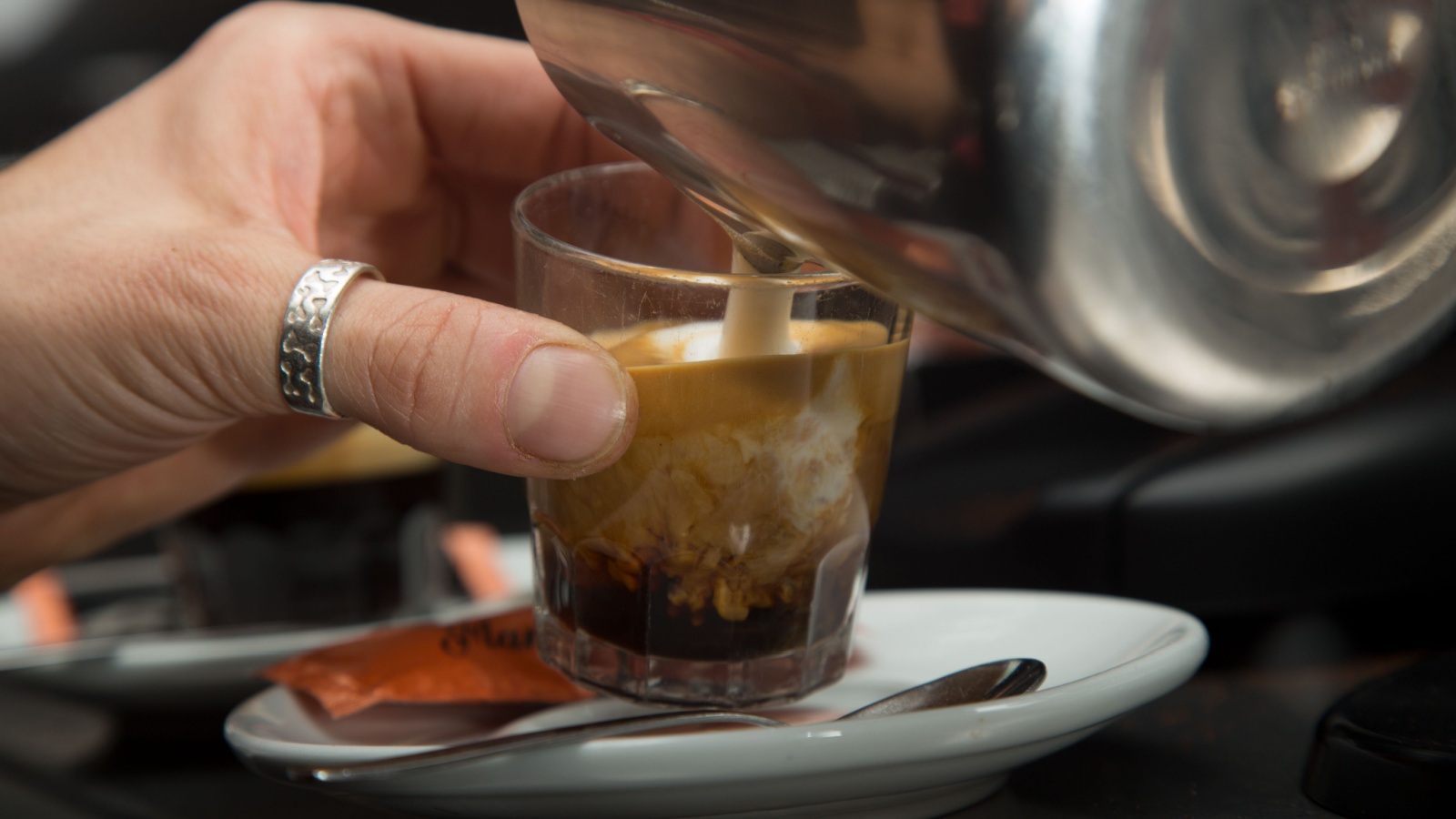
Coffee has become one of the most noticeable grocery splurges for Canadians who brew at home. Bags of beans, ground coffee, pods, and instant formats have all faced pressure from global supply issues, weather problems in producing regions, and import-related costs. For households with two or more daily coffee drinkers, the increase is hard to miss.
Many shoppers still justify home coffee as cheaper than café drinks, but the margin feels thinner than before. Some switch brands, blend premium beans with cheaper options, buy larger bags, or reduce single-serve pods. Coffee carries a daily ritual value, which makes the price more emotionally sensitive. It is not just caffeine; it is one of the small routines people hate seeing become expensive.
Orange Juice

Orange juice has become a tougher purchase to defend, especially when cartons feel expensive and disappear quickly. For many households, it is now closer to a treat than a breakfast default. The value question becomes sharper because juice lacks the filling quality of whole fruit, and families may drain a carton in a day or two.
Supply problems have added pressure, including citrus disease and weather challenges in major growing regions. Canadian shoppers also feel the effect of import dependence, since oranges and juice are heavily tied to conditions outside the country. As prices rise, many households choose whole oranges, frozen concentrate, water, or coffee instead. Orange juice still feels nostalgic, but nostalgia does not always survive the checkout total.
Fresh Berries
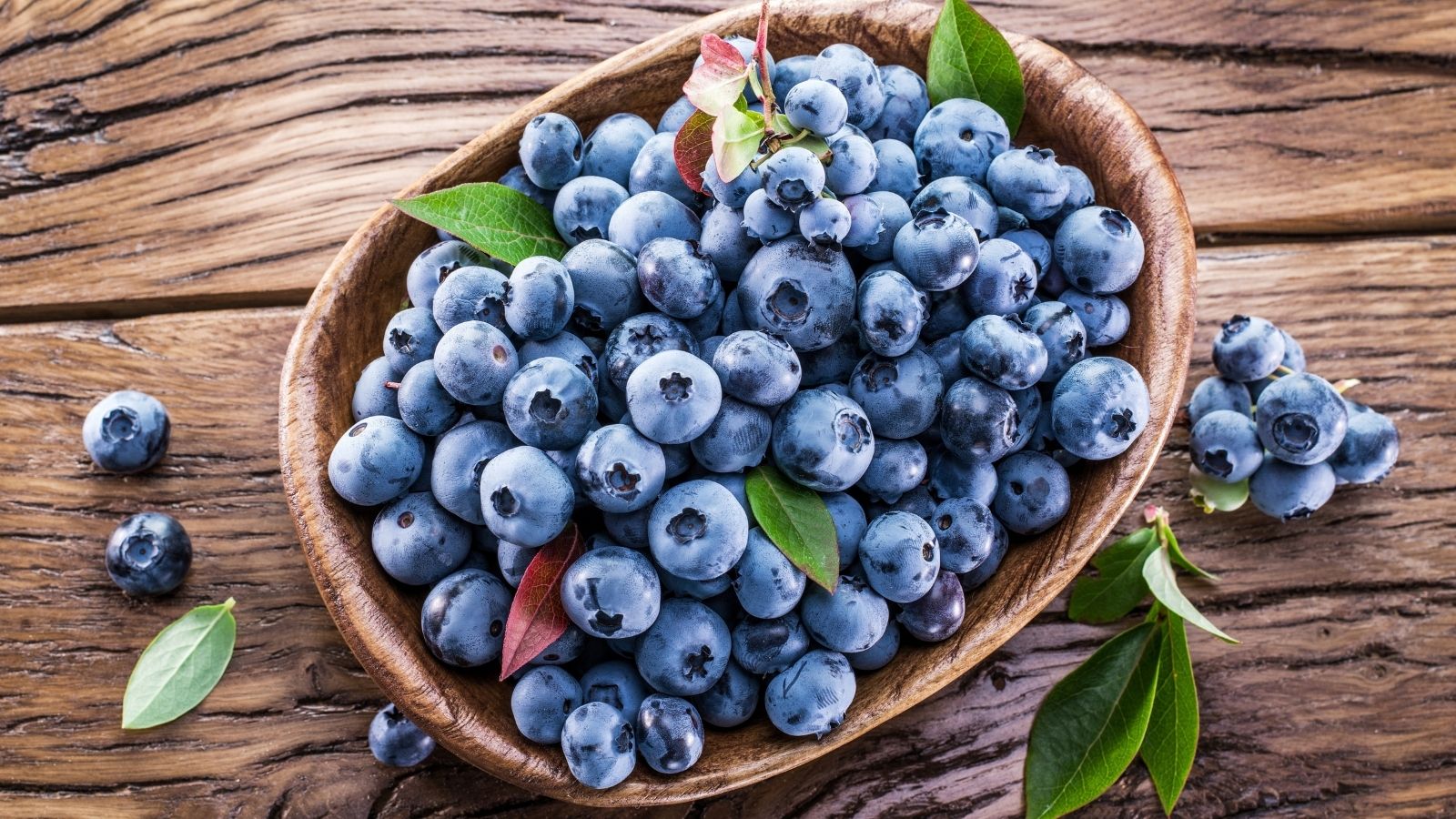
Fresh berries are beloved for lunches, smoothies, yogurt bowls, and children’s snacks, but they often feel like one of the riskiest produce purchases. Strawberries, blueberries, raspberries, and blackberries can be expensive, delicate, and quick to spoil. A clamshell that looks perfect in the store may turn soft or mouldy within days, making the real cost feel even higher.
The frustration is partly about waste. When berries are eaten immediately, they can feel worth it; when half the package goes bad, they feel like money lost. Many Canadians now buy frozen berries for smoothies and baking, saving fresh berries for sales or peak-season weeks. The item remains popular, but shoppers are more cautious about paying premium prices for fragile produce.
Salad Kits
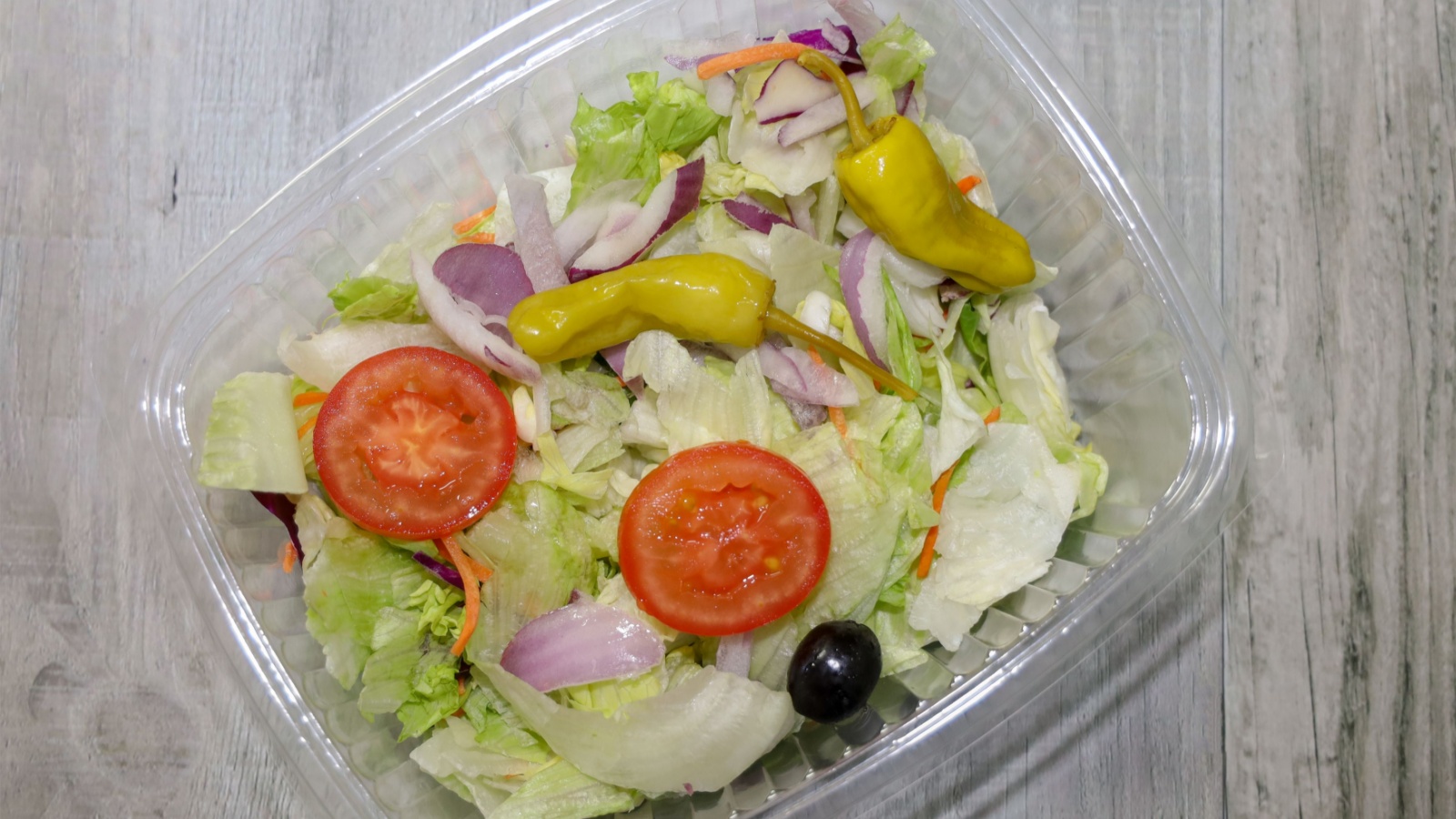
Salad kits promise convenience: greens, toppings, dressing, and a ready-made meal base in one bag. That convenience has become harder to justify as prices rise and portions feel modest. For a household of more than one or two people, a single kit may function as a side dish rather than a meal, making the price feel steep.
There is also a freshness gamble. Bagged greens can wilt quickly, and shoppers often discover that the “use by” date does not guarantee crisp texture. Some Canadians now build salads from heads of lettuce, cabbage, carrots, and homemade dressing instead. Salad kits still work for rushed lunches, but they increasingly feel like paying extra for packaging, prep, and speed.
Cucumbers and Peppers

Cucumbers and peppers have become surprisingly expensive in many Canadian grocery trips, especially outside peak growing periods. They are common lunchbox and salad items, but prices can swing sharply depending on supply, weather, greenhouse costs, and import conditions. A few peppers or cucumbers can add several dollars to a cart without contributing much fullness.
The price frustration is amplified because these vegetables feel basic rather than luxurious. Shoppers may substitute carrots, cabbage, frozen vegetables, or sale-priced produce when fresh peppers and cucumbers look too high. They remain useful for colour, crunch, and nutrition, but their value depends heavily on season and store. When prices spike, they are among the first items many households reconsider.
Tomatoes
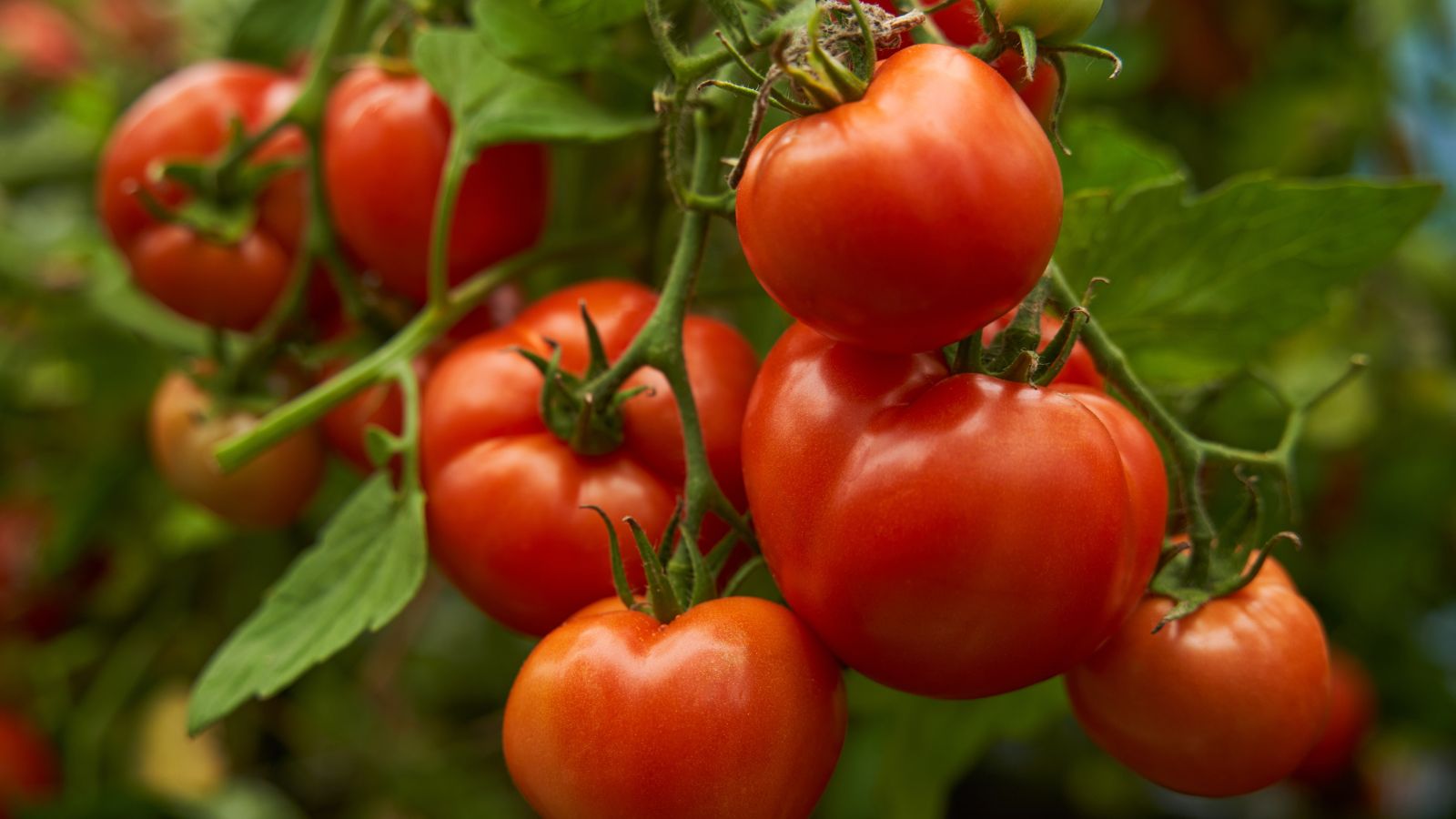
Tomatoes occupy an awkward place in the grocery budget. They are used in sandwiches, salads, pasta, tacos, and snacks, but fresh tomatoes can feel pricey for inconsistent quality. Shoppers often complain that expensive tomatoes may still taste bland, especially in colder months when imported or greenhouse-grown options dominate.
The value equation improves during local growing season, but outside that window many Canadians turn to canned tomatoes, tomato paste, or frozen sauces for cooking. Fresh tomatoes remain useful when flavour is strong, yet paying premium prices for watery or underripe fruit feels frustrating. The issue is not just cost; it is the mismatch between price and eating experience.
Olive Oil

Olive oil has shifted from a pantry staple to a product many shoppers treat with caution. Bottles can be expensive, and premium brands may feel out of reach for everyday cooking. The price increase is especially noticeable because olive oil is used gradually; shoppers remember when the same bottle cost far less.
Global harvest problems, drought, and pressure in Mediterranean producing regions have affected supply, making imported olive oil more expensive in many markets. Canadian households that once used it freely for roasting, dressings, pasta, and sautéing may now reserve it for finishing dishes and use canola or vegetable oil for high-volume cooking. Olive oil still has culinary value, but it no longer feels casual.
Chocolate and Candy

Chocolate and candy have become easier to skip as prices rise and package sizes feel less generous. A chocolate bar, multipack, baking chocolate, or bag of treats may not look costly compared with meat or dairy, but the value feels weak because these items are discretionary. When budgets tighten, sweets face tougher scrutiny.
Cocoa prices have been affected by weather and disease pressures in major growing regions, and those costs have shown up in confectionery prices. Shoppers may still buy treats for holidays, school events, or movie nights, but many wait for promotions. The emotional pull remains strong, yet the purchase feels less spontaneous when a small indulgence costs noticeably more.
Snack Chips

Snack chips are one of the clearest examples of an item many Canadians still enjoy but increasingly resent paying for. Bags often feel expensive, air-filled, and easy to finish in one sitting. A family gathering, lunchbox week, or movie night can make several bags disappear quickly, turning a casual snack into a surprisingly costly habit.
The problem is that chips are not filling in the way rice, oats, potatoes, or beans are. They offer crunch and comfort, but little budget efficiency. Some households switch to popcorn kernels, store brands, crackers, or homemade snacks. Name-brand chips still sell because habits are powerful, but many shoppers now wait for multi-buy deals rather than paying regular shelf prices.
Frozen Pizza
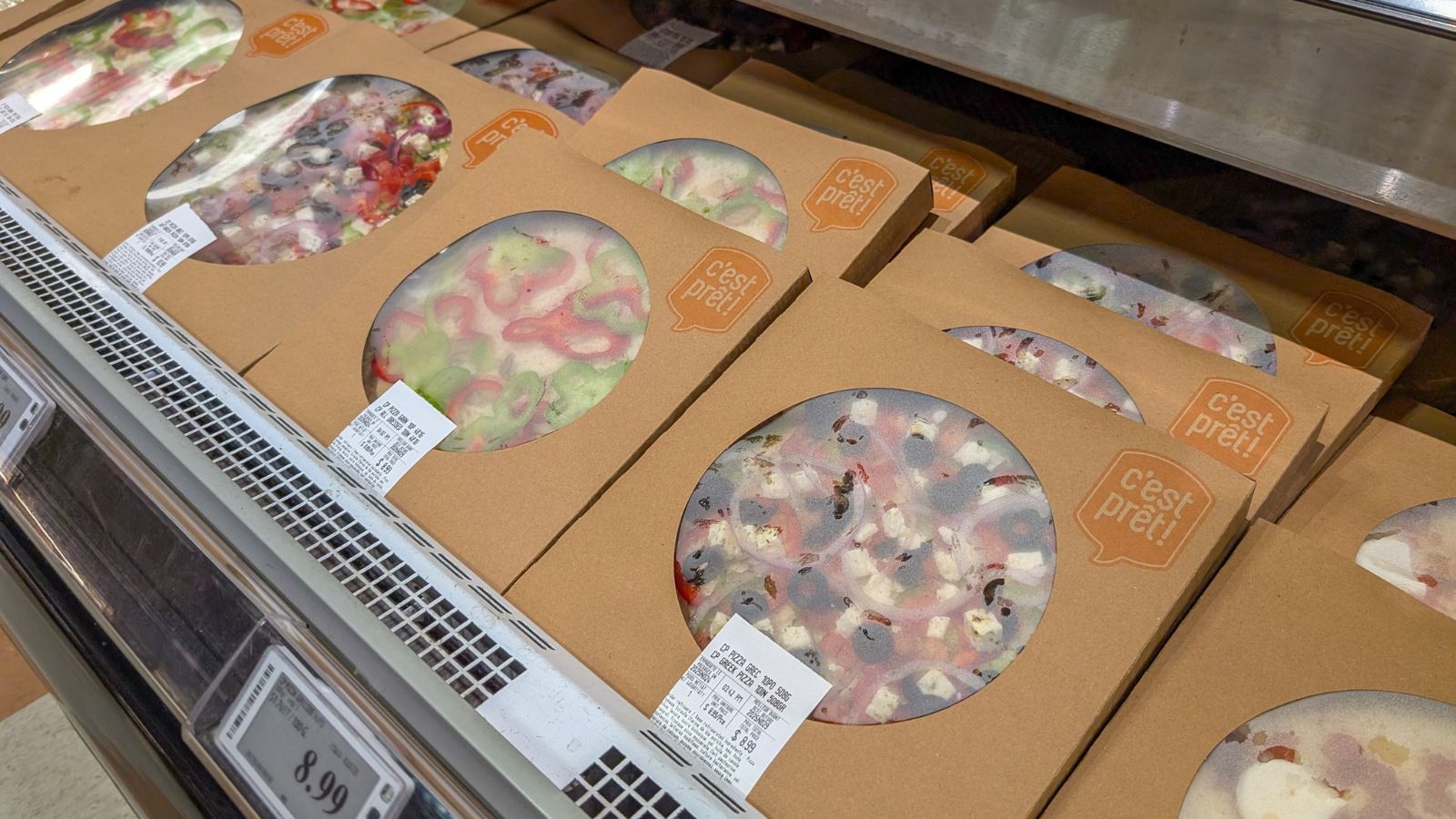
Frozen pizza once felt like the affordable backup plan for nights when cooking was too much. That value has weakened as prices have risen and some pizzas seem smaller or less generously topped. Feeding a family may require two or three boxes, at which point the meal can approach takeout pricing without the same sense of occasion.
Shoppers still appreciate frozen pizza for convenience, especially during busy weeks. But the price-per-serving calculation is less convincing when paired with salad, fruit, or extra protein to make it feel complete. Many Canadians now buy only on sale or choose flatbreads, homemade pizza dough, or leftovers instead. The freezer staple remains useful, but less of a bargain.
Seafood

Fresh and frozen seafood can feel difficult to justify when grocery budgets are under pressure. Salmon, shrimp, cod, scallops, and prepared seafood products often carry high prices, and portions can be small. Even shoppers who value seafood for nutrition may hesitate when one package barely covers a family dinner.
The price sensitivity is intensified by import costs, transportation, labour, and global supply pressures. Some households swap seafood for canned tuna, canned salmon, eggs, legumes, or chicken when costs climb. Others reserve fresh fish for occasional meals rather than weekly rotation. Seafood still has a place in Canadian diets, but for many households it now feels like a premium purchase.
Pre-Cut Fruit and Vegetables
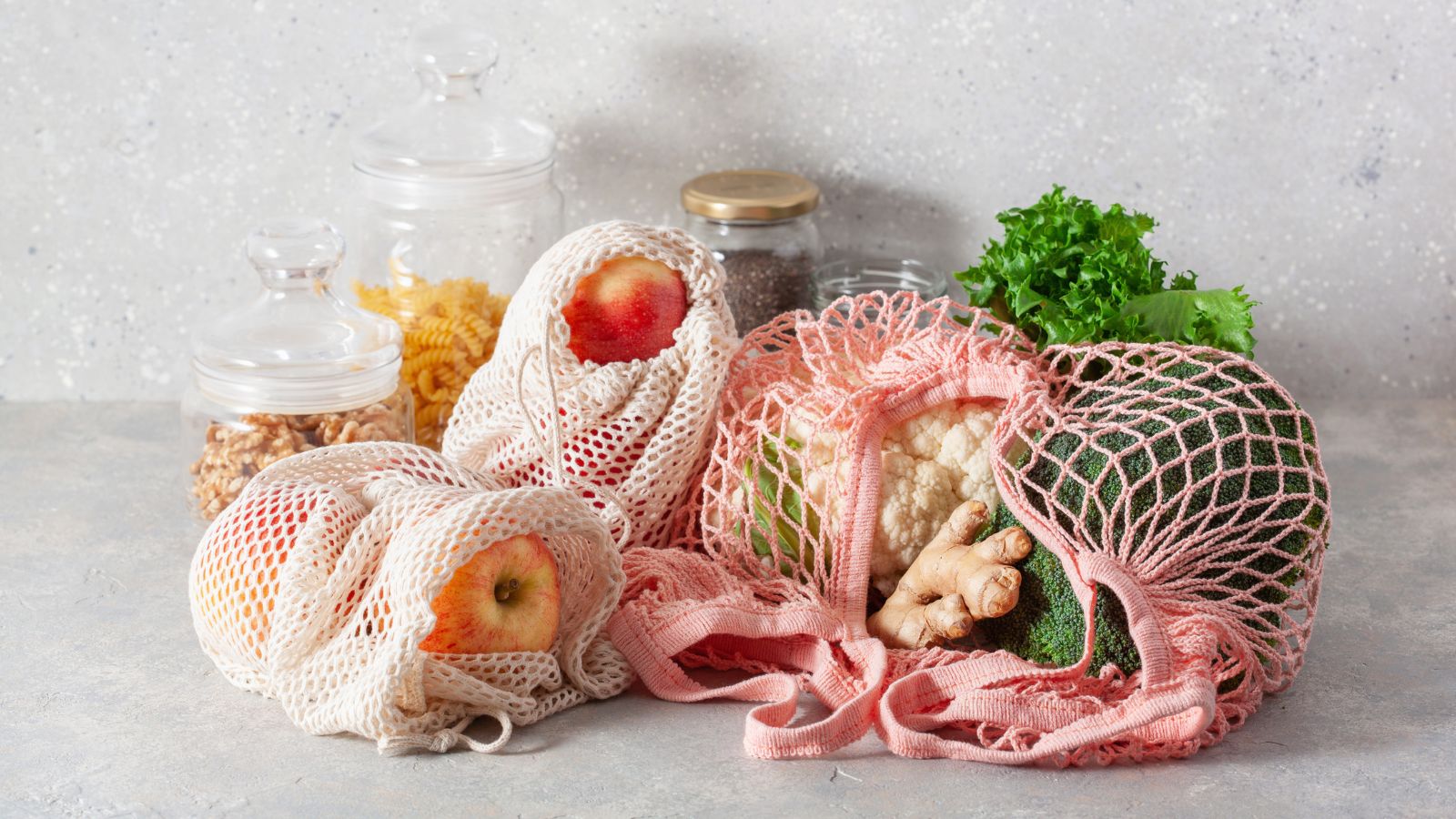
Pre-cut fruit and vegetables offer convenience, but the price premium has become more obvious. Containers of melon, pineapple, carrot sticks, stir-fry vegetables, or ready-to-roast trays can cost far more than whole produce. The appeal is real for busy households, people with mobility limits, or anyone trying to reduce prep time, but the markup is hard to ignore.
The value question becomes sharper when freshness varies. A container of pre-cut fruit can spoil faster than whole fruit, and cut vegetables may dry out or lose texture. Many shoppers now reserve these items for travel days, parties, or unusually busy weeks. For everyday use, whole produce often feels like the more defensible choice.
Rice and Pasta
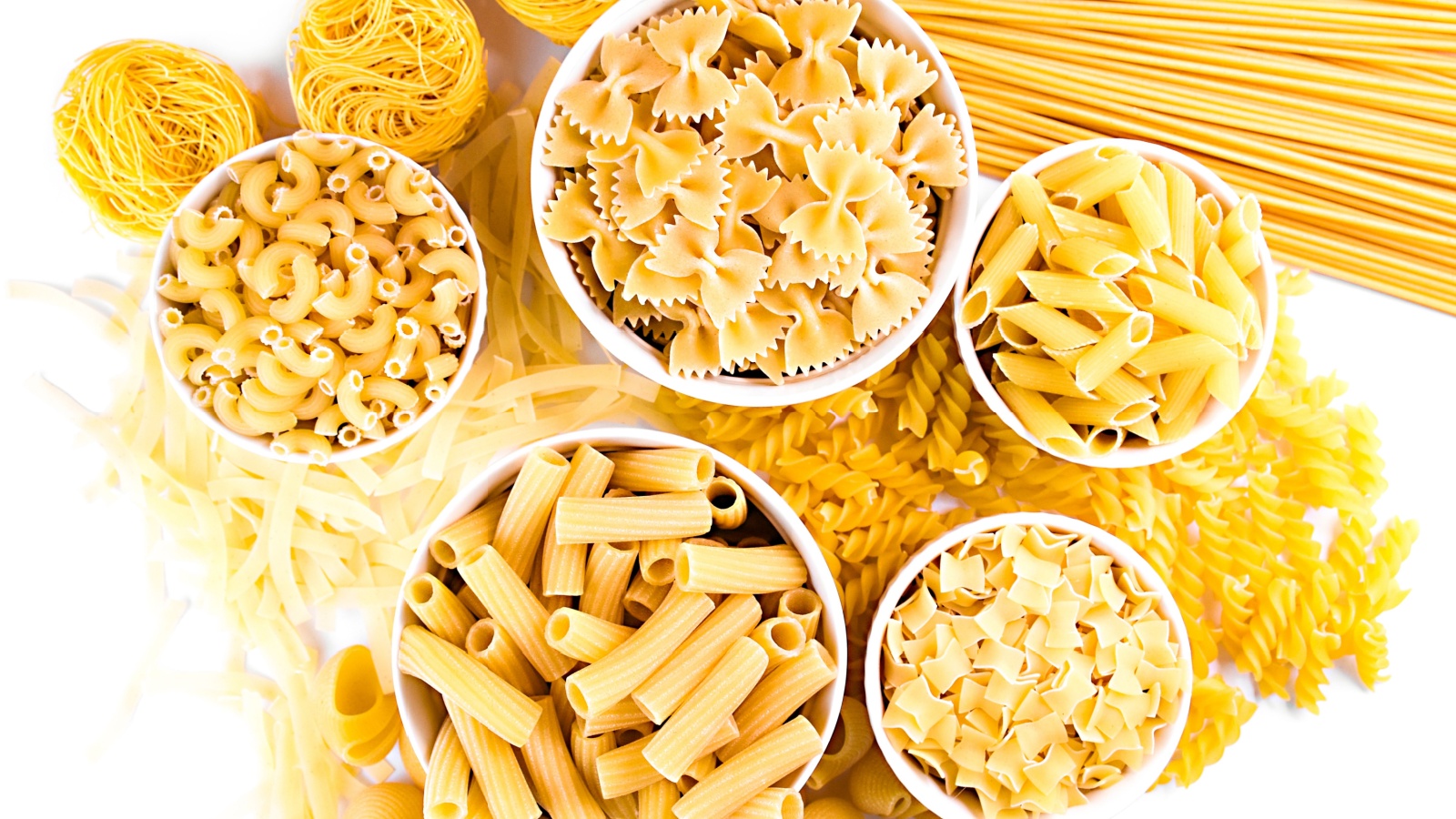
Rice and pasta still rank among the better-value staples, but even they no longer feel as cheap as they once did. A bag of rice, box of pasta, or specialty noodle can show noticeable increases, especially for imported brands, gluten-free versions, or premium shapes. Because these items anchor so many low-cost meals, any increase gets attention.
The frustration comes from losing confidence in the old budget formula. For years, shoppers could rely on pasta and rice to stretch meat, vegetables, sauces, and leftovers. They still do that job, but the baseline cost of pantry cooking has moved upward. Many Canadians now buy larger bags, watch flyers, and stock up during promotions. Even the budget aisle requires more strategy.
19 Things Canadians Don’t Realize the CRA Can See About Their Online Income

Earning money online feels simple and informal for many Canadians. Freelancing, selling products, and digital services often start as side projects. The problem appears at tax time. Many people underestimate how much information the CRA can access. Online platforms, banks, and payment processors create detailed records automatically. These records do not disappear once money hits an account. Small gaps in reporting add up quickly.
Here are 19 things Canadians don’t realize the CRA can see about their online income.
