
A flight can look affordable at first glance, then become far more complicated once passports, baggage rules, connection risks, entry permits, insurance, and airport procedures are added in. In 2026, Canadian travellers face a mix of familiar checks and newer requirements, especially for trips involving the United Kingdom, Europe, low-cost fare classes, or family travel. These 24 things deserve attention before booking a flight, because the cheapest itinerary is not always the most practical one once real travel conditions are considered.
Passport Validity Beyond the Return Date
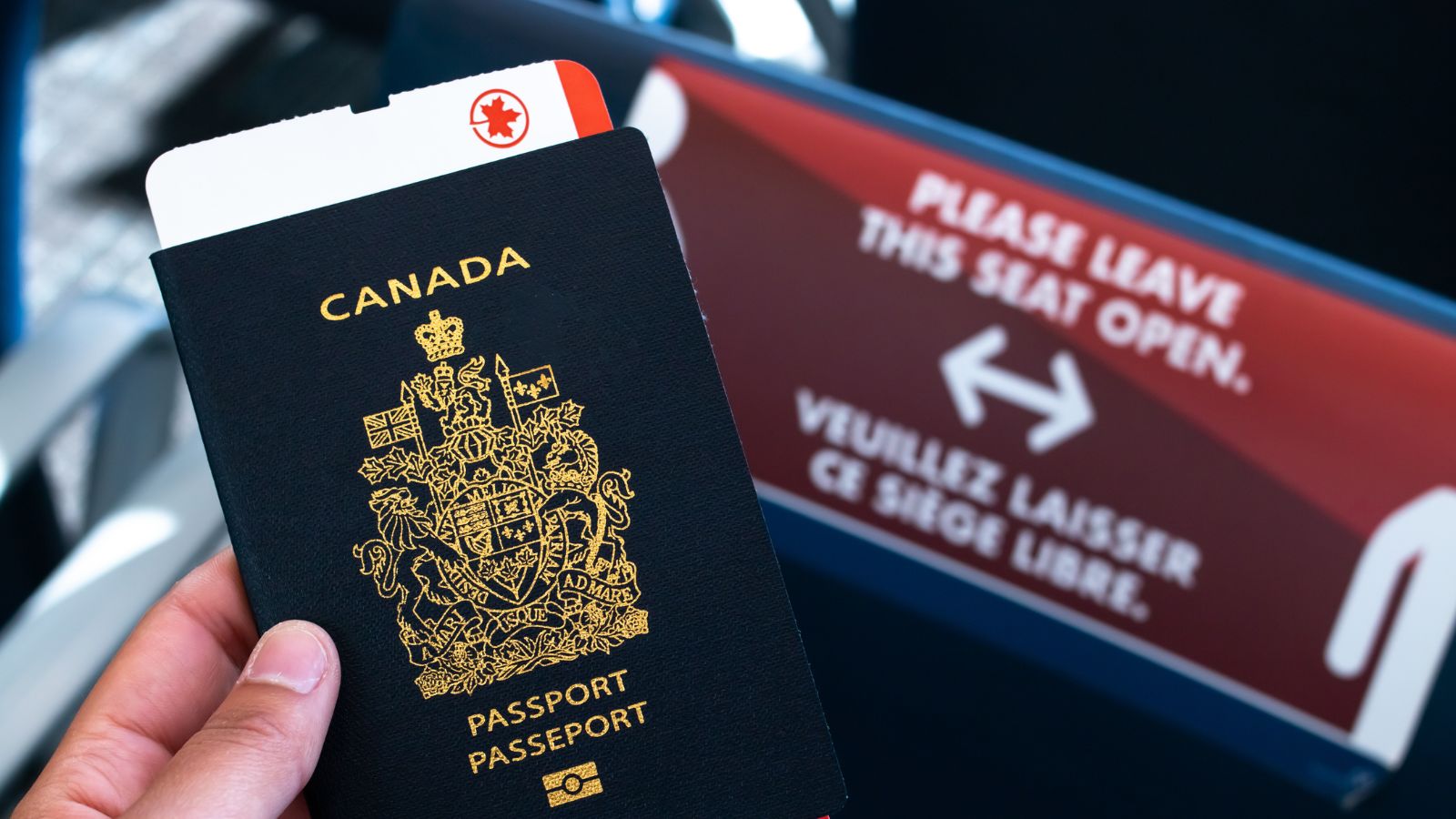
A Canadian passport may still be technically valid, yet not strong enough for every trip. Many destinations expect a passport to remain valid for months beyond the planned stay, and airlines can deny boarding when a traveller does not meet the destination’s entry rules. That makes the expiry date more than a formality; it can decide whether the trip starts at all.
This is especially important for families booking several seats at once. One parent may have a new passport, while a teenager’s document is close to expiry because child passports are issued differently from adult passports. Before paying for a 2026 flight, travellers should compare the passport expiry date with the destination’s entry requirements, the return date, and any transit-country rules.
Passport Processing Time Before Committing to Dates

Booking first and renewing later can be risky when travel dates are close. Passport Canada advises travellers not to finalize travel plans until they have their passport, because service standards apply under normal circumstances and do not include every possible delay. A sale fare can disappear quickly, but a missed passport deadline can cost far more.
This check matters most for peak travel periods, when families, students, and vacationers often renew documents at the same time. A traveller who notices an expiry problem six weeks before departure may still have options, but the trip becomes more stressful and potentially more expensive. Before booking, it is safer to confirm whether renewal, new application, child passport, or name-change paperwork is needed.
Exact Name Match on Tickets and Documents
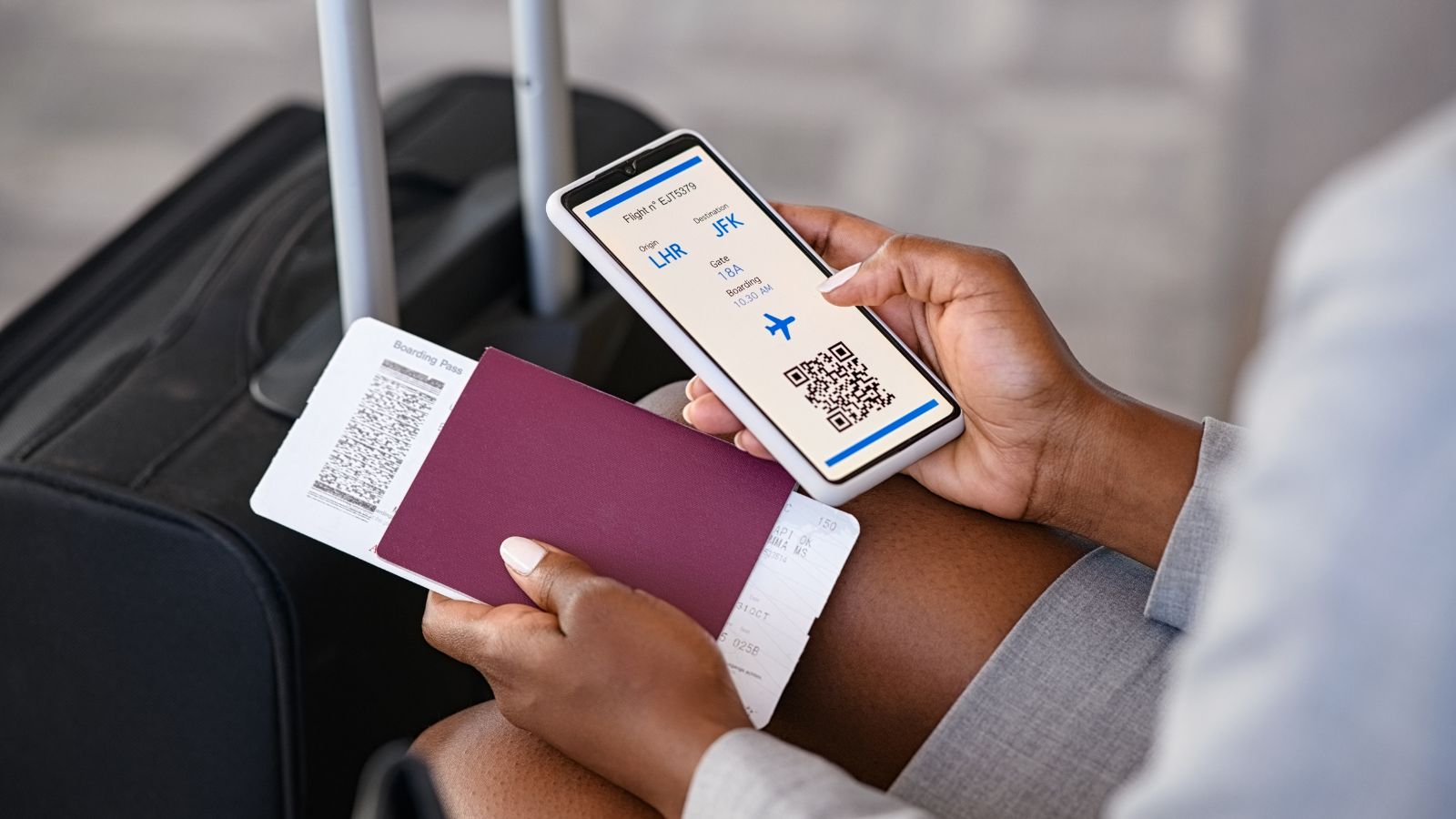
The name on a flight booking should match the travel document as closely as possible. A missing middle name may not always cause trouble, but a spelling difference, old surname, shortened name, or reversed order can trigger check-in problems. Airlines and border systems compare passenger information with identity documents, and corrections after ticketing can involve fees or fare repricing.
This is a common issue after marriage, divorce, adoption, or a recent legal name change. A traveller might still use an older passport while loyalty accounts, credit cards, and booking profiles show a newer name. Before paying, travellers should check saved profiles, autofill fields, and frequent-flyer accounts. A two-minute review can prevent a ticket from being issued under the wrong identity.
Destination Travel Advisories
Travel advisories are not only for extreme situations. They can flag regional unrest, entry restrictions, health concerns, natural disasters, terrorism risks, crime patterns, or sudden transportation disruptions. Canada’s travel advisories are updated by destination, and conditions can change quickly between booking and departure.
This matters because advisories can affect more than personal safety. Some travel insurance policies may limit coverage when a government advisory is already in place before departure. A traveller booking a bargain fare to a destination with a warning should read the advisory carefully, including regional maps and local conditions. The flight may still be possible, but the risk calculation changes.
Entry Permits, Visas, and Electronic Authorizations
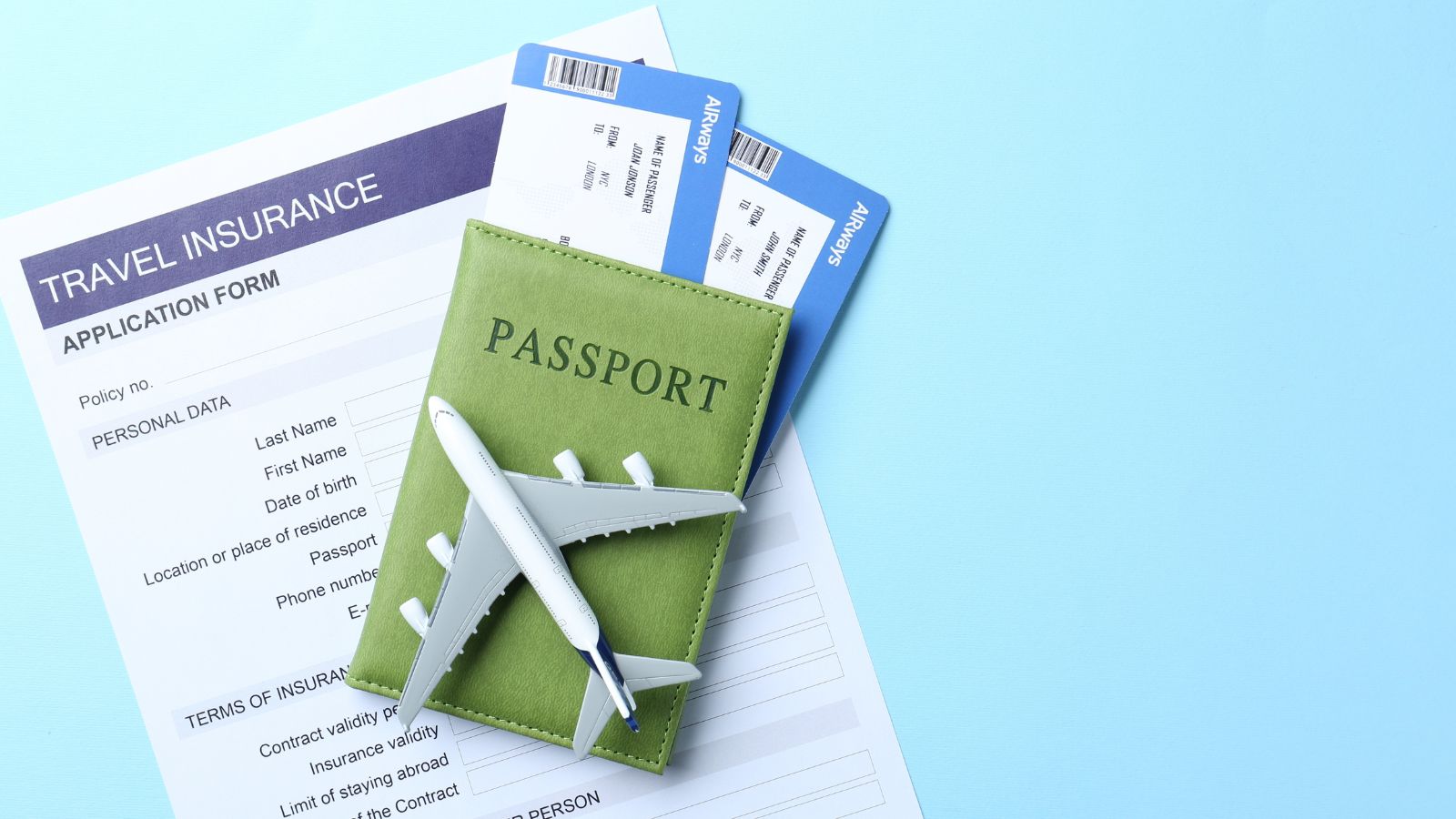
Canadian passport holders can enter many destinations without a traditional visa, but that does not mean every trip is paperwork-free. Some countries require electronic travel authorization before boarding, and others apply rules differently depending on the purpose of travel, length of stay, or transit route. The United Kingdom’s ETA is a clear 2026 example for many Canadian visitors.
This check is easy to overlook on short trips, especially weekend visits, stopovers, cruises, or tickets booked through third-party sites. A traveller may think of a country as “visa-free” and miss the separate requirement to apply online before travel. Before booking, travellers should verify whether the destination or transit country requires an ETA, eTA, visa, arrival form, or other digital authorization.
Europe’s EES Border System
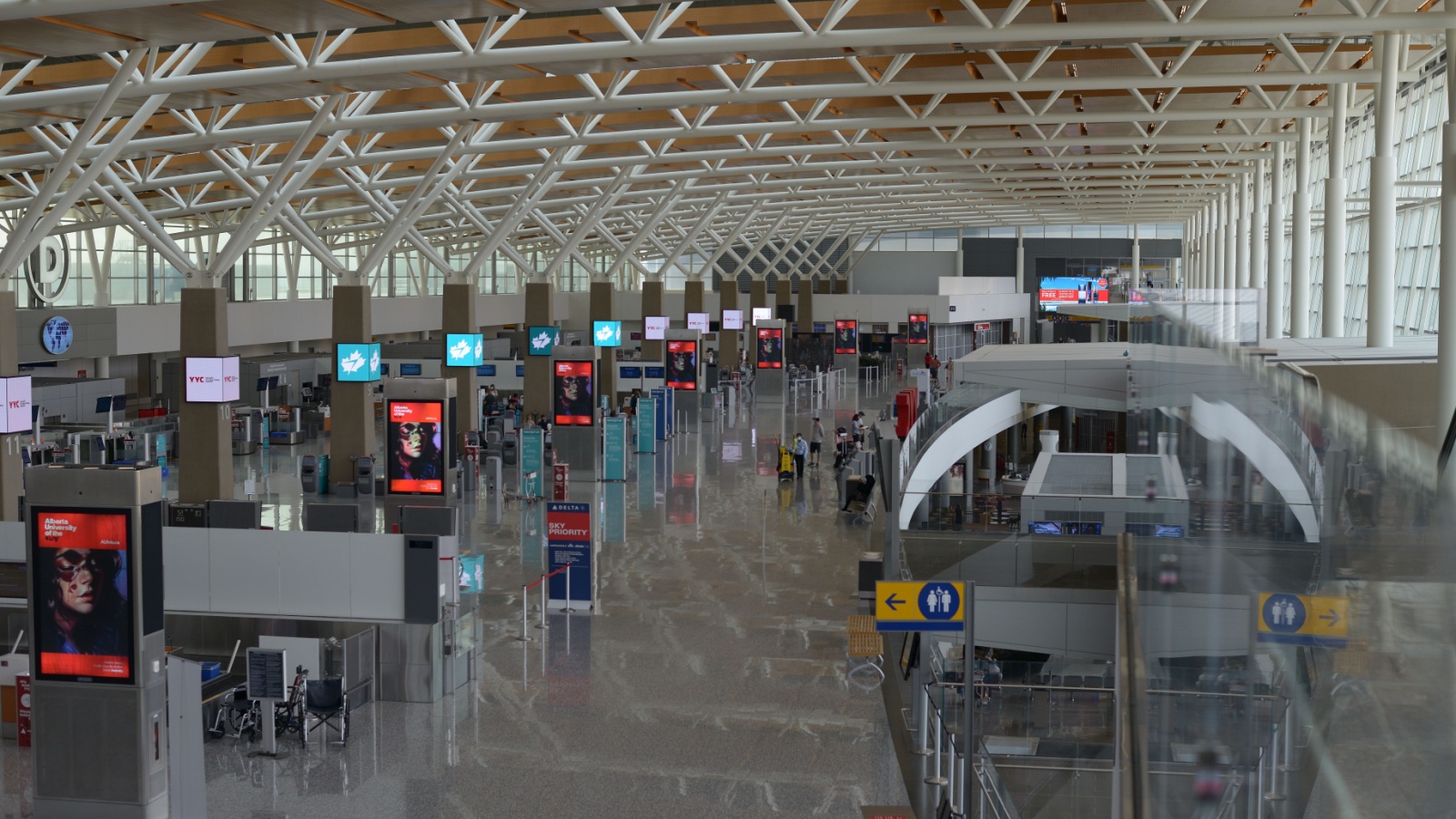
European travel has changed in 2026 because the Entry/Exit System is now fully operational across the Schengen area. Instead of relying on manual passport stamps, the system records entry and exit information digitally for many non-EU travellers, including short-stay visitors. First-time registration can involve facial images, fingerprints, and passport data.
This does not mean Canadians should avoid Europe, but it does mean connection planning deserves more care. Border processing may take longer during the first trip after the system’s rollout, especially at busy airports or during summer peaks. A tight connection between a transatlantic arrival and a short-haul European flight may look efficient on paper but leave little room for new border procedures.
ETIAS Timing for Late-2026 Europe Trips
ETIAS is separate from the Entry/Exit System, and that distinction matters. EES is the border registration system; ETIAS is the planned travel authorization for visa-exempt travellers entering many European countries. The European Union says ETIAS is expected to start operations in the last quarter of 2026, with the specific date to be announced.
For Canadians booking Europe travel later in 2026 or into early 2027, this creates a moving target. A flight bought months ahead may be for a travel date after ETIAS begins. Travellers should avoid unofficial websites claiming to sell ETIAS early, then recheck the official status before departure. The key is not panic, but timing: what is unnecessary at booking may become required by travel day.
United Kingdom ETA Rules

The United Kingdom’s Electronic Travel Authorisation has become an important booking check for Canadians. It applies to many visitors coming for tourism, family visits, business-related short stays, or transit-style travel depending on the itinerary. The UK government also warns that an ETA does not guarantee entry; it gives permission to travel.
This can matter for travellers using London as a cheap gateway to Europe. A flight with a UK stop may appear cheaper than a nonstop flight to the continent, but the administrative step still matters. Dual citizens also need special attention, because some travellers who are British or Irish citizens cannot apply for an ETA and may need to travel on the appropriate passport instead.
Basic Economy Carry-On Rules

The cheapest fare may not include the baggage experience travellers expect. Air Canada’s Economy Basic rules no longer include standard carry-on baggage for certain routes purchased after January 2025, while WestJet’s UltraBasic fare generally allows only a personal item except in specific cases. That can change the real cost of a flight.
This matters for travellers used to packing a roller bag and skipping the checked-bag carousel. A fare that looks $60 cheaper can become more expensive if a carry-on must be checked, a higher fare must be purchased, or a bag is discovered too late at the gate. Before booking, travellers should compare the fare family, not just the headline price.
Checked-Bag Fees and Route Differences

Checked-bag fees are not one flat national price. They can vary by airline, fare type, destination, booking date, payment timing, and whether the fee is paid online, at check-in, or at the airport. In 2026, Air Canada and WestJet both show meaningful differences between prepaid baggage and airport baggage charges on certain routes.
For families, this can turn a good fare into a mediocre one. Four travellers each checking one bag can add hundreds of dollars to a round trip, especially on routes where the first bag is no longer included. Before booking, travellers should price the complete trip with luggage included, then compare that total against a higher fare class that may include bags or better flexibility.
Oversize, Overweight, and Sports Equipment
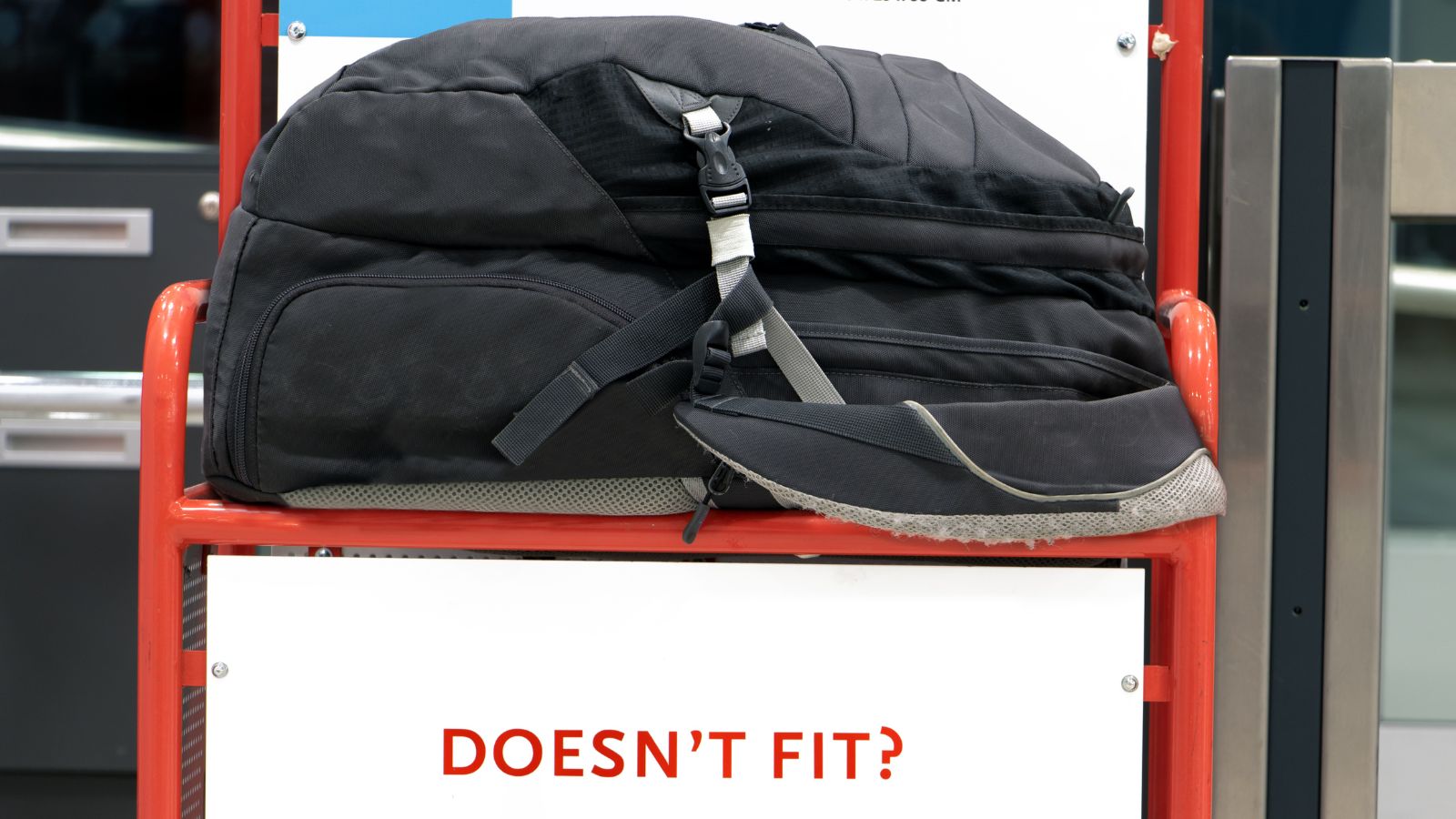
A standard checked bag is not the same as a hockey bag, stroller, bike case, golf bag, musical instrument, or oversized suitcase. Airlines publish size and weight limits, and bags over those limits can trigger additional fees or handling restrictions. WestJet, for example, lists checked-bag limits by total dimensions and weight, with oversize and overweight fees above the standard allowance.
This is a practical issue for Canadian travellers heading to ski trips, tournaments, destination weddings, or long family visits. A suitcase that seemed acceptable at home can become expensive at the airport scale. Before booking, travellers should check special-item rules and aircraft limits, because smaller aircraft or partner-operated flights may have less space than the main airline’s website suggests.
Seat Selection and Family Seating
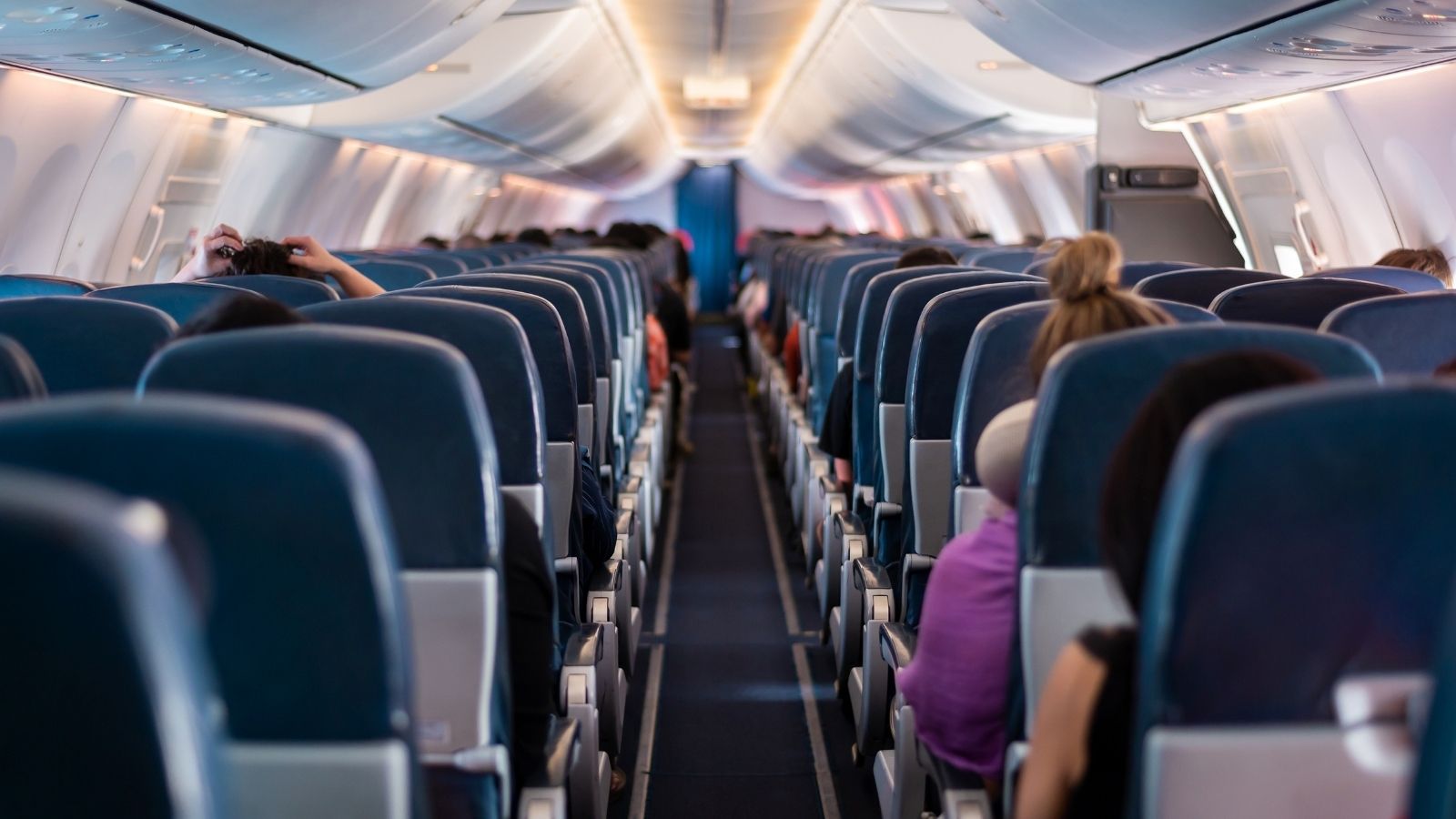
Seat selection can change the real cost of a trip, especially for families who want to sit together. Some basic fares restrict advance seat selection or charge extra for preferred locations. Even when airlines try to seat children near accompanying adults, relying on airport reassignment can create stress at the gate.
The issue becomes sharper on full flights, where few adjacent seats remain by check-in. A family of four may discover that the cheapest fare leaves them scattered unless they pay earlier. Before booking, travellers should open the seat map, price assigned seats both ways, and check whether the fare allows changes. A slightly higher fare may be worth it if it avoids a gate-side scramble.
Connection Time and Border Formalities

A legal connection is not always a comfortable connection. Booking systems may offer tight layovers that technically meet minimum connection rules, but those rules do not always reflect a traveller’s real situation. International arrivals can involve immigration, baggage recheck, terminal changes, security rescreening, or new digital border procedures.
This is especially important for trips involving the United States, the United Kingdom, or Schengen Europe. A traveller with mobility needs, children, checked bags, or a separate-ticket connection should be even more cautious. Before booking, travellers should check whether baggage is through-checked, whether terminals are connected airside, and whether missed-connection protection applies if the first flight is delayed.
Airline Passenger Rights

Canada’s Air Passenger Protection Regulations set out rights and obligations for delays, cancellations, denied boarding, and baggage problems. The rules distinguish between situations within the airline’s control, within the airline’s control but required for safety, and outside the airline’s control. That distinction affects what passengers may receive.
This is not something to study only after disruption happens. Before booking, travellers should know whether they are flying a large or small carrier, whether the itinerary includes separate airlines, and how the carrier handles rebooking. A cheap flight arriving late at night may leave few same-day alternatives if something goes wrong. Knowing the rules helps travellers judge risk before paying.
Refund and Change Conditions

A low fare can be restrictive in ways that matter months later. Some tickets may be non-refundable, allow only paid changes, exclude same-day changes, or return value as a credit rather than cash. Airline rules, passenger-rights regulations, and the reason for disruption all affect what happens when plans change.
This matters in 2026 because many travellers book earlier to secure better prices, then face schedule shifts, family changes, or work conflicts. Before purchasing, travellers should read the fare conditions line by line, not just the marketing label. The most important questions are simple: can the ticket be changed, what does it cost, who controls the booking, and how is a refund issued?
Booking Through Third-Party Sites
Third-party booking sites can be useful for comparing prices, but they can complicate service when something changes. A traveller may need to deal with the agency for voluntary changes, while the airline controls airport operations. During disruptions, this split can slow down communication and make fare rules harder to understand.
The risk is not that every third-party booking is bad. It is that travellers should know who owns the reservation after payment. If the itinerary involves multiple airlines, separate tickets, or unusually low fares, the savings should be weighed against support. Before booking, travellers should check the agency’s change fees, customer-service hours, and whether the airline can modify the ticket directly.
Travel Insurance Coverage
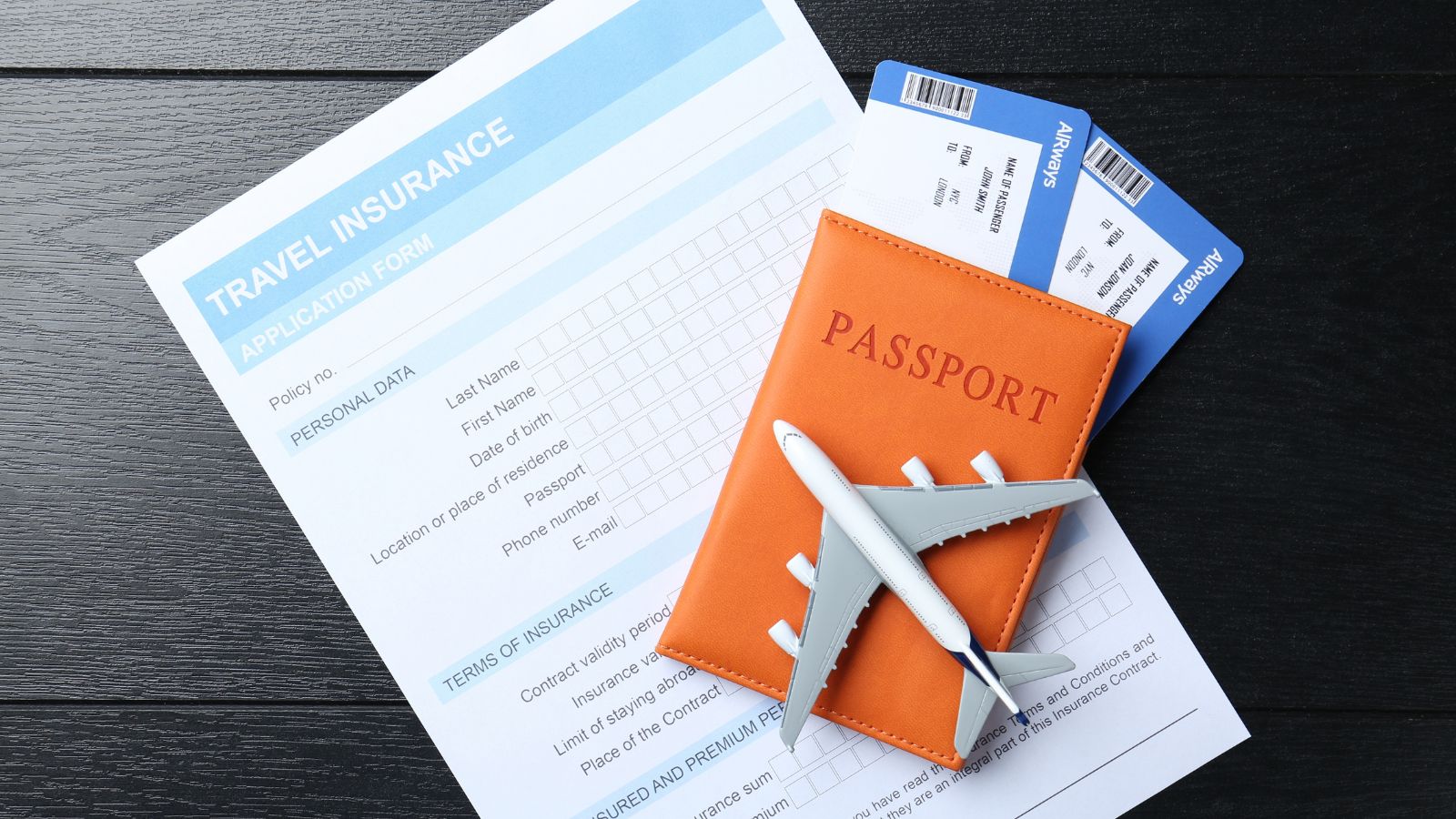
Travel insurance should be checked before the flight is booked, not after. The Government of Canada advises travellers to make sure travel health insurance includes medical evacuation, pre-existing condition coverage, and repatriation in case of death. These are not small details; medical evacuation can be one of the most expensive emergencies abroad.
The timing also matters. Cancellation or interruption coverage may depend on when the policy is bought, what risks were already known, and whether a government advisory existed before purchase. A traveller booking a 2026 flight during hurricane season, wildfire season, or political uncertainty should read exclusions closely. The right policy is not simply the cheapest add-on at checkout.
Vaccines, Medications, and Health Documents
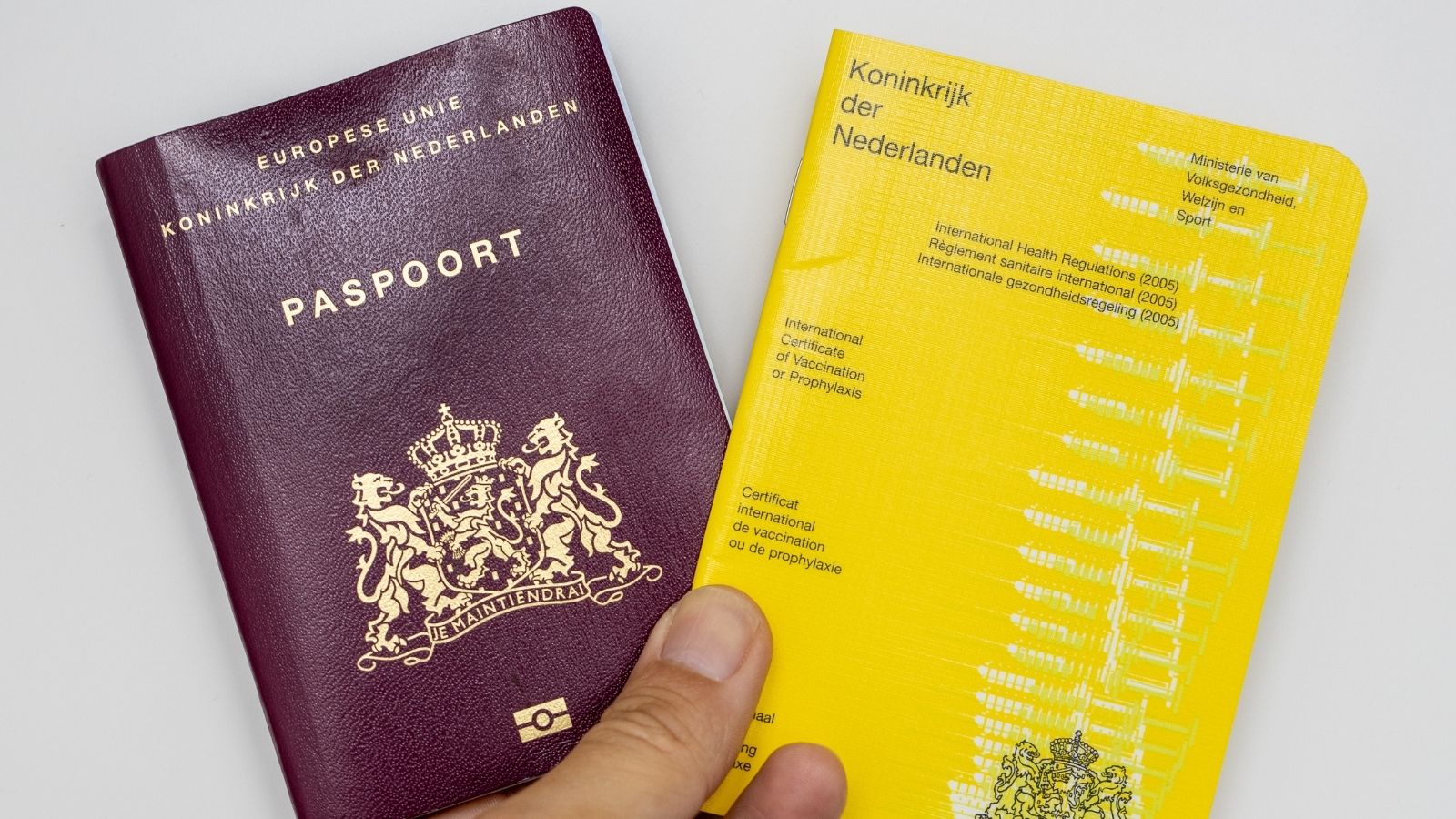
Some destinations require or recommend vaccines, and some requirements depend on where a traveller has recently been. Yellow fever documentation is one example: proof may be required if a traveller has passed through a region where yellow fever occurs. Canada also advises travellers to consult health information before departure and carry required certificates when applicable.
Medications deserve the same attention. A prescription that is routine in Canada may be restricted abroad, and liquid medication may need separate screening at the airport. Before booking a flight, travellers with health needs should check destination rules, refill timelines, travel clinic availability, and whether medication must stay in carry-on baggage. A bargain departure date is not useful if medical preparation cannot be completed in time.
CATSA Carry-On Screening Rules
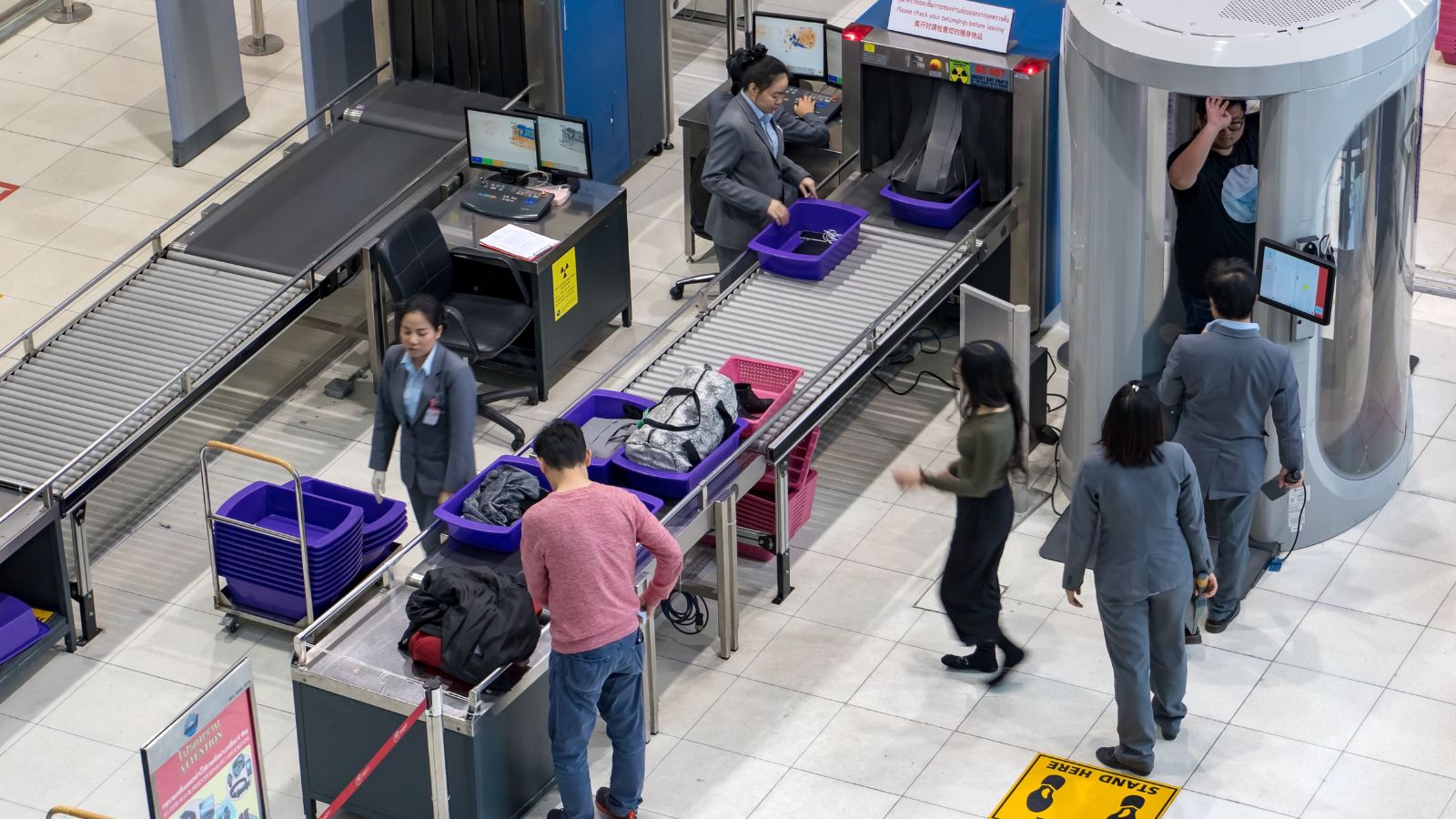
CATSA’s carry-on liquid rule remains one of the easiest ways to lose time at security. Liquids, aerosols, and gels generally need to be in containers of 100 millilitres or less and fit into a one-litre clear resealable bag. Full-size sunscreen, perfume, snow globes, or specialty food items can still surprise travellers at the checkpoint.
The rule matters before booking because baggage choices affect fare choices. A traveller buying a personal-item-only fare may not have room to move restricted items into checked baggage later. Families also need to think about baby items, medication, and electronics. Before choosing the lowest fare, travellers should ask whether the items they need can actually pass through screening in the baggage they are allowed to bring.
Prohibited and Restricted Items

Not every everyday item can fly in every bag. CATSA maintains a searchable “What can I bring?” list that distinguishes between permitted, non-permitted, and prohibited items for flights originating in Canada. Items such as tools, blades, sporting goods, batteries, aerosols, and powders can have different rules depending on size, use, and whether they are packed in carry-on or checked baggage.
This is especially relevant for travellers heading to camping trips, ski trips, fishing lodges, work assignments, or destination events. A tool or gift that seems harmless at home can become a security problem. Before booking a no-checked-bag fare, travellers should search the specific items they plan to pack, because the cheapest baggage setup may not fit the trip.
Airport Arrival Time and Screening Pressure

Airport time should be treated as part of the itinerary. CATSA advises travellers to arrive early, dress smart, pack light, and give themselves enough time for screening. Busy periods can also bring traffic, parking delays, airline check-in lines, bag-drop congestion, and longer walks through large terminals.
This matters when comparing early-morning or late-night flights. A 6 a.m. departure may require leaving home in the middle of the night, while a tight after-work flight may leave no buffer for road delays. Before booking, travellers should consider the full door-to-gate timeline, not just the flight duration. A slightly later departure can be more reliable when baggage, children, mobility needs, or international screening are involved.
Accessibility and Mobility Assistance

Travellers who need accessibility support should check airline procedures before booking. Airlines generally ask passengers to contact accessibility services in advance, and Air Canada notes that travellers should contact its accessibility team at least 48 hours before departure for assistance. Mobility devices, service needs, seating, and boarding support may all require coordination.
This is important because not every itinerary is equally practical. A short connection, small aircraft, remote stand, or multi-airline booking can create extra challenges. Before paying, travellers should verify aircraft type, connection time, battery rules for mobility devices, and whether assistance continues across partner airlines. The goal is not only compliance; it is a trip that works in real airport conditions.
Children’s Travel Consent Letters
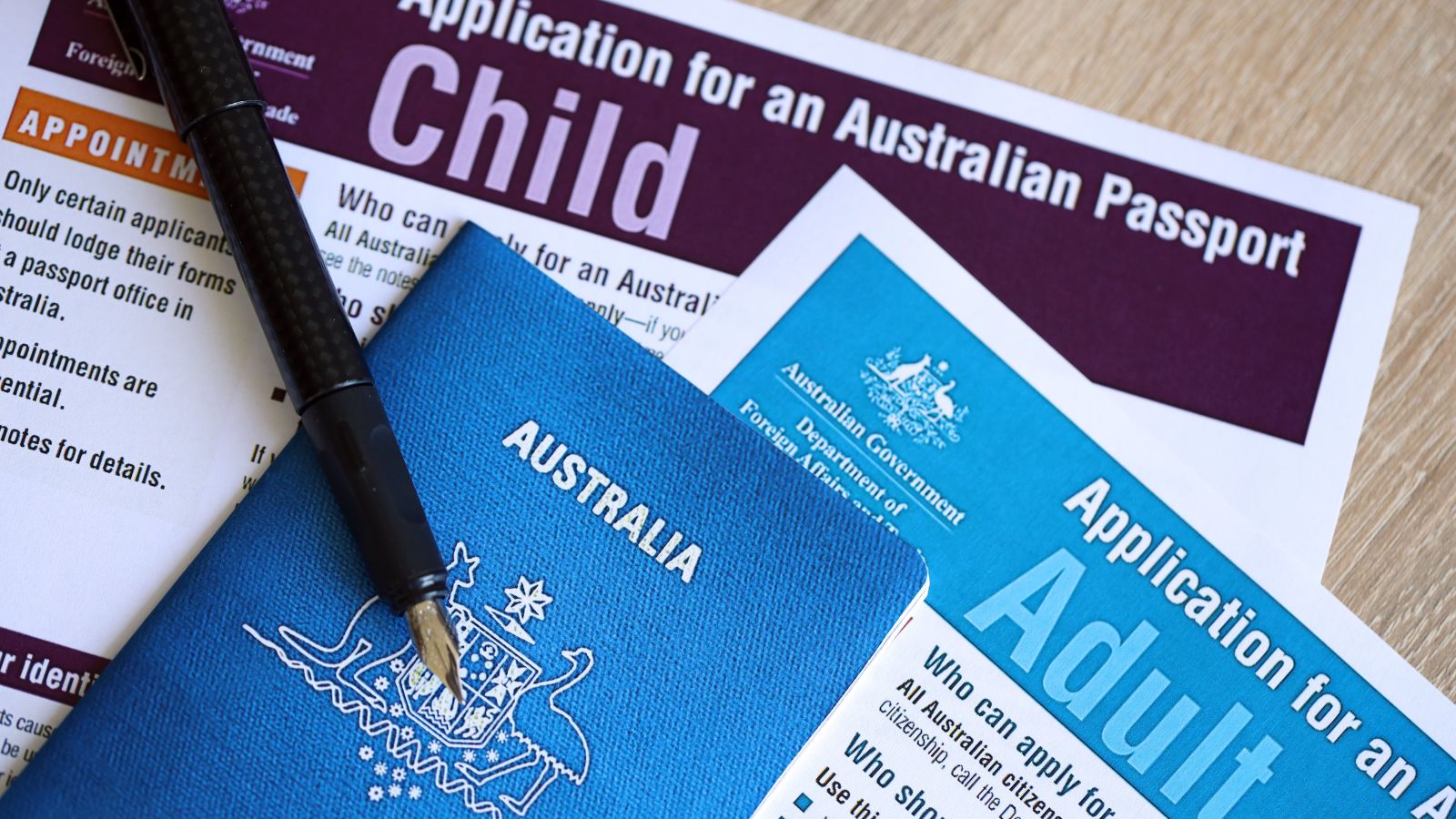
When a child travels outside Canada without one or both parents or legal guardians, the Government of Canada recommends carrying a signed consent letter. This can apply when a child travels with one parent, relatives, friends, a school group, a sports team, or another organization. Border officials may ask questions to prevent child abduction or custody disputes.
This check is easy to miss when booking family travel after a separation, shared-custody arrangement, or group trip. The flight may be fully paid, but missing paperwork can create delays at check-in or border control. Before booking, families should confirm passports, birth certificates, custody documents if relevant, and consent-letter details. It is much easier to collect signatures before travel week.
Travelling With Pets
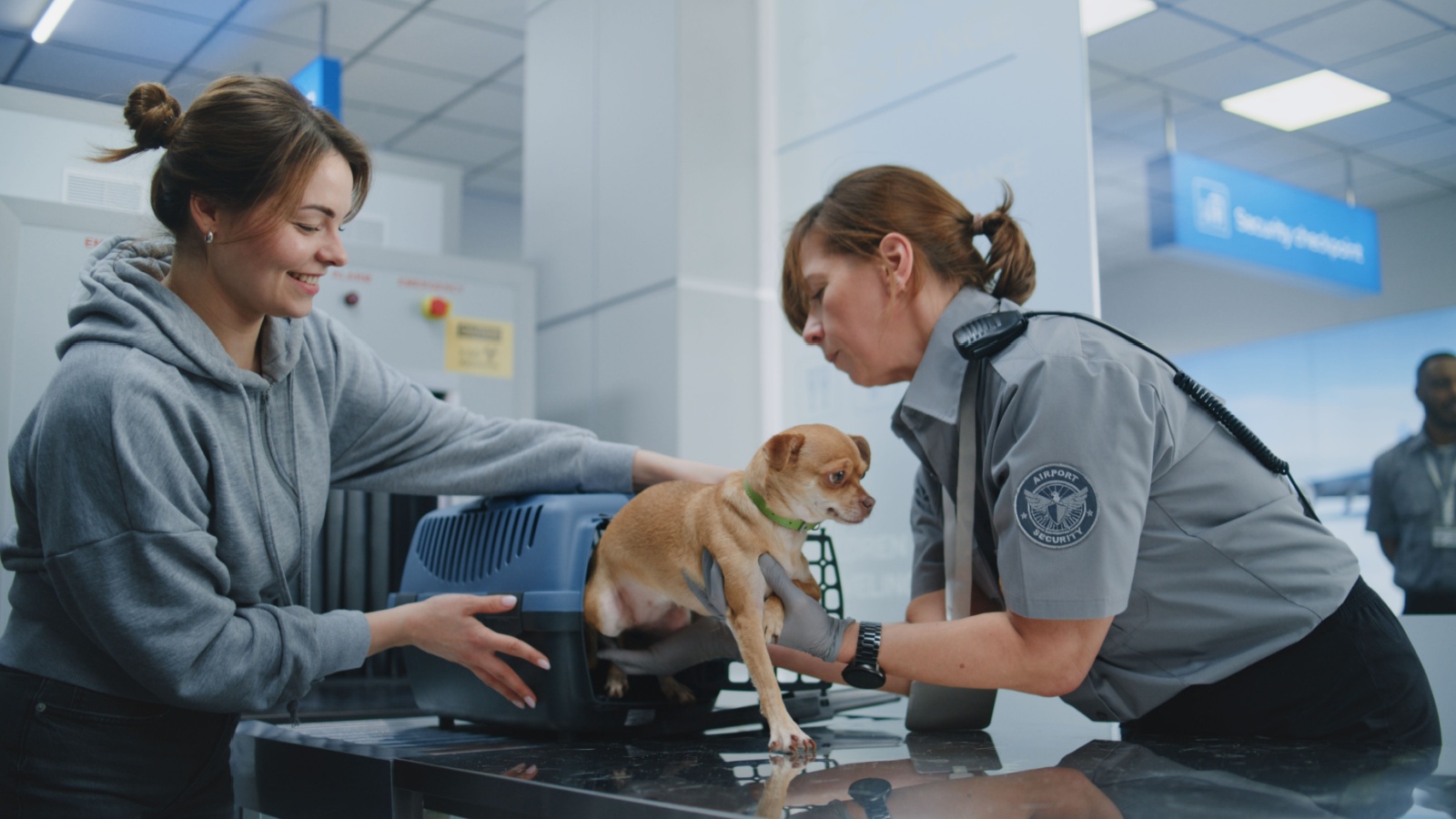
Pet travel is not just an airline add-on. The Canadian Food Inspection Agency states that pets must meet specific requirements when travelling to Canada or another country, and some steps must be completed at specific times. Many pets travelling from Canada to another country may need export documents completed by a veterinarian and endorsed by CFIA before departure.
Airlines also limit pet spaces, aircraft types, cabin eligibility, temperatures, kennel sizes, and check-in procedures. A traveller should not assume a pet can be added after buying a personal ticket. Before booking, pet owners should check the destination’s import rules, airline pet availability on the exact flight, veterinary appointment timing, and whether cargo or cabin travel is permitted.
Returning to Canada Customs Preparation
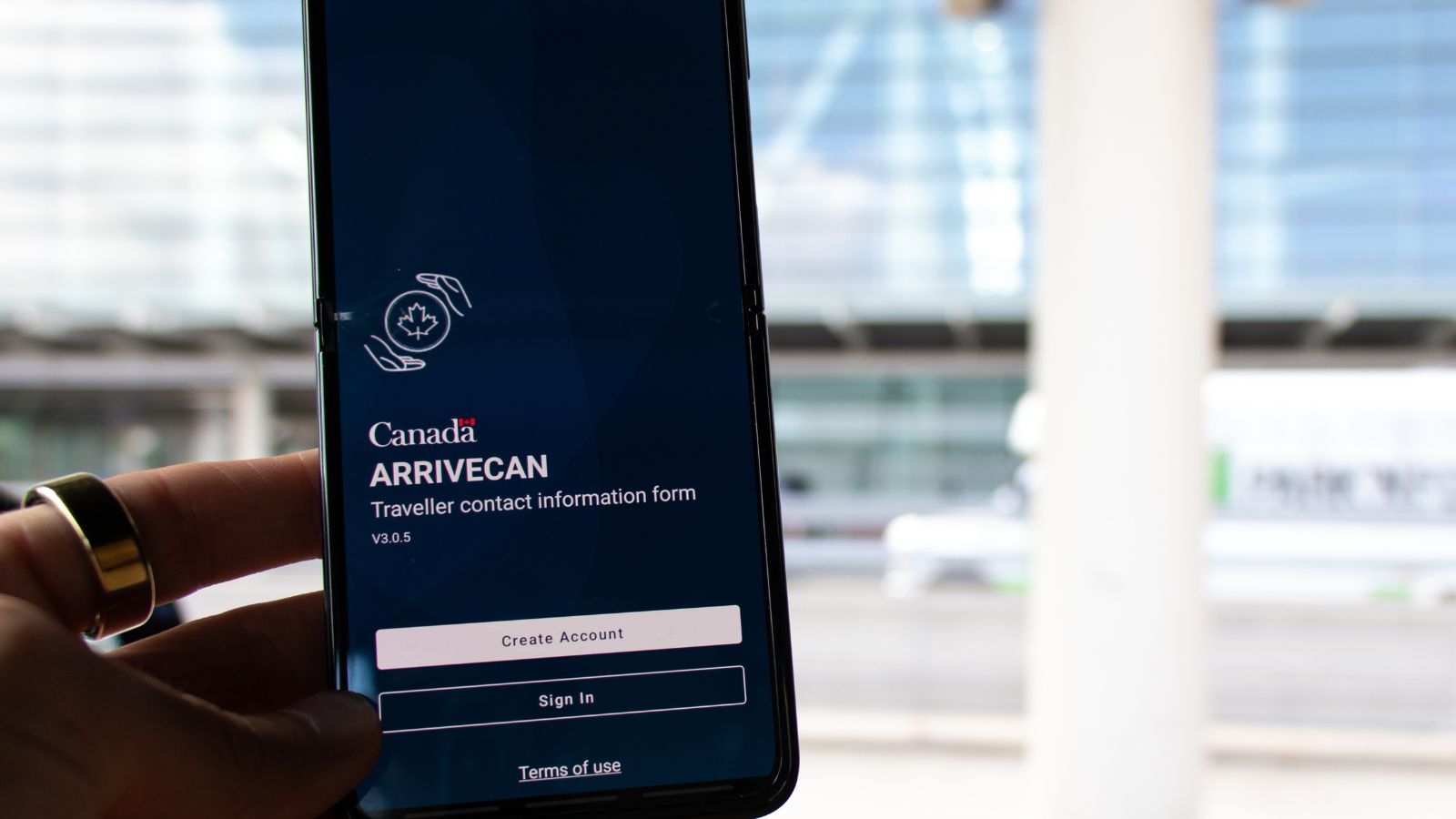
The return flight deserves planning too. Travellers arriving in Canada can use Advance Declaration in ArriveCAN at participating airports to submit customs and immigration information before arrival. CBSA says Advance Declaration can be completed before flying into Canada, helping travellers move through the border process more efficiently.
Customs planning also includes receipts, purchases, food, alcohol, tobacco, gifts, and goods being brought back for other people. A traveller who packs casually at the end of a trip may struggle to answer questions accurately at the kiosk. Before booking, travellers should consider whether their return airport supports Advance Declaration and whether their itinerary leaves enough time for customs if they connect onward within Canada.
Currency and Monetary Instruments
Travellers carrying large amounts of cash or monetary instruments must understand declaration rules. CBSA states that currency or monetary instruments valued at CAN$10,000 or more must be reported when entering or leaving Canada. It is not illegal to carry that amount, but failing to declare it can lead to seizure.
This matters for travellers booking flights for weddings, family support, business purchases, relocation, or long stays abroad. “Currency” can include more than paper cash, depending on the instrument involved. Before booking, travellers should plan how they will carry funds, whether a bank transfer is safer, and where declarations must be made at the airport. Money logistics should not be improvised at the security line.
Emergency Consular Support

Before booking, travellers should know how they would get help if conditions change abroad. Global Affairs Canada provides emergency consular assistance through Canadian offices abroad and a 24/7 Emergency Watch and Response Centre in Ottawa. This can matter during conflict, natural disasters, detention, lost passports, serious illness, or sudden airport shutdowns.
The check is not meant to make travel feel alarming. It is a practical step, especially for destinations with advisories, limited direct flights, or complex regional politics. Travellers should save emergency contacts offline, know where the nearest Canadian office is, and leave itinerary details with someone at home. A flight is easier to book confidently when the backup plan is already known.
19 Things Canadians Don’t Realize the CRA Can See About Their Online Income

Earning money online feels simple and informal for many Canadians. Freelancing, selling products, and digital services often start as side projects. The problem appears at tax time. Many people underestimate how much information the CRA can access. Online platforms, banks, and payment processors create detailed records automatically. These records do not disappear once money hits an account. Small gaps in reporting add up quickly.
Here are 19 things Canadians don’t realize the CRA can see about their online income.
