Grocery shopping in Canada has become less predictable, not only because prices have risen, but because the aisles themselves feel different. Package sizes, promotion rules, shelf labels, loyalty pricing, and product mix have all changed in ways that can make a routine basket harder to compare from week to week.
These 18 grocery aisle changes help explain why many Canadian shoppers feel their bills are getting worse. Some changes are visible, such as higher meat and coffee prices. Others are quieter, such as smaller packages, harder-to-read unit values, fewer deep discounts, and more premium-looking versions of everyday staples. Together, they create a shopping experience where the final total can feel higher even when the cart does not look especially full.
Shrinkflation Is Making Familiar Packages Feel Less Reliable
Many Canadians first notice grocery pressure when a familiar box, bag, or tub seems to run out faster than it used to. A cereal box may look similar on the shelf, but the weight can be lower. Crackers, frozen foods, yogurt, snacks, and household staples can all become harder to compare when the package shape stays recognizable while the quantity changes.
This matters because shoppers often remember the shelf price, not the grams. A product that holds less but sells for a similar price effectively costs more per serving. Statistics Canada has tracked food-specific quantity adjustments in the Consumer Price Index, and its findings show that shrinkflation has been especially visible in grocery items. For households already watching every receipt, the emotional frustration comes from feeling that value is slipping away quietly rather than through a clear price increase.
Unit Prices Are Still Too Easy to Miss
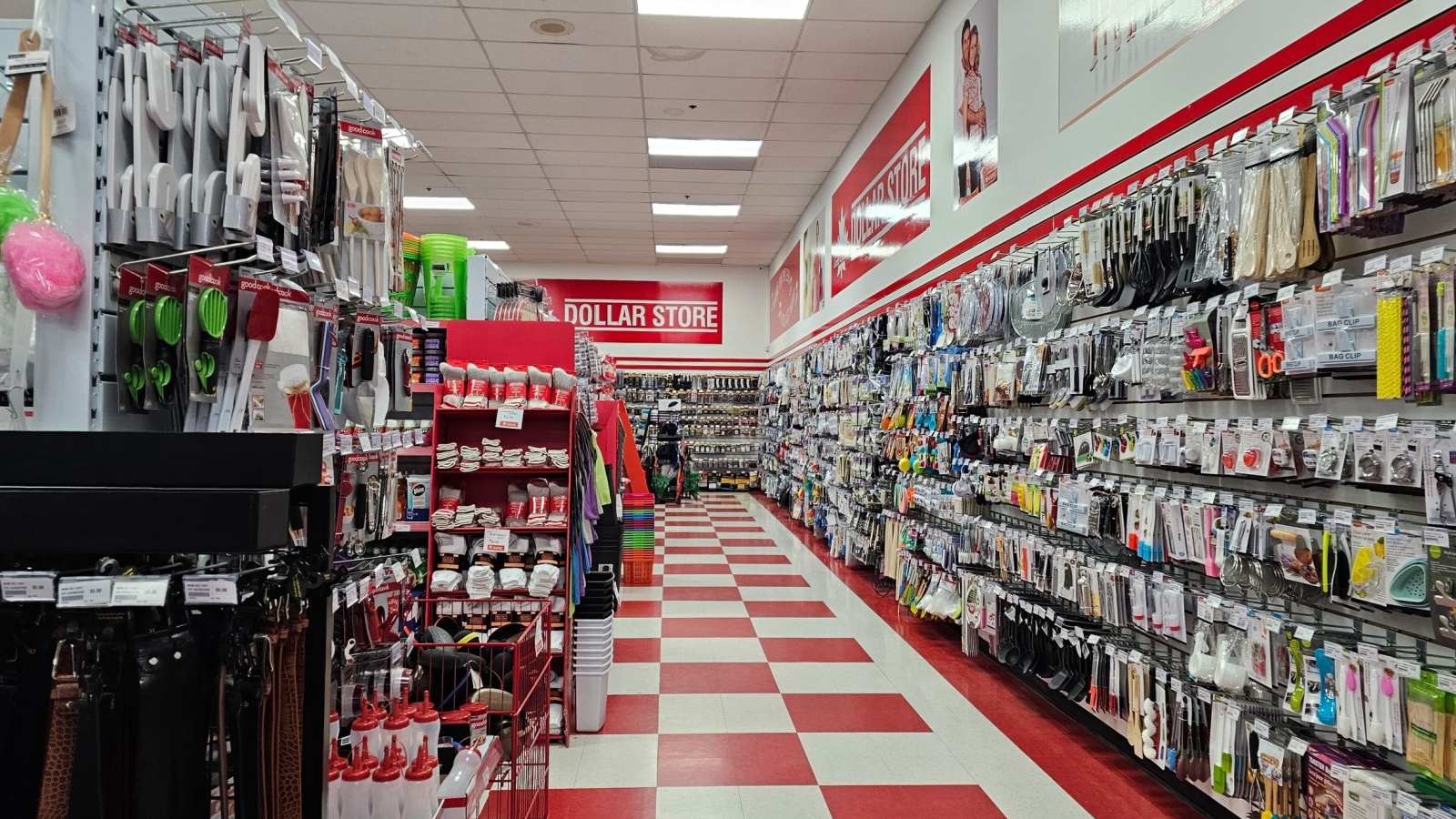
Unit pricing can turn a confusing shelf into a simple comparison: price per 100 grams, litre, kilogram, or unit. Yet across much of Canada, unit pricing is not consistently mandatory in the same way shoppers might expect. Quebec is the major exception, while many other stores provide unit pricing voluntarily and in formats that may vary by retailer.
That inconsistency becomes more important when packages are changing size. A shopper comparing two jars of pasta sauce may see one shelf tag based on 100 millilitres and another based on a different measure, or may have to search for the smaller print. When people are tired, shopping with children, or moving quickly after work, the easier choice is often the product with the louder sale sign. Without clear and harmonized unit pricing, the aisle can reward speed over value.
Loyalty Prices Are Creating Two Grocery Bills in One Aisle

Loyalty programs have become a bigger part of grocery shopping, with member-only pricing appearing across more tags and apps. For shoppers who use the right card, app, or digital offer, some discounts can be useful. For those who forget to load an offer, do not want another app, or are shopping for someone else, the shelf can feel like it has two prices for the same item.
The frustration is not only about privacy or convenience. It is also about predictability. A household may plan a meal around a posted price, then discover at checkout that the lower price required membership, a minimum purchase, or a digital coupon. Loyalty pricing can make savings feel less like a straightforward discount and more like a small administrative task. Over a month, missing several of those conditions can make the bill feel unnecessarily punishing.
Promotions Are Becoming Harder to Use Without Buying More
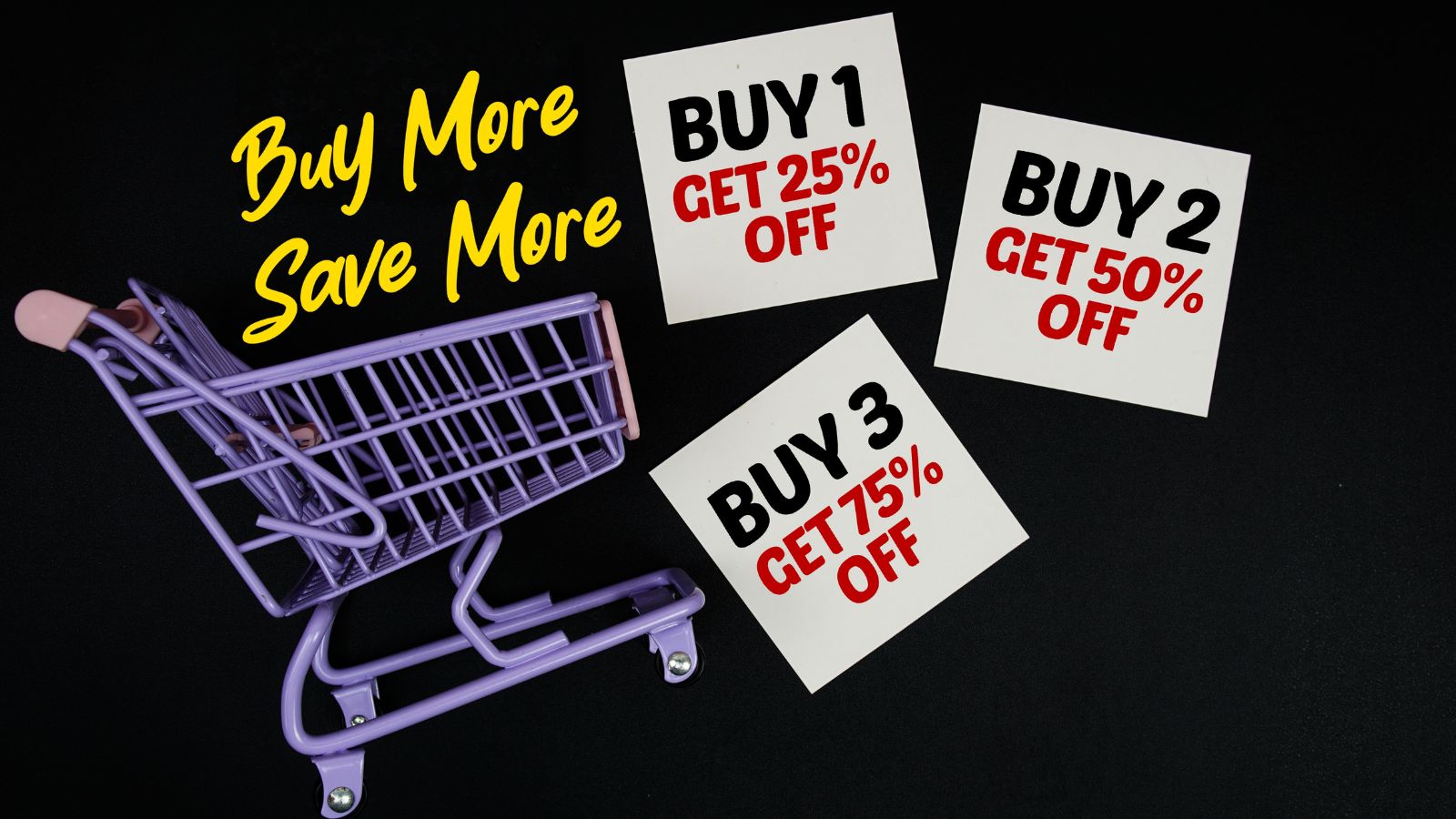
Multi-buy offers can look attractive at first glance: two for a set price, three for a better price, or a discount only after a minimum quantity. The problem is that many households do not need three tubs of dip, four boxes of snacks, or two family packs of meat before the expiry date. A deal that requires buying more can push the total receipt higher even when the unit price is lower.
This is especially difficult for singles, seniors, students, and small families. They may pay more per unit because they cannot reasonably store or use the larger deal. In a period when food inflation has already strained budgets, promotions that reward larger purchases can make careful shopping feel less fair. The aisle may advertise savings, but the checkout total can still rise because the discount depends on spending more upfront.
Meat Prices Are Making the Centre of the Plate More Expensive
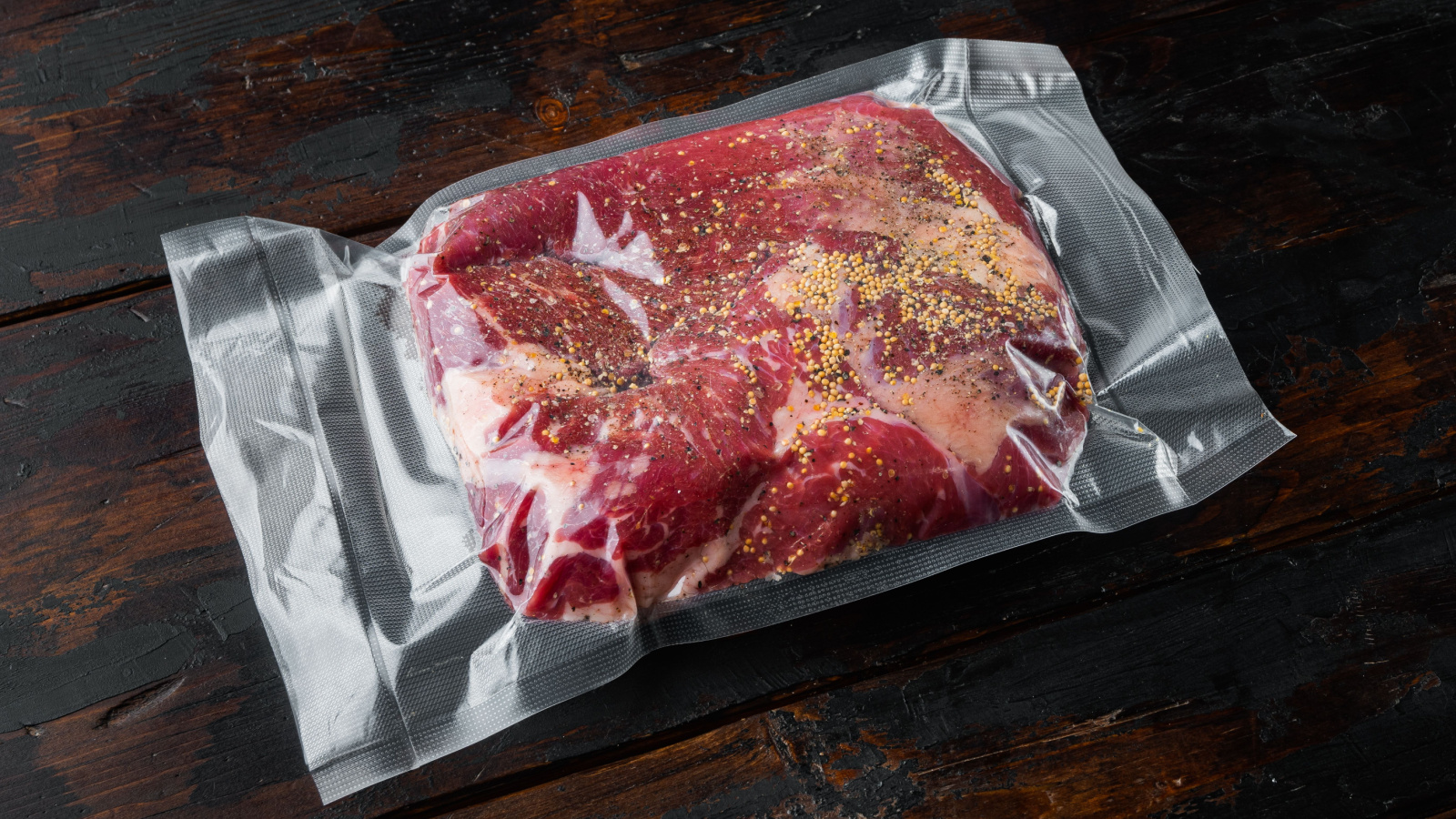
Meat has become one of the most noticeable pressure points in Canadian grocery baskets. Even shoppers who are not tracking inflation data can feel it when ground beef, chicken, bacon, or sandwich meat takes up a bigger share of the weekly budget. A small package that once covered several meals may now force a choice between stretching portions or changing the menu entirely.
This aisle change affects more than steak or premium cuts. It reshapes everyday cooking. Families may swap fresh meat for frozen portions, use more beans and lentils, or reserve meat for fewer meals per week. Food price forecasts have pointed to meat as one of the categories with elevated pressure, and monthly CPI data has shown meat rising faster than overall store-bought food in recent periods. That makes the meat case feel less like a normal aisle and more like a budget checkpoint.
Coffee Has Become a Small Luxury for Many Households
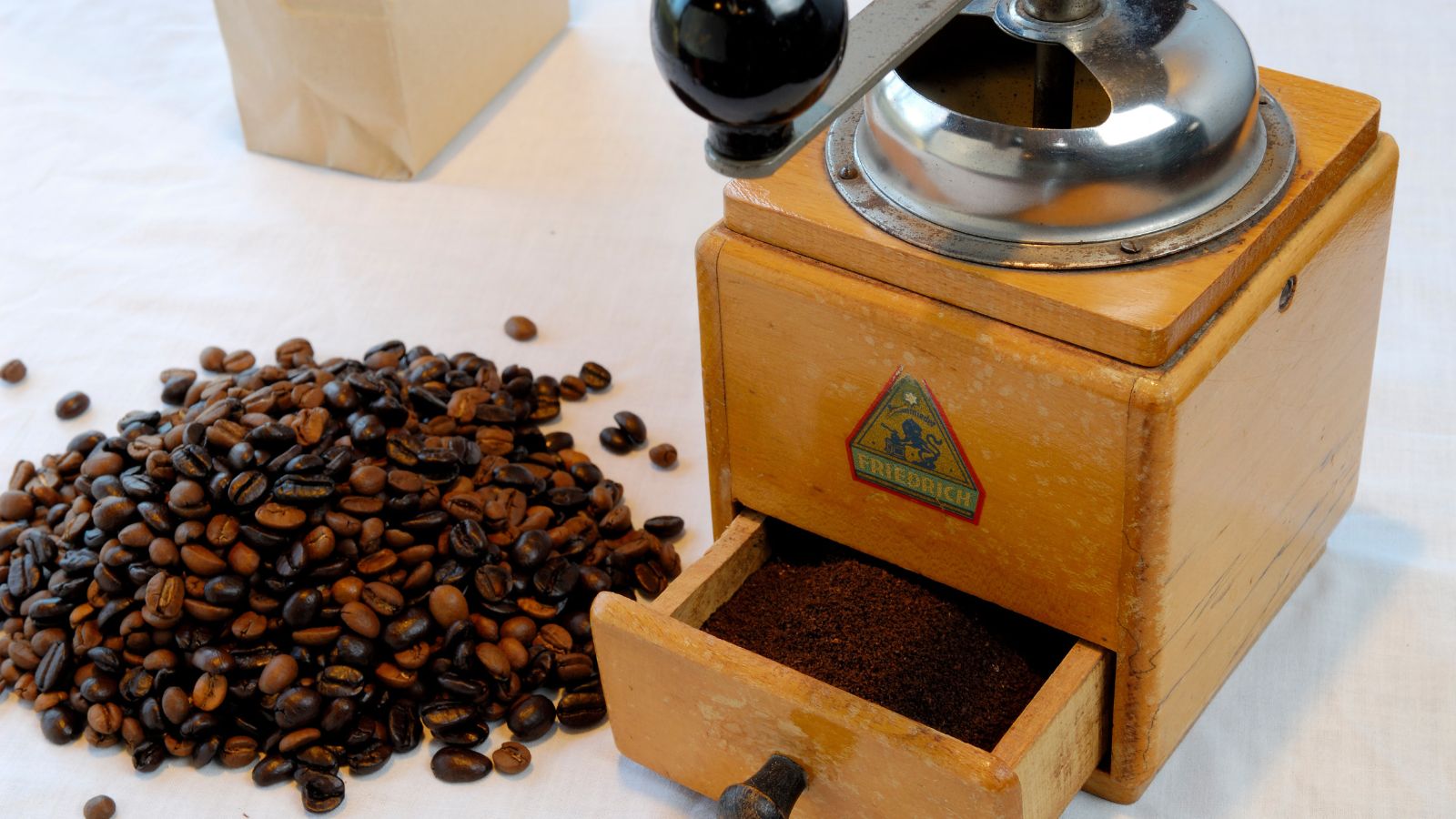
Coffee is one of those items that can make grocery inflation feel personal. It sits in a familiar aisle, often purchased on autopilot, yet the price of a can, bag, or pod box can jump sharply enough to interrupt the routine. For households that make coffee at home to avoid café prices, higher grocery coffee prices can feel especially irritating.
The pressure has not come from one simple source. Weather problems in producing regions, global commodity swings, tariffs, and supply-chain costs have all played a role in coffee and cocoa-related increases. Statistics Canada reported a major annual rise in coffee prices in 2025, making it one of the clearest examples of how global conditions show up on Canadian shelves. The result is that even a modest morning habit now demands more price comparison than it used to.
Produce Prices Are Making Fresh Eating Feel Riskier
Fresh produce has always been seasonal, but many shoppers now describe the produce section as more unpredictable. A bag of apples, a head of lettuce, berries, peppers, or tomatoes can vary widely by week and region. When prices are high and quality is uneven, households become more cautious about buying fresh items that may spoil before being used.
That caution changes how people cook. Frozen vegetables, canned tomatoes, and longer-lasting root vegetables become safer choices, while delicate greens or berries feel like a gamble. Weather disruptions, transportation costs, and import dependence can all affect produce prices, especially in colder months when Canada relies more heavily on foreign supply. For shoppers trying to eat well on a fixed budget, the produce aisle can now feel like a balance between health, waste, and sticker shock.
Private Label Products Are Filling More of the Basket

Store brands used to be seen mainly as the cheaper alternative. Now they occupy more shelf space and often come in multiple tiers, from basic value lines to premium-looking private labels. For shoppers, that can be helpful when national brands become too expensive. It can also make the aisle feel narrower if familiar brands disappear or sit beside private-label products that are not always as cheap as expected.
This change matters because grocery competition is not just about how many stores exist, but also about how much real choice shoppers have inside those stores. When a retailer controls the shelf, the flyer, the loyalty program, and the house brand, it can shape the options customers see first. Private labels can lower costs, but they can also make price comparison harder when recipes, package sizes, and quality levels differ from the national-brand version.
“Premium” Versions Are Replacing Simple Staples
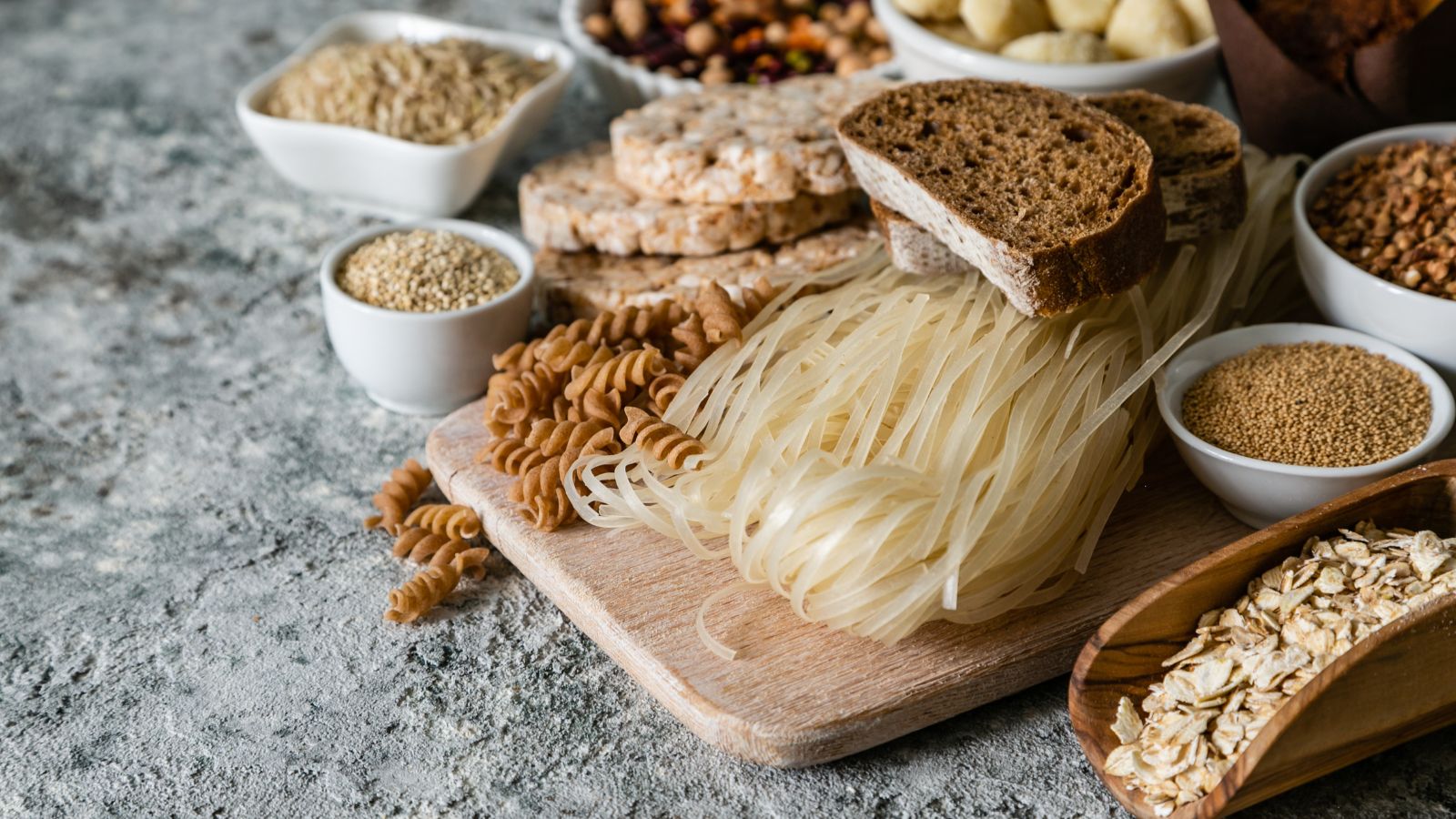
A growing number of everyday foods now appear in premium, artisanal, organic, high-protein, grass-fed, keto, gluten-free, or specialty versions. Some serve genuine dietary needs or quality preferences. The problem appears when the basic version becomes harder to find, less promoted, or only slightly cheaper than the upgraded product beside it.
This is noticeable in bread, yogurt, eggs, granola, sauces, frozen meals, and snacks. A shopper looking for a simple loaf may face a wall of seeded, ancient-grain, protein-enriched, or bakery-style options at higher prices. The aisle creates the impression of abundance, but not always affordability. For households trying to keep meals ordinary and inexpensive, premiumization can make basic groceries feel like they have been dressed up and repriced.
Fewer Deep Flyer Deals Are Changing Weekly Planning
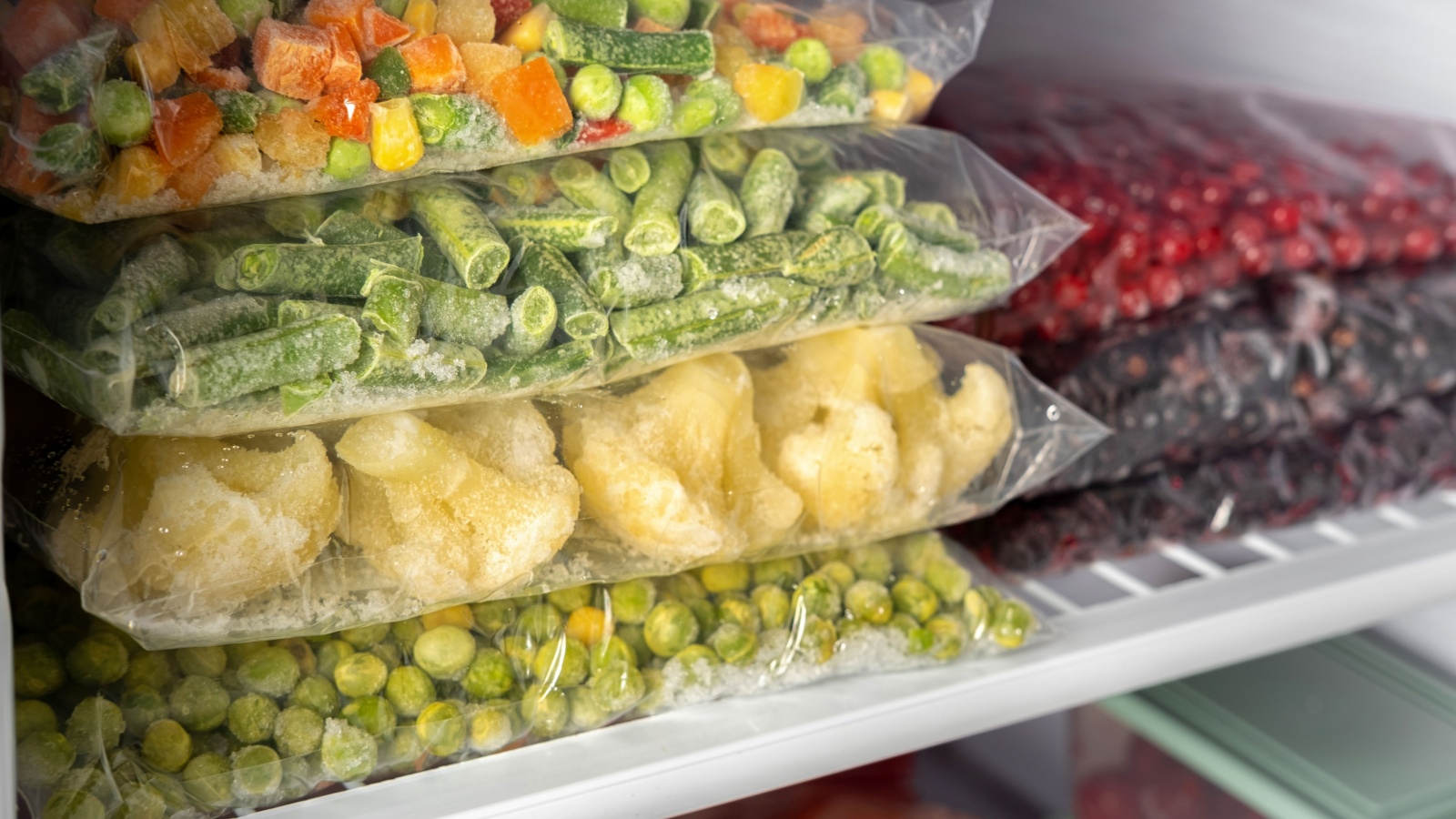
Many Canadian households have long planned grocery trips around flyers. A half-price roast, a stock-up deal on pasta, or a strong sale on frozen vegetables could shape the week’s meals. When the best offers become less dramatic, more conditional, or tied to loyalty apps, shoppers lose one of the easiest ways to lower the bill.
This change is subtle because promotions have not disappeared. The issue is that the deepest savings can feel harder to catch. A product may be “featured” without being much cheaper, or the deal may require a digital load, large quantity, or specific store format. For budget-conscious shoppers, this turns meal planning into a more complicated exercise. The old rhythm of building a cart around clear weekly specials does not work as smoothly when the sale signs feel less generous.
Checkout Totals Are Rising Even When Carts Look Smaller
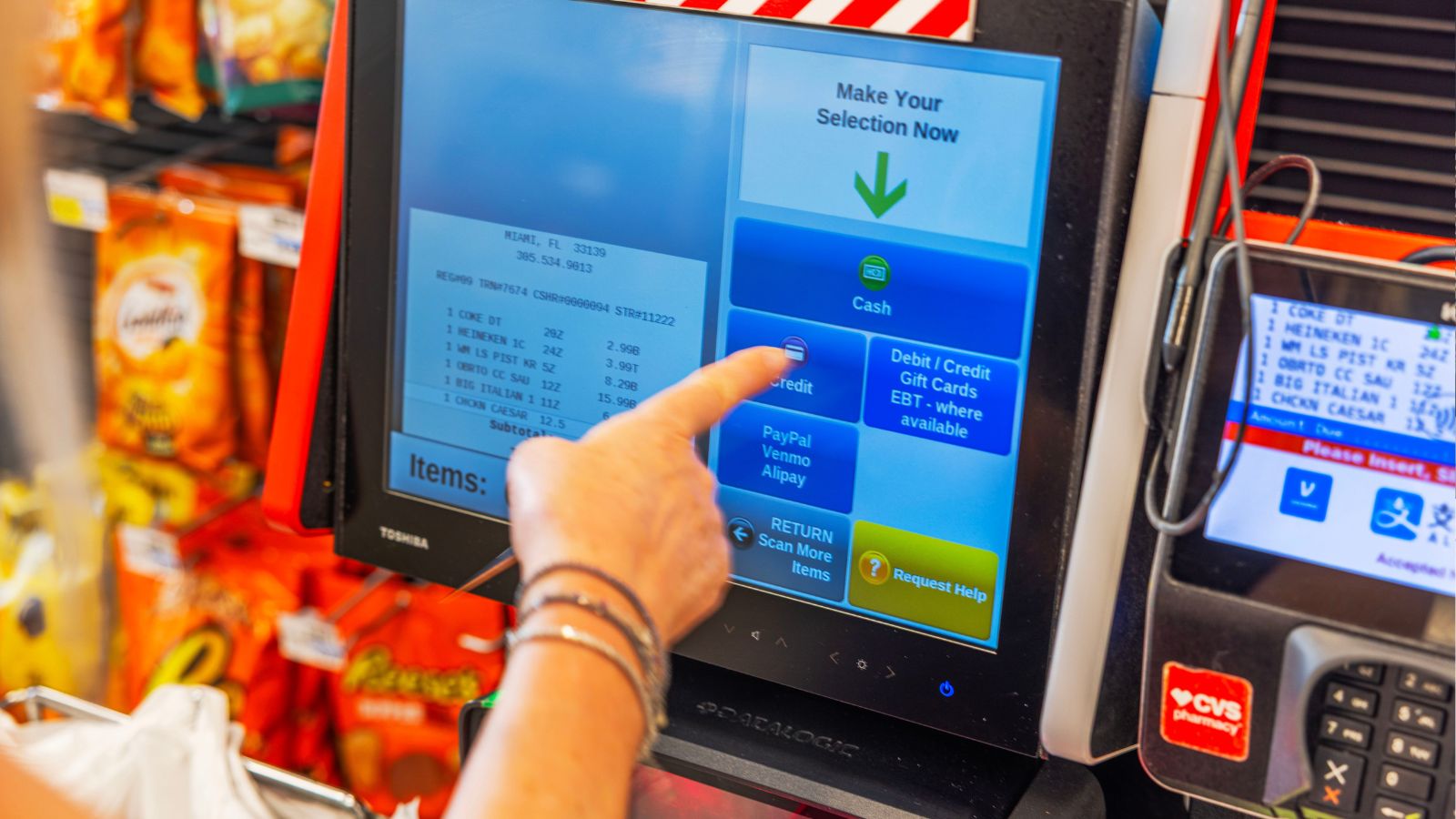
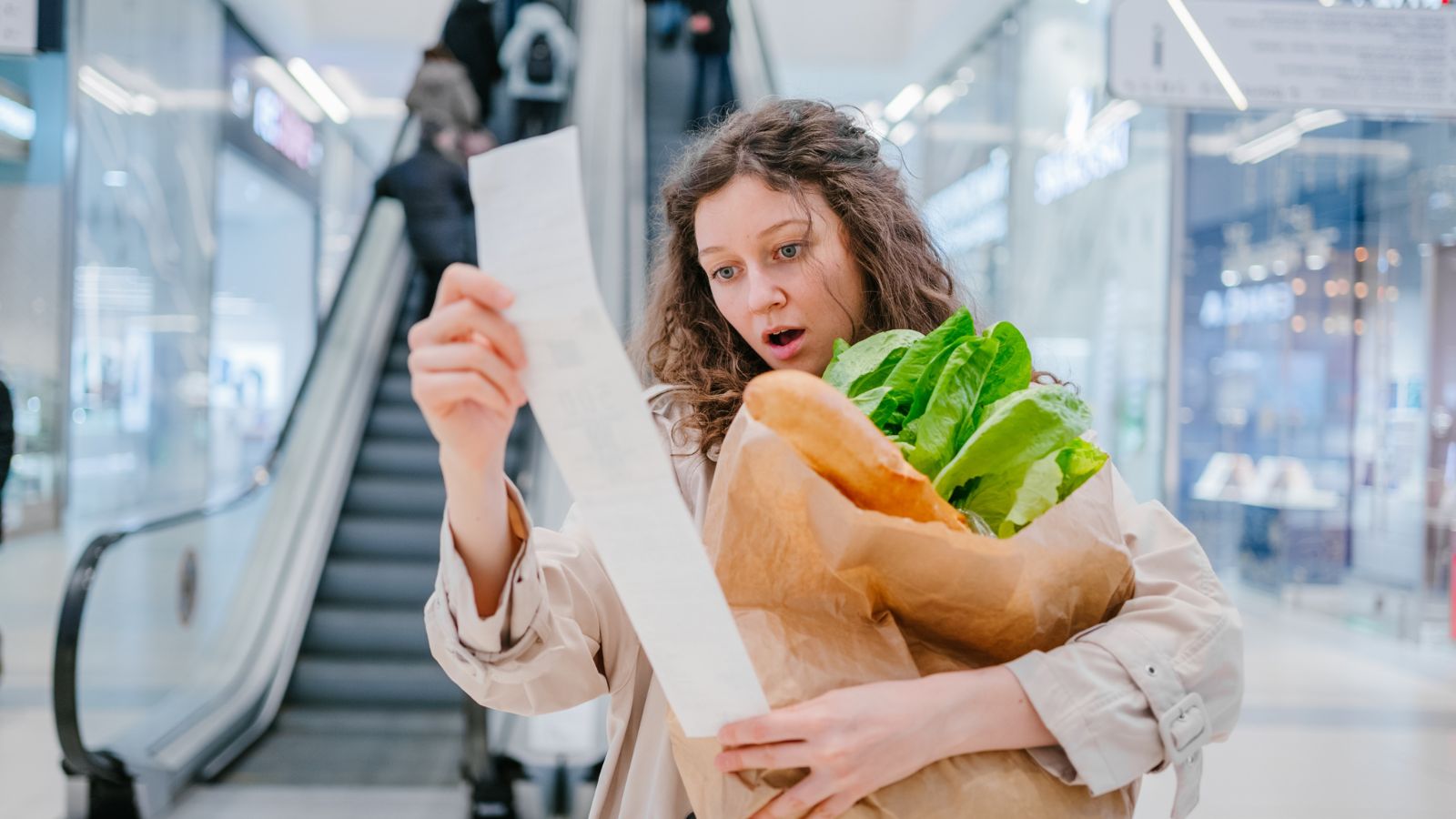
One of the most discouraging grocery moments is seeing a small cart produce a large total. That experience has become common enough that shoppers often compare receipts with friends or family to check whether they are imagining it. The visual size of the basket no longer feels like a reliable guide to the bill.
This happens because price increases are spread across many categories at once. Coffee rises, meat rises, produce rises, snacks shrink, and pantry staples creep upward. A cart does not need one spectacularly expensive item to feel costly; it can become expensive through ten ordinary increases. Statistics Canada’s annual data showed groceries rising faster in 2025 than in 2024, while food price forecasts for 2026 still point to additional increases. The result is a receipt that feels heavier than the bags.
Shelf Labels Are Becoming More Crowded
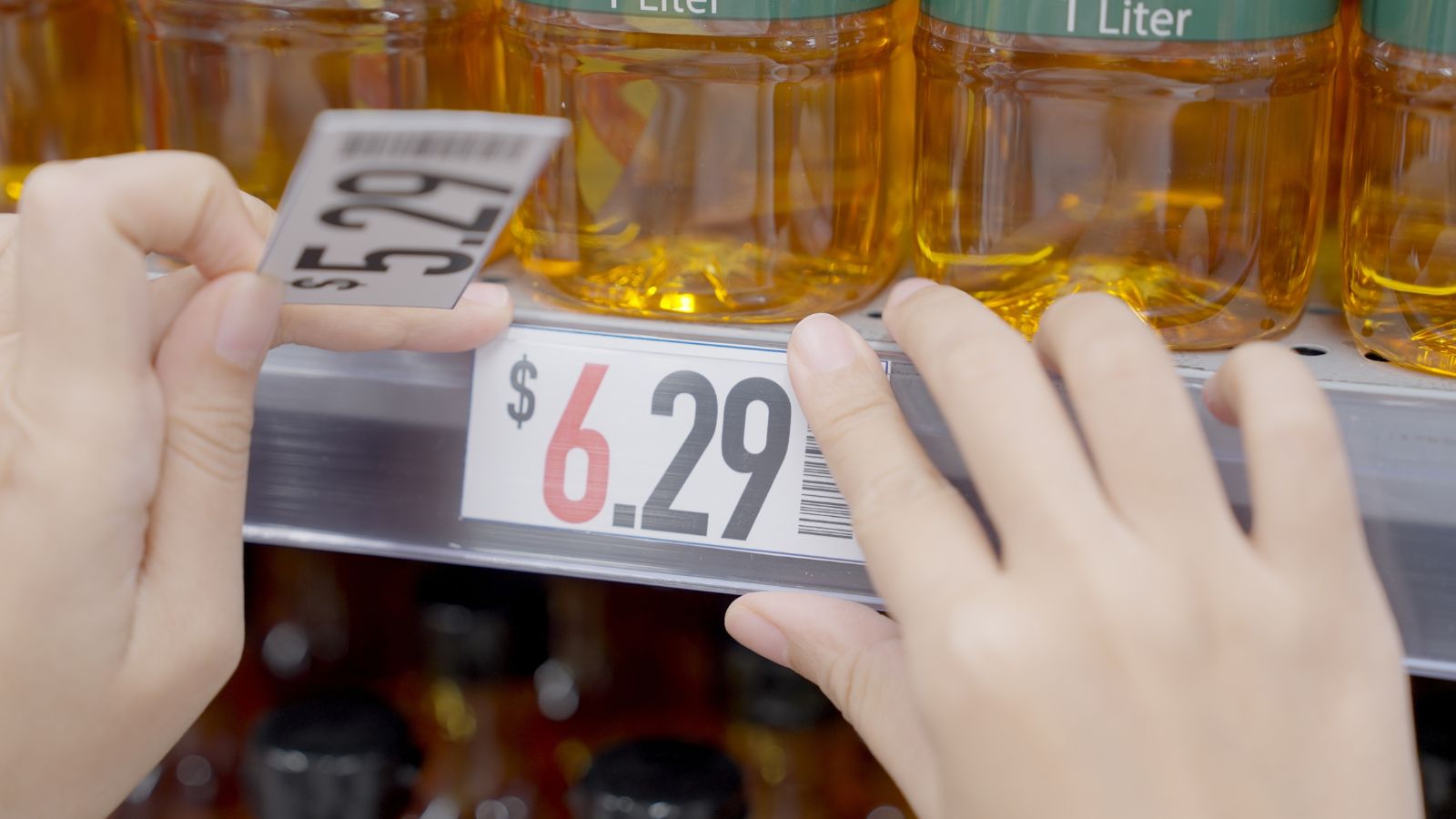
Modern grocery tags often do more than show a price. They may include a loyalty price, regular price, multi-buy condition, unit price, app offer, points reward, limited-time banner, or comparison claim. While each element may serve a purpose, the combined effect can be visually tiring. Shoppers may need to pause just to understand what they will actually pay.
Crowded labels matter because grocery decisions are often made quickly. A parent shopping after work may not have time to decode every tag. A senior may struggle with small print. A shopper comparing package sizes may miss the unit price entirely if it is buried under promotional messaging. When labels become harder to read, price transparency weakens. Even legitimate discounts can feel suspicious if customers cannot easily tell whether the shelf price, app price, or checkout price is the real one.
Prepared Foods Are Pulling Shoppers Away From Cheaper Ingredients
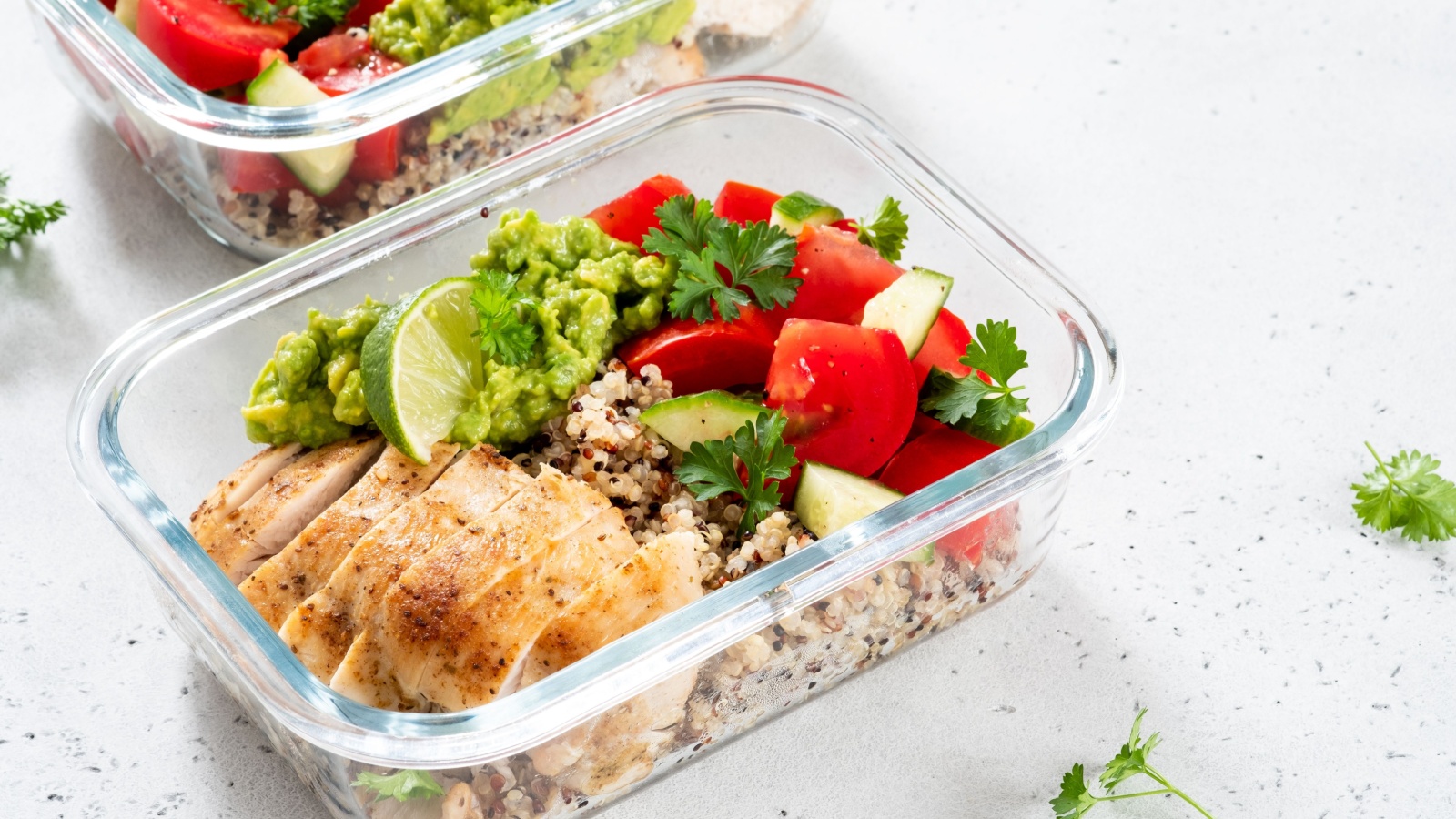
Prepared meals, chopped vegetables, marinated meats, ready-made salads, and heat-and-eat entrees are increasingly prominent in grocery stores. They solve a real problem: people are busy, tired, and often trying to avoid restaurant or delivery costs. But convenience usually carries a premium, and that premium can quietly reshape the bill.
A tray of prepared pasta, a pre-cut fruit bowl, or a seasoned protein may look reasonable compared with takeout. Compared with raw ingredients, however, the price gap can be large. The danger is not the occasional convenience purchase; it is the slow normalization of paying extra because the cheaper option requires time, planning, and energy. As stores expand prepared sections, shoppers may feel that the grocery aisle is borrowing more pricing habits from restaurants.
“Value Size” Packages Do Not Always Feel Like Better Value
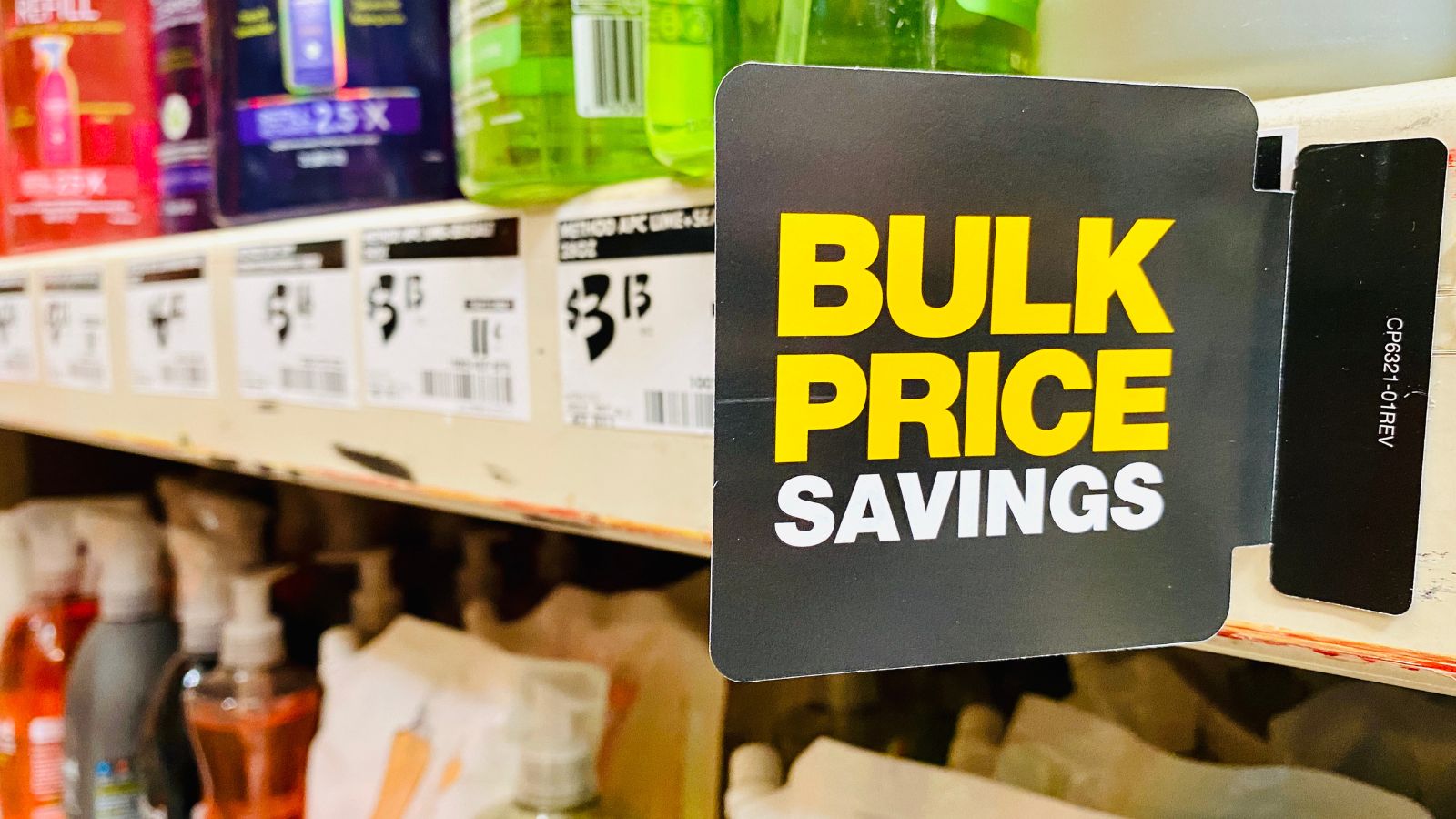
Large packages once seemed like the obvious way to save. In many cases, bulk and value sizes still reduce the unit cost. But shoppers have become more cautious because bigger packages also demand more cash upfront, more storage space, and more confidence that the food will be used before it goes stale or expires.
The problem grows when unit pricing is unclear or package sizes change. A family-size cereal box, giant tub of yogurt, or club pack of chicken may not always deliver the savings implied by the label. For households with tight weekly budgets, the larger format can also crowd out money for other essentials. A “value” package that forces a higher total bill today may not feel like value at all, especially when the household is trying to manage cash flow between paycheques.
Imported Foods Are Exposing Shoppers to Global Price Shocks
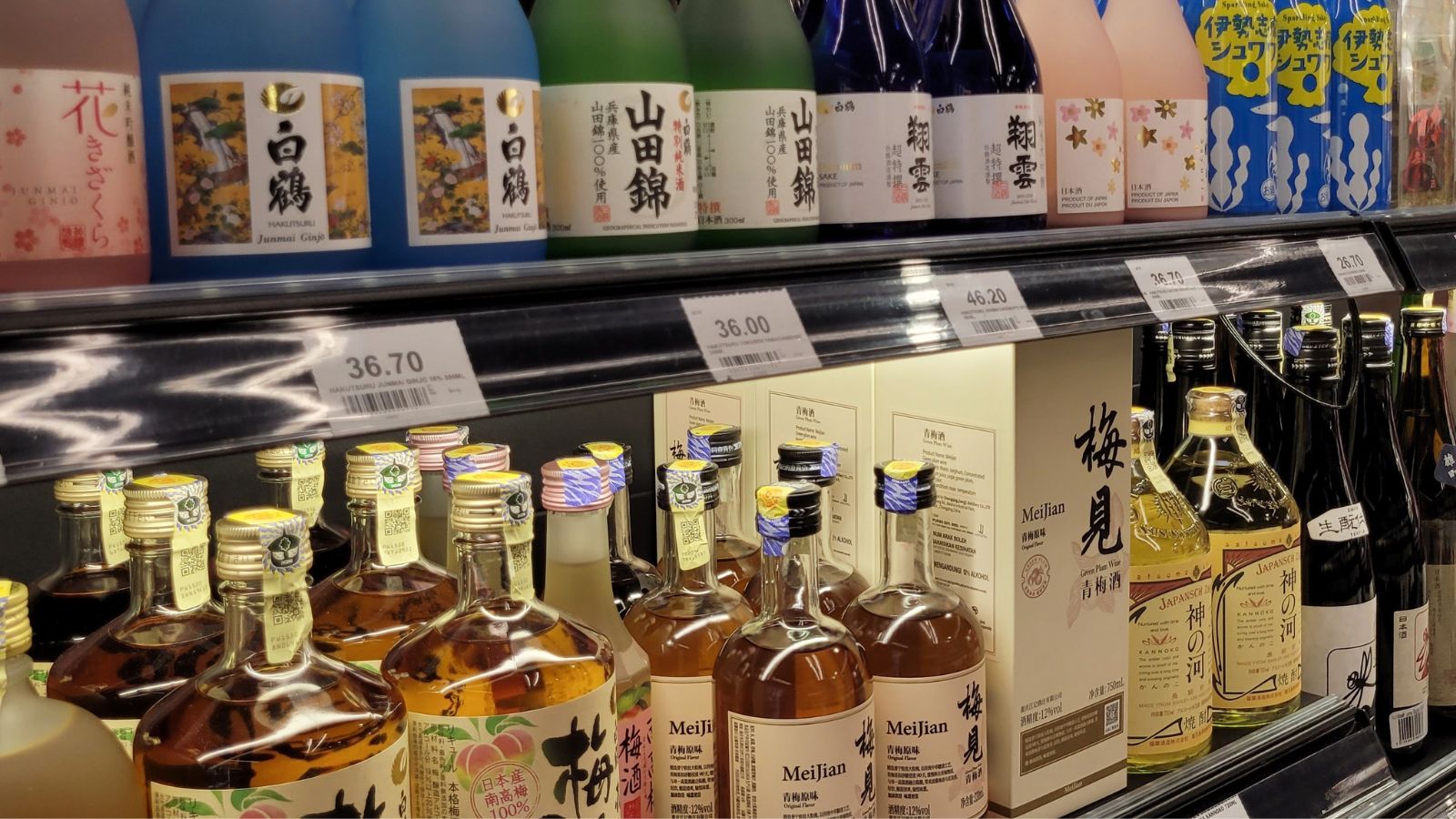
Many grocery staples in Canada depend on global supply chains, from coffee and cocoa to citrus, rice, spices, seafood, and out-of-season produce. When weather, shipping, exchange rates, tariffs, or crop disease hit producing regions, the effect can show up months later on Canadian shelves. Shoppers may not follow commodity markets, but they see the result in the aisle.
This is one reason grocery inflation can feel disconnected from local experience. A shopper in Winnipeg or Halifax may wonder why chocolate, coffee, olive oil, oranges, or imported vegetables cost more when nothing obvious has changed at home. Bank of Canada analysis has pointed to imported items as an important driver of renewed food inflation pressures. For shoppers, the aisle becomes a reminder that a Canadian grocery bill is often tied to weather and politics far beyond Canada.
Store Layouts Are Steering More Trips Through Higher-Margin Temptations
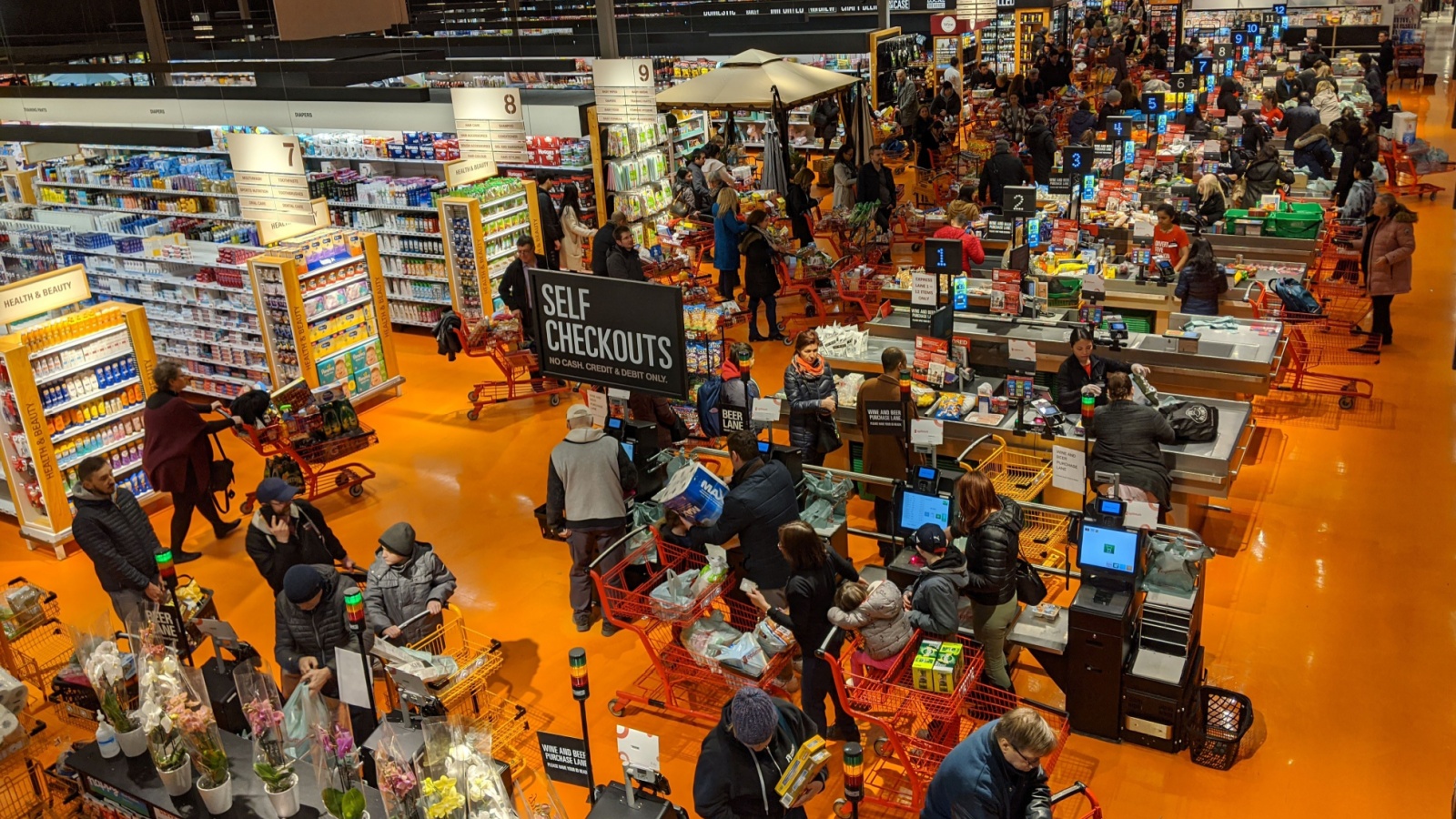
Grocery stores are designed to sell, not simply to store food on shelves. Increasingly polished bakery displays, snack endcaps, seasonal tables, and prepared-food counters can pull shoppers away from their lists. These sections are not inherently bad, but they make impulse spending easier at a time when households are trying to stay disciplined.
The impact is often small in the moment: a bakery treat, a limited-time sauce, a drink from the cooler, or a snack placed near checkout. Over several trips, those extras can become noticeable. When staple prices are already higher, impulse-friendly layouts feel more costly because there is less room for unplanned purchases. Shoppers may enter the store intending to replace milk, eggs, and vegetables, then leave with several small add-ons that make the receipt harder to explain.
Discount Banners Do Not Always Mean the Lowest Basket
Canada has several discount grocery banners, and many shoppers rely on them to control costs. Still, the discount experience has become more complicated. A lower-cost store may offer better prices on some staples but fewer choices, larger package sizes, or weaker deals on specific fresh items. Another store may be cheaper only when loyalty offers are included.
That means shoppers increasingly need to compare basket totals rather than assume one banner always wins. The Competition Bureau has argued that stronger grocery competition would help Canadians through more choice and pressure on prices. But for customers living in areas with limited store options, switching banners is not always realistic. A discount sign can help, but it does not erase the broader pressures from inflation, transportation, rent, labour, and supplier costs.
Checkout Accuracy Feels More Important Than Ever

When prices are changing quickly, shoppers pay closer attention to whether the checkout total matches the shelf. A missed loyalty discount, a sale tag left up after expiry, or a scanned price that differs from the aisle can turn into a bigger frustration because grocery budgets are already stretched. Even a few dollars matter more when many items have risen.
Canada has rules around food labelling and net quantity declarations, and retailers also use scanning practices and consumer policies to manage price accuracy. Still, the shopper experience depends on noticing the problem in real time. That is not easy with a long receipt, a busy line, or children waiting nearby. As grocery bills rise, trust at checkout becomes part of affordability. People want confidence that the price they chose in the aisle is the price they actually paid.
Food Waste Feels More Expensive Than It Used To

Food waste has always been frustrating, but higher grocery prices make it feel more serious. Lettuce that wilts early, berries that spoil in two days, bread that molds, or leftovers that go uneaten now represent more money lost. Shoppers may respond by buying less fresh food, choosing frozen products, or avoiding ingredients they are not sure they will finish.
This change affects behaviour throughout the store. Smaller households may avoid bulk deals, even when the unit price is better. Families may repeat safer meals to reduce risk. People may choose shelf-stable foods over fresh options because wasted produce feels too costly. In this way, inflation changes more than receipts; it changes confidence. When every spoiled item feels like a budget mistake, the grocery aisle becomes less about abundance and more about damage control.
19 Things Canadians Don’t Realize the CRA Can See About Their Online Income

Earning money online feels simple and informal for many Canadians. Freelancing, selling products, and digital services often start as side projects. The problem appears at tax time. Many people underestimate how much information the CRA can access. Online platforms, banks, and payment processors create detailed records automatically. These records do not disappear once money hits an account. Small gaps in reporting add up quickly.
Here are 19 things Canadians don’t realize the CRA can see about their online income.
