Canadian malls used to feel predictable: a familiar department store at one end, fashion chains in the middle, gift shops near the escalator, and a few specialty stops that seemed permanent. That certainty has faded. Store closures, creditor protection filings, online pivots, and shrinking footprints have made some longtime mall names harder to rely on than they once were.
These 18 familiar Canadian mall stores show how quickly retail habits, rent pressure, debt, and changing shopper priorities can reshape even the most recognizable brands.
Hudson’s Bay
Hudson’s Bay was once the dependable anchor of many Canadian malls, the kind of store families used as a meeting point, a holiday-shopping stop, and a shortcut through the building. Its collapse changed that familiar rhythm almost overnight. After filing for creditor protection in 2025, the retailer moved through liquidation, ending a department-store run that had been tied to Canadian commerce for generations.
The impact went beyond one chain. In many malls, The Bay occupied large anchor spaces that shaped foot traffic for smaller stores nearby. When those doors closed, shoppers lost more than a place to buy bedding, coats, cosmetics, and gifts. They lost a reliable all-purpose stop that had helped make malls feel complete.
Saks Fifth Avenue Canada
Saks Fifth Avenue entered Canada with the promise of luxury shopping inside major urban retail corridors, often connected to the broader Hudson’s Bay ecosystem. For shoppers who wanted designer labels without crossing the border, it offered a polished alternative to traditional department stores. But that Canadian experiment proved fragile as the parent company’s financial problems deepened.
The closure of Canada’s last Saks Fifth Avenue location was significant because it signaled how difficult high-end department-store retail had become in this market. Luxury shoppers still exist, but many brands now sell directly through their own boutiques and websites. That shift made Saks less reliable as a Canadian mall destination.
Saks OFF 5TH
Saks OFF 5TH was supposed to give Canadians a more accessible way into designer and premium brands, especially at outlet centres and larger retail developments. The appeal was obvious: discounted labels, rotating inventory, and the thrill of finding something unexpected. For years, it fit neatly into the bargain-hunting side of mall culture.
Its Canadian footprint became far less dependable as Hudson’s Bay’s restructuring and liquidation process unfolded. When off-price stores disappear, shoppers lose a useful middle ground between full-price department stores and pure online deal hunting. The uncertainty also shows that even value-oriented luxury concepts are not immune when the larger corporate structure behind them weakens.
Nordstrom
Nordstrom arrived in Canada with big expectations, opening polished full-line stores in major cities and promising a level of customer service that had built loyalty in the United States. For many Canadian shoppers, it became a destination for shoes, beauty, contemporary fashion, and attentive sales staff. Its stores felt modern compared with older department-store formats.
The company’s 2023 decision to exit Canada entirely made the brand a cautionary example. It closed six Nordstrom stores, wound down Canadian e-commerce, and cut thousands of jobs. The move showed that even a respected U.S. retailer could struggle to make Canadian mall economics work, especially with limited scale and high operating costs.
Nordstrom Rack
Nordstrom Rack seemed better suited to budget-conscious shoppers than the full-line Nordstrom stores. Its off-price format promised recognizable brands at lower prices, which should have helped in a market where many households were watching discretionary spending. It also gave malls and power centres another draw for shoppers who liked deal-driven browsing.
Yet Nordstrom Rack left Canada along with the full Nordstrom chain. The closure of seven Canadian Rack stores underlined a difficult lesson: a value format still depends on logistics, brand supply, rent, and overall market strategy. For Canadians who used Rack for shoes, workwear, or discounted designer finds, the exit removed a practical and familiar option.
The Body Shop
The Body Shop was once a routine stop for body butter, shower gel, fragrance, and gift sets, especially around the holidays. Its ethical-brand image helped it stand out in mall beauty corridors long before “clean” and values-based retail became mainstream language. Many Canadians associated it with small gifts, teen shopping trips, and dependable scents.
In 2024, The Body Shop Canada filed for creditor protection and announced plans to close 33 of its 105 stores while halting e-commerce operations during restructuring. That made the brand harder to count on both in person and online. For a retailer built on repeat purchases, losing easy access can quickly weaken customer habits.
Claire’s
Claire’s has long been one of the most recognizable youth-oriented mall stores, especially for ear piercing, inexpensive accessories, birthday gifts, and first pieces of jewelry. It occupied a specific emotional space in malls: small, bright, and tied to childhood milestones. For parents and teens, it was often less about fashion and more about memory.
The chain’s financial struggles have raised questions about its future Canadian presence. Its U.S. bankruptcy filing and the stated intention for its Canadian affiliate to seek creditor protection showed that even a category-defining mall brand can be vulnerable. When a store depends heavily on mall traffic from young shoppers, shifting habits can hit hard.
Eddie Bauer
Eddie Bauer built its Canadian appeal around practical outdoor clothing, coats, fleece, and travel-ready basics. In many malls and outlet centres, it served shoppers who wanted something more durable than trend-driven fashion but more familiar than specialty outdoor stores. Its seasonal outerwear made it especially relevant in colder Canadian markets.
Recent reporting that Eddie Bauer’s Canadian stores were expected to close as part of a broader restructuring made the brand feel less dependable. The concern is not simply losing another clothing chain; it is losing a middle-market outdoor option that many shoppers understood. When a winter coat or travel jacket is needed quickly, physical access still matters.
Oak + Fort
Oak + Fort became a familiar name in Canadian malls by offering minimalist clothing, muted colours, and a boutique-like feel at more approachable prices than designer labels. Its stores often appealed to shoppers who wanted polished basics without the visual noise of fast fashion. The brand’s clean aesthetic made it recognizable even from the mall corridor.
The company’s 2025 creditor protection filing showed how quickly expansion and debt can strain a fashion retailer. Reports pointed to rent pressure, weak consumer spending, and sourcing exposure as part of the challenge. For shoppers, that means a brand that once seemed to be growing steadily may suddenly feel uncertain from one location to the next.
Frank And Oak
Frank And Oak earned a strong following as a Montreal-born brand with an emphasis on modern basics, sustainability messaging, and urban style. Its stores gave Canadian malls a more local-feeling alternative to larger international chains. For shoppers who liked simple shirts, chinos, outerwear, and capsule-wardrobe pieces, it had an easy identity.
The brand’s repeated restructuring struggles made it harder to rely on as a physical retail presence. In 2025, Frank And Oak confirmed plans to close most of its Canadian stores during court-supervised restructuring. That kind of pullback changes how customers interact with the brand, turning what was once a mall visit into a more online-dependent relationship.
Ted Baker
Ted Baker had a distinctive place in Canadian malls and downtown shopping districts because it blended office-friendly tailoring with colourful, polished details. It was not a mass-market chain, but it was familiar to shoppers looking for occasion wear, work pieces, or gifts with a British fashion identity. Its stores often felt more boutique than basic.
The closure of Ted Baker stores in Canada, connected to broader financial struggles under its operating structure, made the brand harder to access locally. For shoppers, the loss was especially noticeable because the chain served a niche between department-store brands and luxury boutiques. Once that middle space disappears, customers have fewer easy in-person options.
Brooks Brothers
Brooks Brothers carried a long-established reputation for suits, shirts, ties, and classic workwear. In Canadian malls and business districts, it was a practical stop for office wardrobes, formal events, and conservative tailoring. For shoppers who preferred consistency over trend, the brand’s appeal came from knowing what to expect.
Its Canadian store closures reflected wider pressure on formalwear and office-focused apparel. Hybrid work, casual dress codes, and online shopping all weakened the old rhythm of buying shirts and suits in person. When a brand built on professional reliability becomes less available, it says something broader about how Canadian wardrobes and mall habits have changed.
Lucky Brand
Lucky Brand’s mall presence was tied to denim, casual shirts, leather details, and a laid-back American style. For shoppers who wanted jeans without going to a department store, it was a familiar specialty stop. Its stores fit the old mall logic: a focused brand, a narrow category, and enough personality to draw repeat visits.
Canadian closures connected to the same financial issues affecting Ted Baker and Brooks Brothers made Lucky Brand less dependable as a local option. Denim remains a staple, but shoppers now have many alternatives online and in big-box fashion stores. That makes standalone mall denim chains more vulnerable when rent and inventory costs rise.
Forever 21

Forever 21 was once a powerful fast-fashion draw in Canadian malls, especially for teens and young adults looking for trend pieces at low prices. Its large stores, constant new arrivals, and bright displays made it feel almost unavoidable in major shopping centres. For a period, it helped define youth shopping culture.
The chain’s Canadian exit in 2019, when it closed dozens of stores across the country, showed how quickly fast fashion can turn from dominant to overextended. Even though the brand name remains known, its mall reliability in Canada changed dramatically. Shoppers who once counted on it for last-minute outfits had to shift to competitors or online alternatives.
DAVIDsTEA
DAVIDsTEA was a distinctly Canadian mall success story for a time. Its colourful tins, wall of loose-leaf tea, and samples made the store feel interactive in a way many small mall shops did not. It worked well for gifts, office treats, and shoppers who wanted something more personal than a standard coffee chain.
Its 2020 restructuring sharply reduced that physical presence. The company closed many Canadian stores and shifted toward a smaller footprint, online sales, and wholesale channels. For customers, that changed the experience entirely. Tea can be ordered online, but the old ritual of smelling blends, asking staff for recommendations, and building a custom gift box became harder to find.
Le Château
Le Château was a Canadian mall fixture for decades, especially for party dresses, prom looks, workwear, and trend-forward pieces. It had a recognizable place in fashion culture, often serving shoppers who needed something for a specific event. For many Canadians, it was tied to graduations, first office jobs, weddings, and nights out.
The company’s 2020 creditor protection filing and liquidation of its physical stores marked the end of a long mall era. Although the brand later returned in a different form, the dependable standalone store experience disappeared. That matters because occasionwear is often purchased under time pressure, when shoppers want to try pieces on instead of gambling online.
ALDO
ALDO remains one of Canada’s best-known footwear names, with deep roots in Montreal and a long history in malls. Its stores have served generations of shoppers looking for affordable dress shoes, boots, sandals, handbags, and accessories. Because shoes are fit-sensitive, ALDO’s physical locations were always part of its convenience.
The company’s 2020 creditor protection filing did not erase the brand, but it reminded shoppers that even familiar Canadian chains can face serious pressure. Mall-based footwear is a difficult category because consumers compare prices online while stores still carry rent, staffing, and inventory costs. ALDO’s survival makes it important, but its past restructuring makes its footprint feel less guaranteed.
Bentley
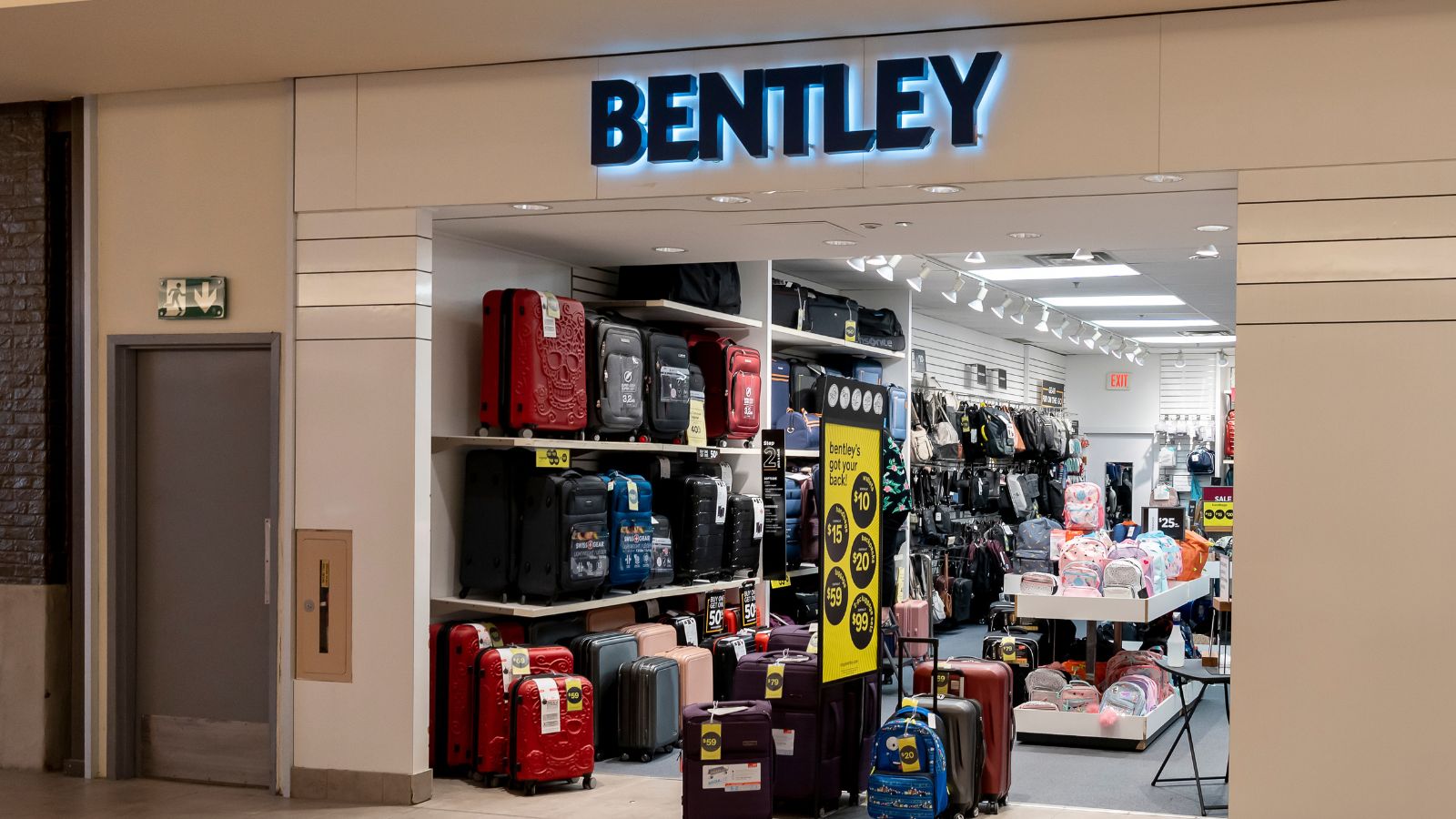
Bentley was a familiar stop for luggage, backpacks, wallets, and travel accessories, especially before vacations, school terms, and business trips. In many Canadian malls, it filled a practical niche that was easy to overlook until something broke or a suitcase was needed quickly. Its appeal came from usefulness rather than trend.
The brand’s restructuring history and later acquisition plans involving possible store closures showed how vulnerable specialty mall retailers can be. Luggage is not bought every week, and online competitors have made price comparisons easier. That combination can make a physical chain harder to maintain, even when the products remain useful and recognizable.
19 Things Canadians Don’t Realize the CRA Can See About Their Online Income

Earning money online feels simple and informal for many Canadians. Freelancing, selling products, and digital services often start as side projects. The problem appears at tax time. Many people underestimate how much information the CRA can access. Online platforms, banks, and payment processors create detailed records automatically. These records do not disappear once money hits an account. Small gaps in reporting add up quickly.
Here are 19 things Canadians don’t realize the CRA can see about their online income.
