
Summer travel has a way of making prices look friendlier than they feel by checkout. A flight that starts as a bargain can grow once bags, seat selection, airport fees, exchange rates, roaming, parking, insurance gaps, and hotel add-ons enter the picture. For Canadians planning warm-weather trips, the real cost often appears in smaller line items rather than one obvious surcharge. These 16 hidden costs are worth checking before committing to flights, hotels, rentals, tours, or vacation packages, especially when peak-season demand makes every overlooked fee harder to absorb.
Airport Improvement Fees Built Into Airfare

Many Canadian travellers focus on the base fare and forget that airport charges can be built into the ticket before the final total appears. Airport improvement fees help fund terminals, runways, security areas, baggage systems, and other infrastructure, but they can make a cheap-looking fare less impressive once the taxes and charges are displayed. At major airports, these fees may apply to departing passengers, connecting passengers, or both, depending on the airport and itinerary.
A family comparing a short domestic flight from Toronto, Calgary, or Ottawa might notice that the fare itself is only part of the final price. Some airports list fees around the $40 range before applicable taxes, and connecting fees may also appear on certain routes. The issue is not that these charges are unusual; it is that they are easy to ignore when comparing fares across airports. A slightly cheaper flight from a different airport can lose its advantage once ground transport and airport charges are added.
Checked Baggage That Changes the Fare Math

Baggage is one of the most common ways a summer travel budget quietly expands. Basic and ultra-low fares often look appealing because they strip the ticket down to transportation only, leaving checked bags, carry-ons, and sometimes even gate handling to be priced separately. A couple travelling with two checked suitcases can add well over $100 to a round trip before even considering overweight or oversized charges.
The timing of payment matters too. Some airlines charge less when bags are purchased online in advance and more at check-in or at the airport counter. This creates a familiar airport scene: a traveller arrives with a suitcase that seemed ordinary at home, only to learn it crosses the weight or size threshold. For beach trips, camping gear, sports equipment, and children’s items, baggage fees can turn a low advertised fare into a standard-priced trip with less flexibility.
Seat Selection for Families and Groups

Seat selection can feel optional until a family or group realizes that sitting together may cost extra. On many fare types, passengers can skip seat selection and accept whatever is assigned at check-in, but that can be stressful for parents travelling with children, couples on long flights, or older relatives who need an aisle seat. During summer, fuller planes can make last-minute seating choices more limited.
This cost is especially easy to overlook because it is not always framed as essential. A family of four paying a modest seat fee each way can add a meaningful amount to a vacation before departure. A traveller who books the lowest fare to save money may later pay to avoid scattered seats, middle seats, or inconvenient rows. The best comparison is not simply fare versus fare, but fare plus seats, bags, and the level of control needed for the trip.
Travel Insurance That Does Not Cover the Real Risk

Travel insurance can create a false sense of security when travellers assume every disruption is covered. Emergency medical insurance, trip cancellation coverage, and trip interruption coverage are different products, and each has exclusions, limits, documentation requirements, and timing rules. A policy that covers a hospital visit abroad may not reimburse a cancelled tour, missed cruise departure, regional conflict, fuel disruption, or advisory-related change unless the wording specifically allows it.
This matters more in summer because many trips include non-refundable deposits, prepaid tours, cottage rentals, flights, and event tickets. A traveller who buys insurance after a known disruption appears in the news may find that the issue is already excluded. Another may assume a credit card policy covers everyone in the group, only to discover limits by age, trip length, payment method, or medical stability. Insurance is not just a box to tick; it is a contract that needs to match the actual itinerary.
Passport Rush Fees and Last-Minute Document Problems

A passport that expires too soon can become one of the most expensive travel mistakes. Some destinations require a passport to be valid for months beyond the travel date, and airlines may refuse boarding if the document does not meet entry rules. Canadians who discover the problem late may need express or urgent passport service, which adds extra fees on top of the regular passport cost.
The hidden cost is not only the passport fee. Last-minute appointments, courier costs, missed work, replacement photos, and changed flights can all follow from a document issue. A family heading to Europe or the Caribbean may have one child’s passport overlooked because children’s passports have shorter validity periods. The cheapest fix is checking every traveller’s documents before booking, not after flights and hotels become non-refundable. A few minutes of review can prevent a scramble that turns a routine renewal into a premium service.
Foreign Transaction Fees on Everyday Purchases

Foreign transaction fees are easy to underestimate because each charge looks small on its own. A Canadian credit card may apply a foreign currency conversion markup when a purchase is made outside Canada or billed in another currency. On meals, museum tickets, transit passes, hotel deposits, souvenirs, and ride-share fares, the fee can quietly repeat throughout the trip.
The effect becomes clearer after returning home. A $2 or $3 extra charge on a single purchase barely registers, but dozens of transactions across a week can feel like an unplanned tax on the entire vacation. Dynamic currency conversion can make this worse when a terminal offers to charge in Canadian dollars instead of the local currency, often at a less favourable rate. Travellers who compare cards, carry a backup payment method, and decline poor currency conversion offers usually have a better sense of the true cost.
ATM Withdrawals and Cash Advance Charges
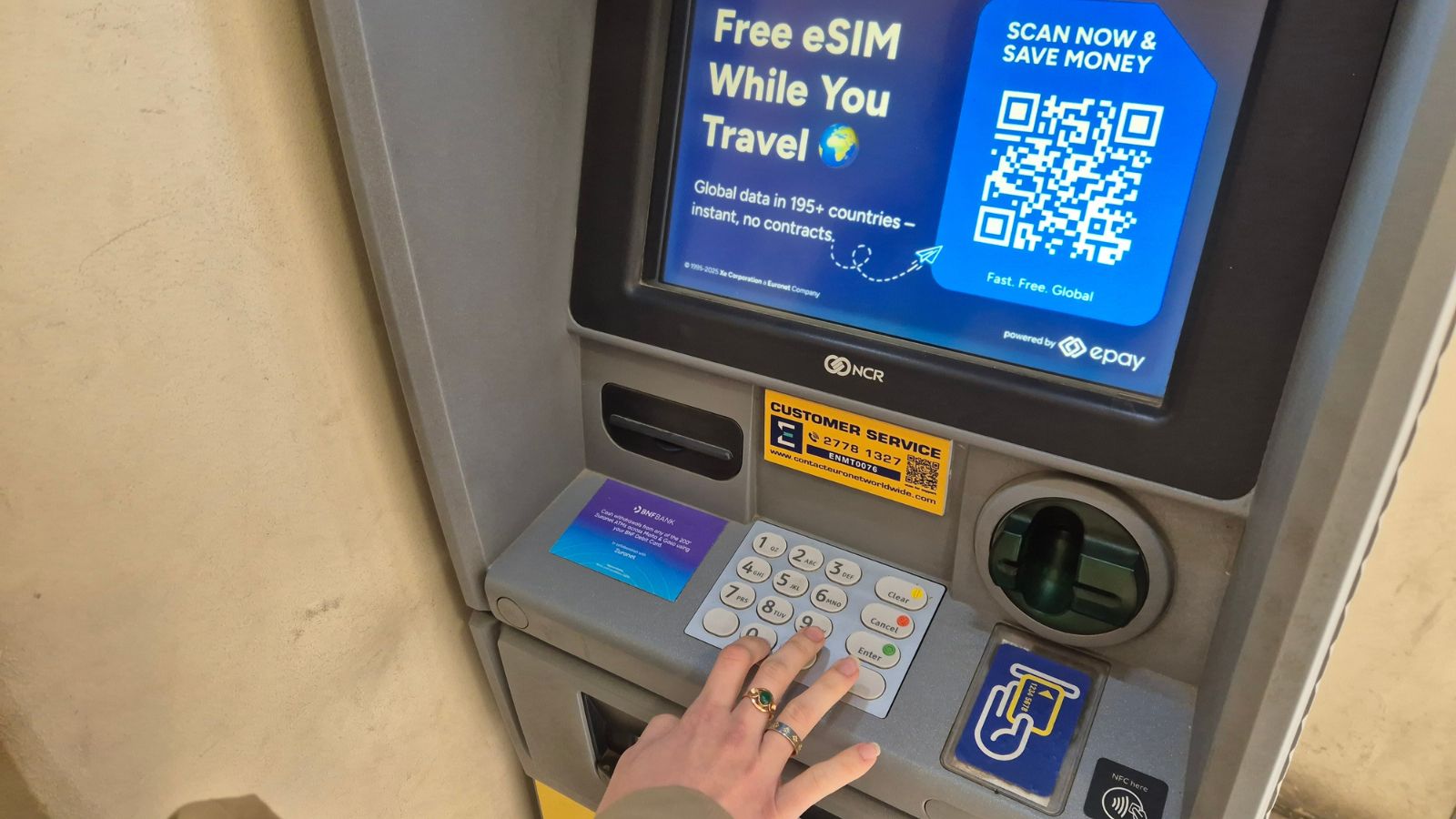
Cash is still useful in many destinations, especially for markets, tips, taxis, small restaurants, beach vendors, and local transit. The problem is that foreign ATM withdrawals can combine several costs at once: local ATM fees, home-bank fees, exchange rate markups, and cash advance charges if a credit card is used. Interest on a credit card cash advance may start immediately, which can make a small withdrawal surprisingly expensive.
A realistic example is a traveller who withdraws the equivalent of $100 for a few days of small purchases, then pays a machine fee, a bank fee, and a conversion markup. Repeating that several times across a trip can cost more than planned. The better habit is to estimate cash needs in advance, use debit rather than credit for withdrawals where appropriate, and avoid unknown standalone machines in high-tourist areas. Convenience is valuable, but it should not become a recurring surcharge.
International Roaming and Daily Phone Passes

Roaming fees can add up quickly because modern travel relies heavily on phones. Maps, boarding passes, ride-hailing, translation apps, restaurant reservations, banking alerts, and family messages all use data. Canadian wireless providers must provide protections around roaming charges, but daily roaming passes and add-ons can still become expensive over a one- or two-week trip.
The trap is that a phone may trigger a daily roaming charge after a small amount of use. A traveller might check a map outside the hotel, receive app notifications, or send one message and activate a full-day fee. Over ten days, that convenience can rival the cost of a travel eSIM or local SIM. Before departure, it is worth checking whether the plan includes roaming, what the daily cap is, how many days can be charged, and whether data roaming should be turned off until needed.
Rental Car Insurance and Counter Add-Ons

Rental cars often look affordable online because the first quote highlights the daily rate. At the counter, the price can change when collision damage waivers, liability upgrades, roadside assistance, additional drivers, GPS, child seats, and prepaid fuel options enter the conversation. Some of these protections may be valuable, but travellers can end up paying twice if their personal auto policy or credit card already provides certain coverage.
Summer road trips make this especially relevant because demand is high and pickup counters can be busy. A tired traveller arriving after a delayed flight may accept several add-ons just to get moving. The result can be a rental that costs far more than expected. Checking coverage before booking helps avoid rushed decisions. It also helps to confirm exclusions, such as luxury vehicles, long rentals, gravel roads, international borders, or rentals not fully charged to the eligible card.
Tolls, Parking, and Hotel Vehicle Fees
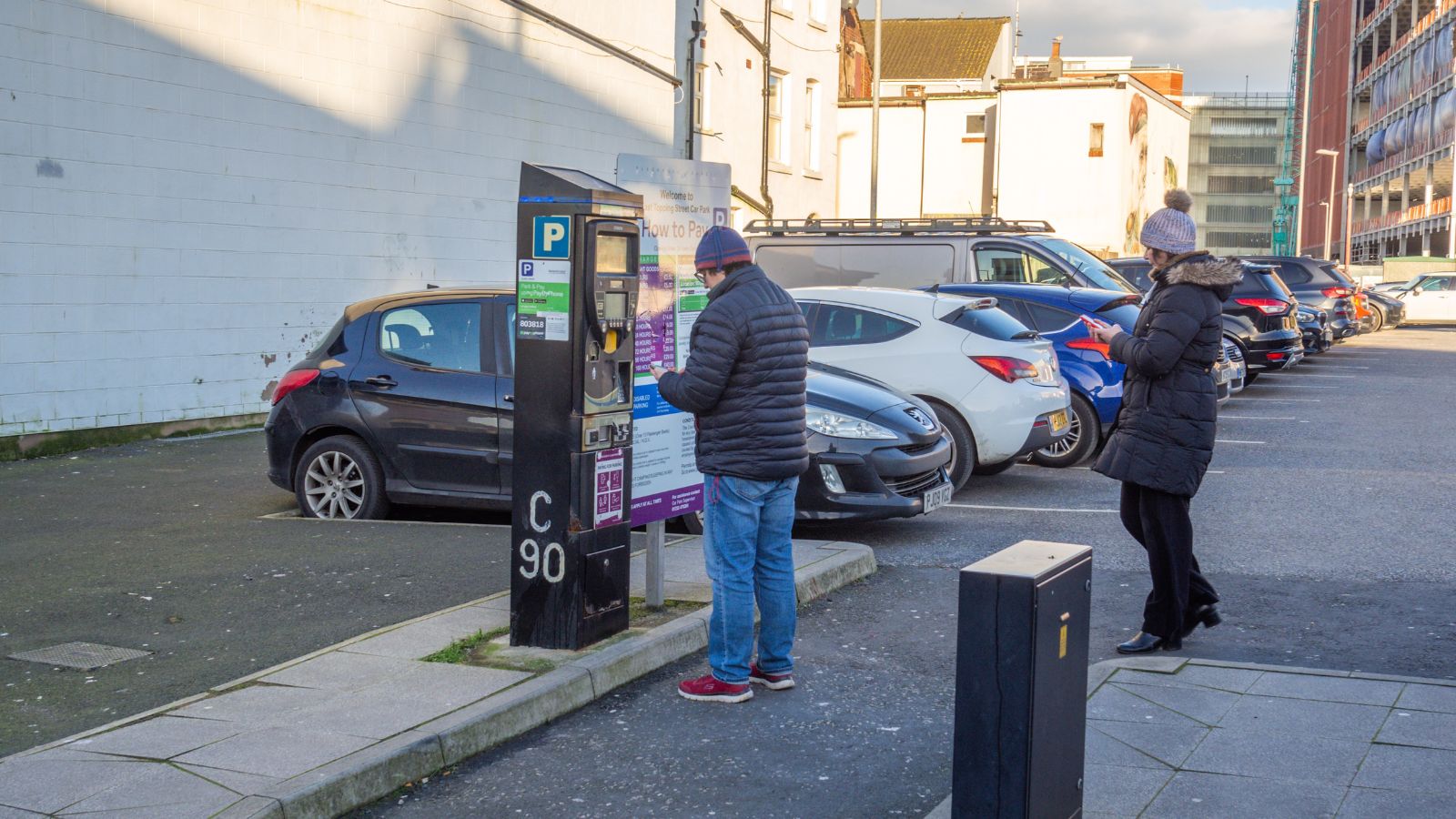
Driving at the destination can carry costs that do not appear in the rental quote. Tolls, transponder rental fees, valet charges, hotel parking, downtown parking taxes, and event parking can change the economics of having a car. In dense cities or resort areas, a vehicle that seems useful may spend most of the trip parked at a daily rate.
This becomes more noticeable during summer festivals, beach weekends, and major events. A hotel with a reasonable nightly rate may charge separately for parking, while nearby lots may raise prices during high-demand periods. Rental companies may also charge administrative fees for tolls or traffic violations processed after the trip. Before booking a car, travellers should compare the full transportation picture: airport transfer, transit passes, ride-share costs, parking, fuel, and tolls. Sometimes the cheapest rental is not the cheapest way to move around.
Accommodation Taxes That Appear Late in Checkout

Hotel and short-term rental taxes vary by city and province, and they can make the final checkout price noticeably higher than the nightly rate. Municipal accommodation taxes, provincial sales taxes, HST or GST, and destination-related levies may apply depending on location. In some cities, temporary increases tied to major events can make summer stays more expensive than travellers expect.
This is particularly important when comparing a hotel, condo rental, and short-term rental across different booking platforms. A room advertised at one price may look cheaper until taxes and mandatory local charges are added. In Toronto, for example, the municipal accommodation tax has had a temporary increase during the 2025 to 2026 period. In British Columbia, short-term accommodation can involve PST, MRDT, and, in Vancouver, additional event-related accommodation taxes. The practical step is simple: compare the final payable total, not the search-result price.
Cleaning and Service Fees on Short-Term Rentals

Short-term rentals can be excellent for families and groups, but the nightly rate is only one part of the cost. Cleaning fees, guest service fees, platform fees, extra guest charges, taxes, and security deposits can appear as separate line items before payment. A rental that looks cheaper than a hotel may become less competitive after those additions, especially for short stays.
Cleaning fees are particularly important because they are often charged per stay rather than per night. That means a two-night weekend getaway absorbs the fee much more heavily than a two-week stay. A family booking a cottage for a summer wedding may also face linen fees, pet fees, barbecue fees, or strict checkout rules that create extra pressure. The fairest comparison is the total trip cost divided by nights and guests, plus any chores or deposits required before leaving.
Resort, Destination, and Amenity Fees

Resort fees are common in many U.S., Caribbean, Mexican, and tourist-heavy destinations that Canadians visit in summer. These charges may be described as amenity, facility, destination, or service fees and can cover items such as Wi-Fi, towels, gym access, bottled water, beach chairs, or local calls. The frustration is that travellers may have to pay even if they do not use the amenities.
These fees can be especially misleading when comparison sites sort hotels by nightly rate. A hotel with a lower room price but a mandatory daily fee may end up costing more than a property that looks pricier upfront. A couple staying five nights at a resort with a daily fee can face a bill that feels like an extra night of accommodation. Some jurisdictions are pushing stronger fee disclosure rules, but the safest habit is still to open the full price breakdown before booking and read the property-fee section carefully.
National Park, Camping, and Reservation Costs

Outdoor travel can feel inexpensive compared with flights and hotels, but camping and park trips have their own hidden costs. Reservation fees, fire permits, shuttle fees, vehicle permits, extra vehicle charges, cancellation fees, and gear rentals can raise the final cost of a supposedly low-budget getaway. Even when admission is discounted or waived, overnight stays and reservation-related charges can still matter.
Summer 2026 brings special Parks Canada discounts and free admission during part of the season, which can help families stretch their budgets. Still, popular sites can book quickly, and travellers may pay more for private campgrounds, last-minute alternatives, or longer driving routes when preferred dates are unavailable. A Banff, Jasper, Gros Morne, or Fundy trip can remain affordable, but only if camping, fuel, meals, park shuttles, and backup lodging are planned together rather than separately.
Flight Disruption Costs Not Covered by Compensation

Flight delays and cancellations can create costs that go beyond the airfare. Meals, hotels, missed tours, cruise connections, car rental changes, pet boarding, and extra childcare may not all be recoverable under passenger protection rules. Canada’s air passenger framework includes rights around treatment, refunds, rebooking, and compensation in certain situations, but not every inconvenience or related loss is covered.
This is where summer connections become risky. A traveller who books separate tickets to save money may have fewer protections if the first flight arrives late and the second booking is missed. A delayed evening flight into a smaller airport can also mean no onward transportation until morning. The hidden cost is the gap between what rules may require and what the traveller personally loses. Buffer time, travel insurance, flexible bookings, and avoiding tight self-made connections can reduce that exposure.
Food, Water, and Airport Price Premiums

Food and drink costs can grow quickly when travel days are long. Airport meals, bottled water after security, hotel breakfasts, resort snacks, highway stops, and convenience-store dinners often cost more than equivalent purchases at home. Families feel this most because every delay multiplies the expense: one delayed flight can mean four airport meals, extra snacks, and drinks before boarding.
The small decisions add up. A traveller may budget for dinners at the destination but forget breakfast at the hotel, lunch during a layover, coffee before a tour, and bottled water during a hot day. Some accommodations charge extra for breakfast, while others offer only limited kitchen access. Packing refillable bottles, checking airport liquid rules, choosing rooms with a fridge, and planning grocery stops can help prevent food from becoming the stealth category that pushes a summer trip over budget.
19 Things Canadians Don’t Realize the CRA Can See About Their Online Income

Earning money online feels simple and informal for many Canadians. Freelancing, selling products, and digital services often start as side projects. The problem appears at tax time. Many people underestimate how much information the CRA can access. Online platforms, banks, and payment processors create detailed records automatically. These records do not disappear once money hits an account. Small gaps in reporting add up quickly.
Here are 19 things Canadians don’t realize the CRA can see about their online income.
