An unheated garage can look like convenient extra storage space until a Canadian winter turns it into something closer to a walk-in freezer. Temperatures can swing sharply, moisture can condense on cold surfaces, and products containing water can freeze, expand or separate. Other belongings may survive the cold itself but suffer when they are repeatedly moved between freezing and heated environments.
Some risks are expensive, such as damaged batteries, pressure washers and musical instruments. Others involve food safety, medication effectiveness or fire hazards. Manufacturer instructions also matter because products that appear similar can have very different temperature limits. These 16 things deserve a warmer, drier or otherwise more appropriate storage location before prolonged winter cold settles in.
Leftover Latex and Water-Based Paint

That half-full can of wall paint is easy to push onto a garage shelf after a renovation, especially when another touch-up may not happen until spring. Unfortunately, many water-based and latex paints specifically carry instructions to protect them from freezing. Benjamin Moore products, for example, commonly include that warning in their storage guidance. Paint is an emulsion containing water and other ingredients that must remain properly dispersed to perform as intended.
After a serious freeze, paint may separate, thicken, develop lumps or become difficult to remix into its original consistency. Sometimes a product survives a brief freeze-thaw cycle, but there is no guarantee that its application, adhesion or appearance will remain unchanged. That can become painfully obvious when a small repair dries with a different texture from the surrounding wall. Leftover paint is better kept tightly sealed in a dry location where the temperature remains above freezing, while still observing the product’s ventilation and safety instructions.
Latex Caulk, Patching Compounds and Water-Based Adhesives

Homeowners often accumulate tubes of caulk, tubs of patching compound and bottles of adhesive beside the workbench. Those products may look durable, but many contain water-based polymers that manufacturers tell customers to protect from freezing. ARDEX, for example, specifies that its acrylic caulk should be stored in a cool, dry place and protected from freezing. Similar warnings appear on various latex patching and sealing products.
The frustrating part is that freeze damage may not be obvious while the container is sitting on the shelf. A cartridge can still squeeze normally but produce material with altered consistency or unreliable performance. For someone sealing a bathtub or repairing drywall in February, discovering the problem halfway through the job can mean scraping everything out and starting again. Pure silicone and specialty products may have different limits, so the label remains the final authority. For water-based repair products, however, indoor storage above freezing is usually the safer winter plan.
Insulin and Other Medicines Labelled “Do Not Freeze”

Medication should never be treated like ordinary household overflow. Health Canada guidance recognizes that some drug products require specific temperature controls and may carry explicit warnings such as “Do not freeze.” Canadian product information for several insulin formulations is especially clear: unopened insulin may require refrigeration around 2°C to 8°C, and frozen insulin should not be used. NovoRapid, for example, specifically states that insulin that has been frozen must be discarded.
A garage is therefore a particularly poor medicine cabinet. Even if the air temperature seems mild during the afternoon, overnight conditions can fall dramatically, and shelves beside exterior walls can become especially cold. The concern is not merely a cracked package. Freezing can change a temperature-sensitive medicine in ways that are not visible from the outside. Canadians should follow the precise storage directions printed on every medication and ask a pharmacist what to do after accidental freezing. A product that looks normal is not automatically safe or effective.
Canned and Home-Canned Food

Stacks of canned soup, vegetables and home-preserved food may appear ideal for garage storage because they require no refrigeration. Cold, however, creates a different problem. The U.S. Department of Agriculture warns that canned foods exposed to sub-zero temperatures can swell as their contents freeze. If seams burst or become damaged, the food should be discarded. Home-canning guidance likewise notes that freezing can break jars or compromise vacuum seals.
Even when containers remain intact, repeated freezing and thawing can soften food and reduce quality. The National Center for Home Food Preservation recommends clean, cool, dark and dry storage, generally around 10°C to 21°C for best quality rather than uncontrolled freezing conditions. A row of preserved tomatoes that took hours to prepare is not worth risking beside the snowblower. A pantry, interior cupboard or suitable basement storage room with stable conditions provides far more predictable protection than an unheated garage exposed to mid-winter temperature swings.
Inkjet Printers and Bottles of Printer Ink
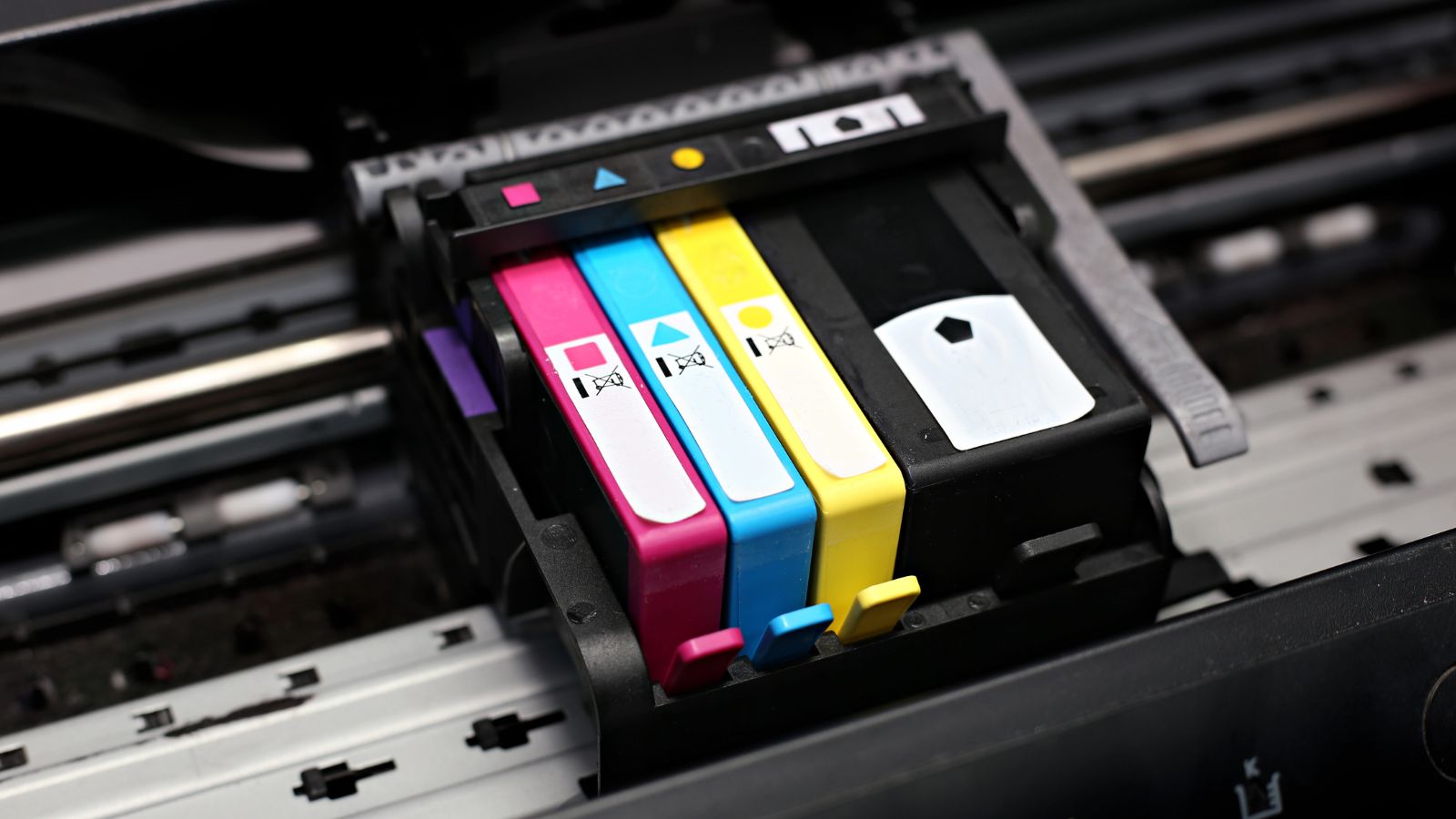
A spare printer often gets banished to the garage when a home office is reorganized. That can be an expensive shortcut when the machine uses liquid ink. Epson Canada specifically tells owners of several EcoTank models not to store ink bottles in high or freezing temperatures. Some professional inks even have published freezing points; Epson documentation for one pigment-ink system lists ink freezing at approximately -10°C.
Freezing is only part of the concern. Printers brought abruptly from a very cold garage into a warm house can also experience condensation as moisture in indoor air meets cold components. Instead of immediately plugging in a frozen machine, electronics generally benefit from time to reach room temperature while remaining dry. Ink bottles are inexpensive compared with an entire printer, yet a leaking, separated or damaged supply can turn a simple storage decision into a messy replacement bill. Printers and liquid ink are much better winter residents of an indoor closet than a garage shelf.
Cordless-Tool Lithium-Ion Battery Packs
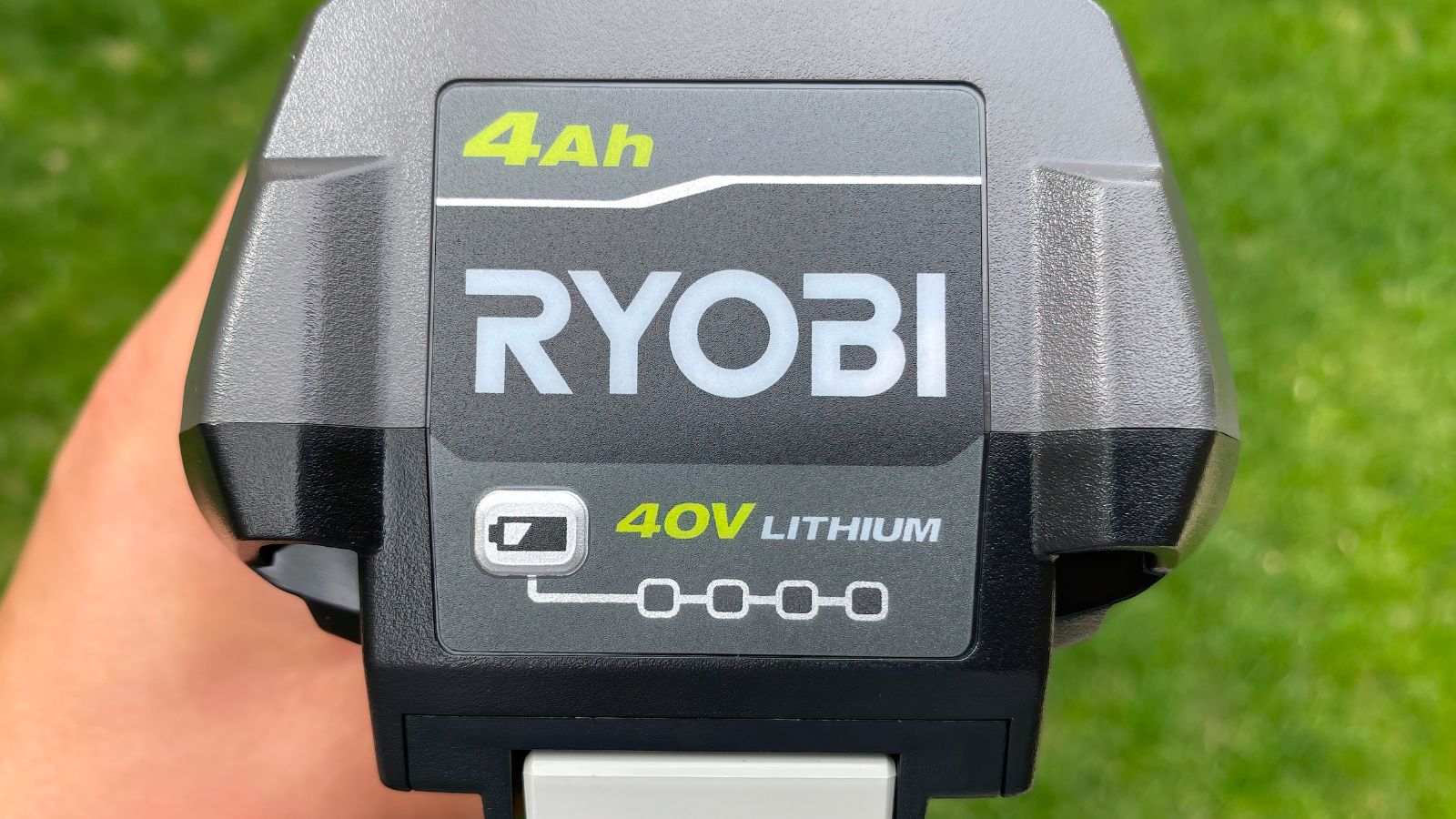
The drill, impact driver and circular saw may be comfortable in the garage, but their removable batteries deserve more consideration. Milwaukee’s lithium-ion battery guidance recommends storing packs at room temperature and away from moisture. DEWALT also notes that batteries that are too cold may not accept a full charge properly; its guidance identifies temperatures below roughly 4.5°C as outside the preferred charging range for certain packs.
Cold operation and cold storage are not identical, and modern tool batteries can often function below freezing. That does not make an uncontrolled garage the ideal place to leave expensive packs for several months. Dampness around terminals is another reason manufacturers emphasize dry storage. A simple routine works well: leave the bulky tools in the garage if their manuals permit it, but remove the rechargeable packs and keep them indoors in a dry location. Before charging a battery that has become very cold, allow it to reach the temperature range specified by its manufacturer.
Discharged Car, Motorcycle and Marine Batteries
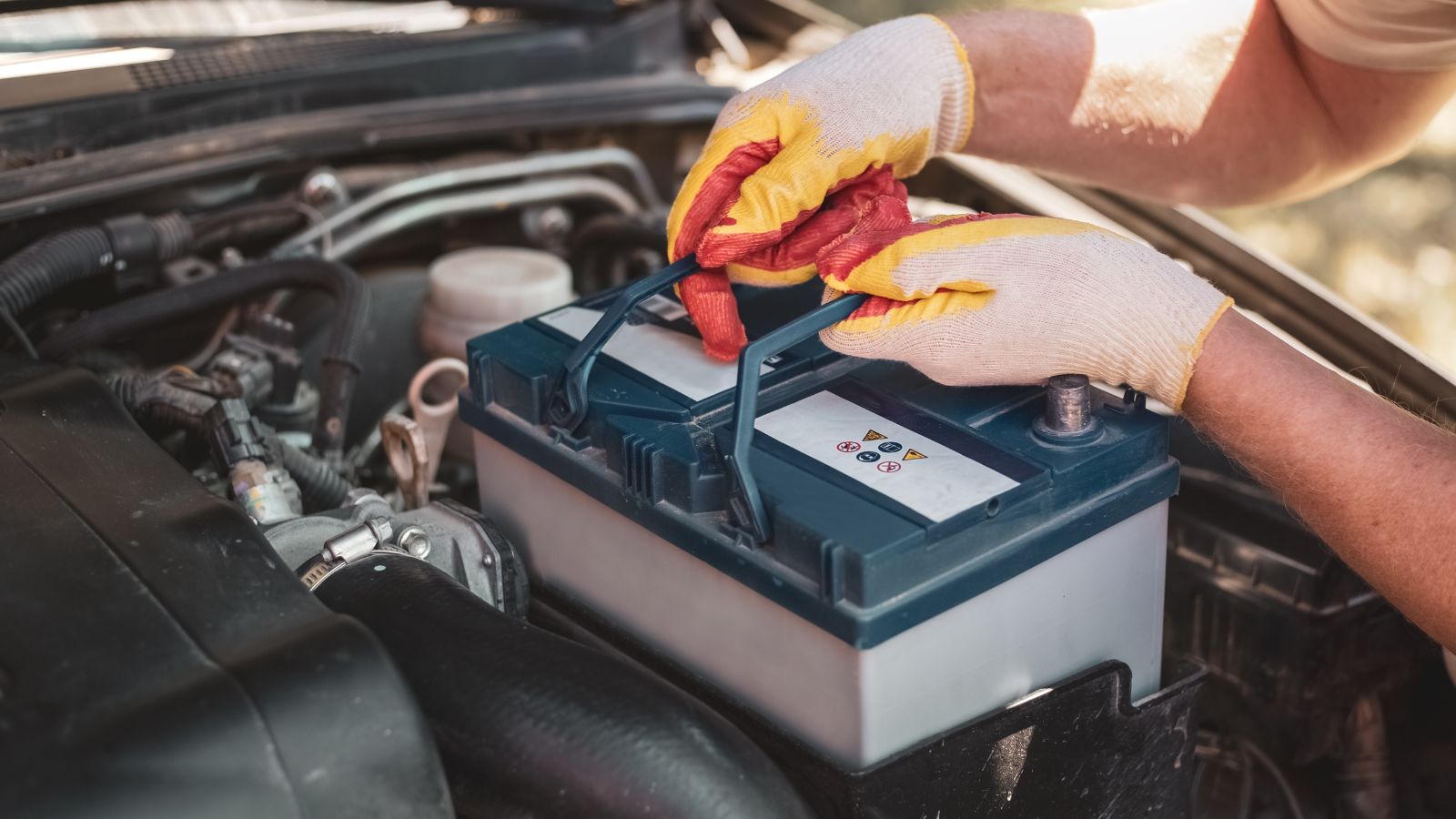
A spare lead-acid battery can become a casualty of winter surprisingly early if it is left discharged. Interstate Batteries says a fully charged lead-acid battery may resist freezing until temperatures approach roughly -60°C, while a discharged battery can freeze at approximately -9°C. That difference explains why a neglected lawn-tractor, motorcycle or boat battery can suffer damage at temperatures that are entirely ordinary during winter in many parts of Canada.
The key issue is state of charge rather than simply whether the garage is heated. Interstate recommends checking stored batteries and maintaining their charge instead of leaving them depleted for months. Freezing electrolyte can damage the battery internally or deform its case, turning what looked like a reusable battery in autumn into an expensive replacement in spring. Anyone storing a removable vehicle battery should follow the manufacturer’s charging, ventilation and maintenance instructions. A cool, dry location is acceptable for many batteries, but a discharged unit abandoned on a freezing garage floor is a particularly poor winter-storage strategy.
Phones, Tablets and Laptops

Old laptops and tablets often migrate into garages because they are used only occasionally. Consumer electronics can tolerate more cold than many people expect, but not indefinitely under every Canadian winter condition. Apple, for example, lists a storage range of approximately -20°C to 45°C for iPhones and iPads and recommends a cool, moisture-free environment for long-term battery health. Those limits matter when a garage is capable of reaching deep-freeze temperatures.
Moisture deserves equal attention. Electronics stored cold can develop condensation after being carried into warm, humid indoor air. A device that has been sitting at -15°C should not immediately be powered up simply because it survived the temperature itself. Long-term storage also requires attention to battery charge; Apple recommends roughly a 50% charge for devices placed in extended storage. Valuable computers, cameras, tablets and phones are easier to protect in a stable indoor closet, particularly when they contain irreplaceable photographs or files alongside costly hardware.
Pressure Washers
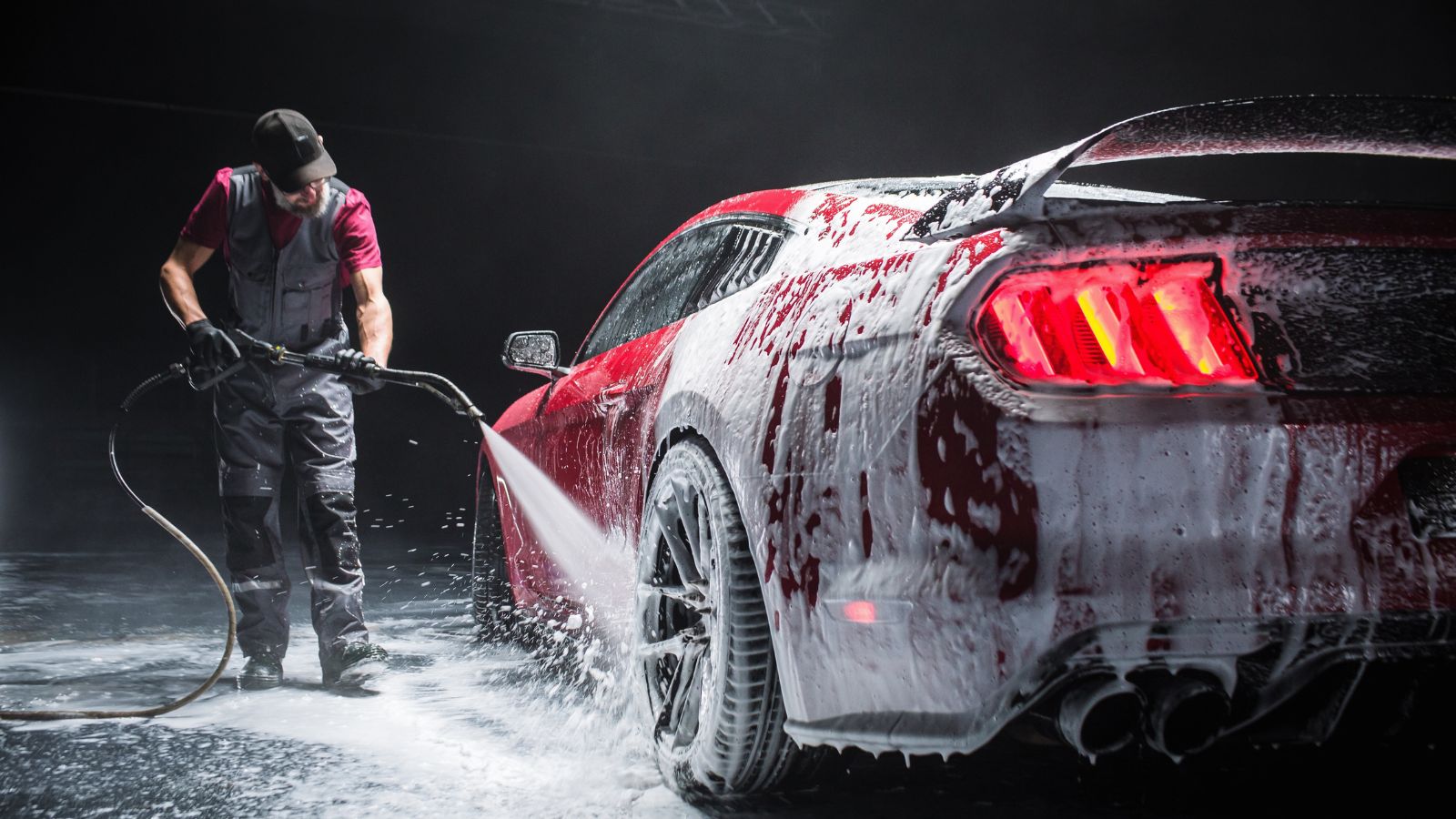
Few garage items demonstrate the power of freezing water as dramatically as a pressure washer. Kärcher warns that frost can destroy a pressure washer when water has not been completely drained from the pump and lines. Its operating instructions tell owners to empty the equipment and keep it in a frost-protected location, with winterizing procedures recommended when frost-free storage is impossible.
A pressure washer may appear empty after the hose has stopped dripping, yet small amounts of water can remain trapped in passages, valves and pump components. Once that water freezes, expansion can place tremendous stress on parts designed to handle liquid flow rather than internal ice. The result may not become apparent until the first driveway cleaning of spring, when the machine leaks or fails to build pressure. Canadians who cannot move a pressure washer indoors should follow the model-specific winterizing instructions, which may include draining procedures or pump-protection fluid. Simply rolling it into an unheated garage is not the same as properly winterizing it.
Wet-Dry Floor Cleaners and Carpet-Cleaning Machines
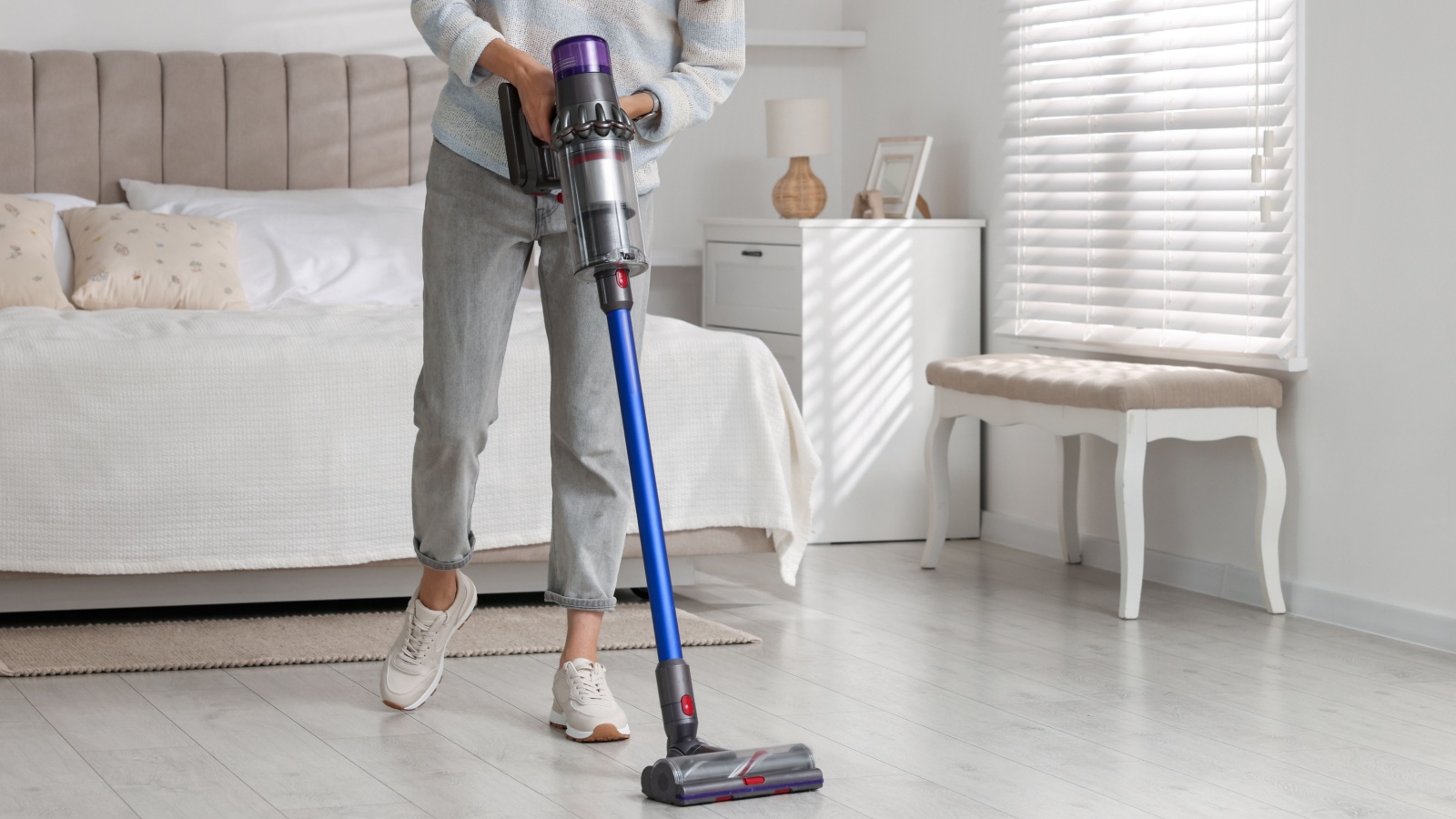
A carpet extractor or wet floor cleaner can suffer the same winter fate as outdoor plumbing. BISSELL explicitly warns that several of its water-using machines should be stored in a protected, dry location where freezing cannot occur. The company states that freezing can damage internal components and, depending on the product, may affect warranty coverage. Emptying the visible tank does not necessarily mean every internal passage is dry.
These machines are particularly easy to forget because they may sit unused for months after fall cleaning. Small quantities of water or cleaning solution can remain inside pumps, hoses and valves. An owner may not notice freeze damage until the next spill requires immediate cleanup and the machine suddenly refuses to spray or begins leaking onto the floor. After the final seasonal use, tanks and accessible components should be drained and cleaned according to the manual. If the manufacturer warns against freezing, the safest location is a heated basement, utility room or other dry interior storage area.
Pesticides and Liquid Lawn Chemicals Marked “Protect From Freezing”

Garden sheds and garages often become the default home for leftover herbicides, insecticides and fungicides. That is not always compatible with the product label. Canadian pesticide labels can contain explicit “PROTECT FROM FREEZING” instructions. Bayer’s Canadian labels for products such as certain fungicides and seed treatments provide clear examples, alongside requirements for secure storage and separation from food or feed.
The important lesson is not that every pesticide has identical winter requirements. They do not. The legally approved label for the exact product determines how it must be stored and handled. Freezing can alter formulations, cause ingredients to separate or damage containers, depending on the chemistry involved. Rather than assuming a jug is safe because it survived the previous winter, Canadians should read the storage section before temperatures fall. Products that cannot be maintained within their labelled conditions may need to be moved to an appropriate secured location or disposed of through a local hazardous-waste program according to provincial and municipal rules.
Car-Wash Soap, Spray Wax and Other Water-Based Detailing Liquids
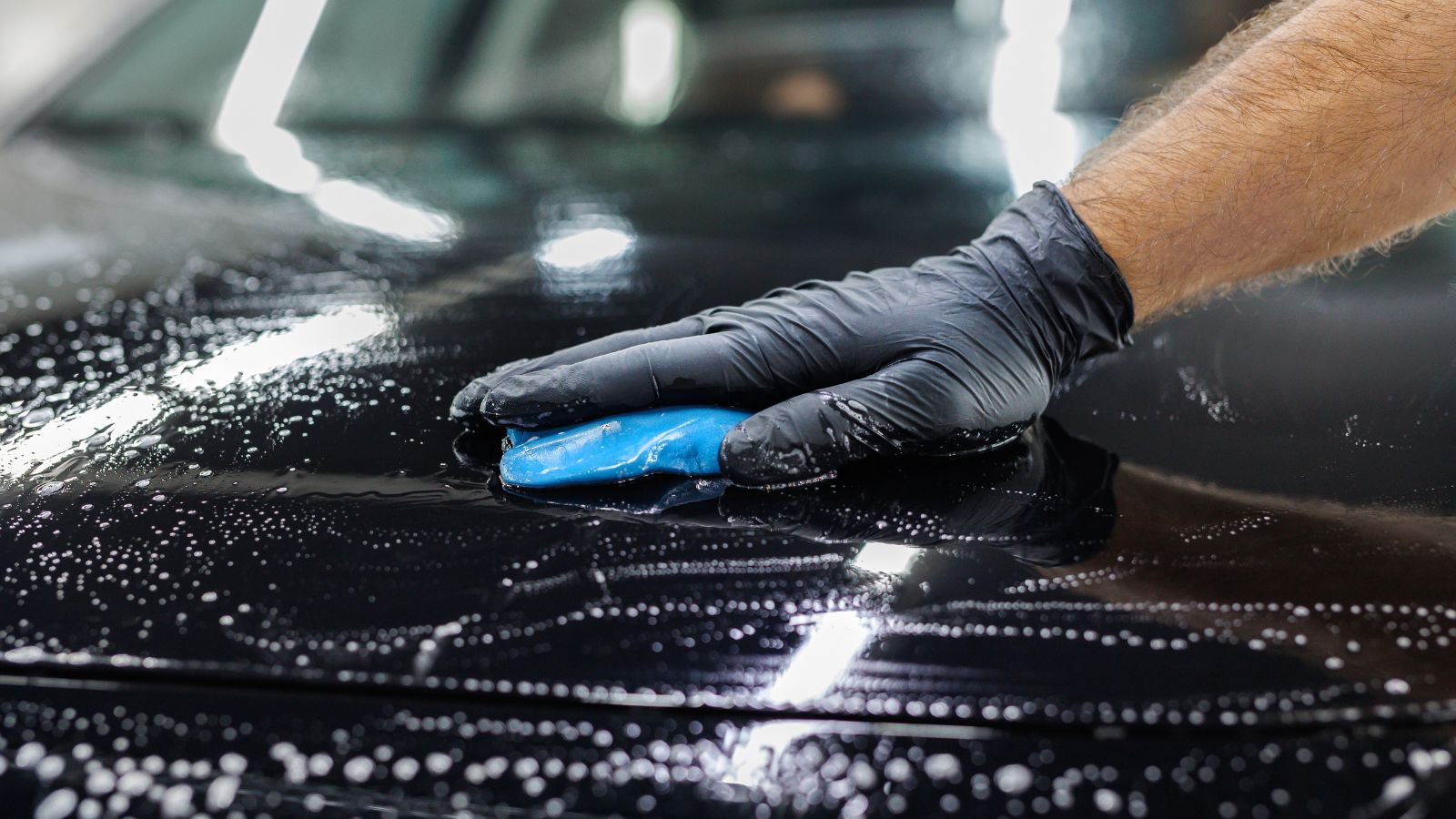
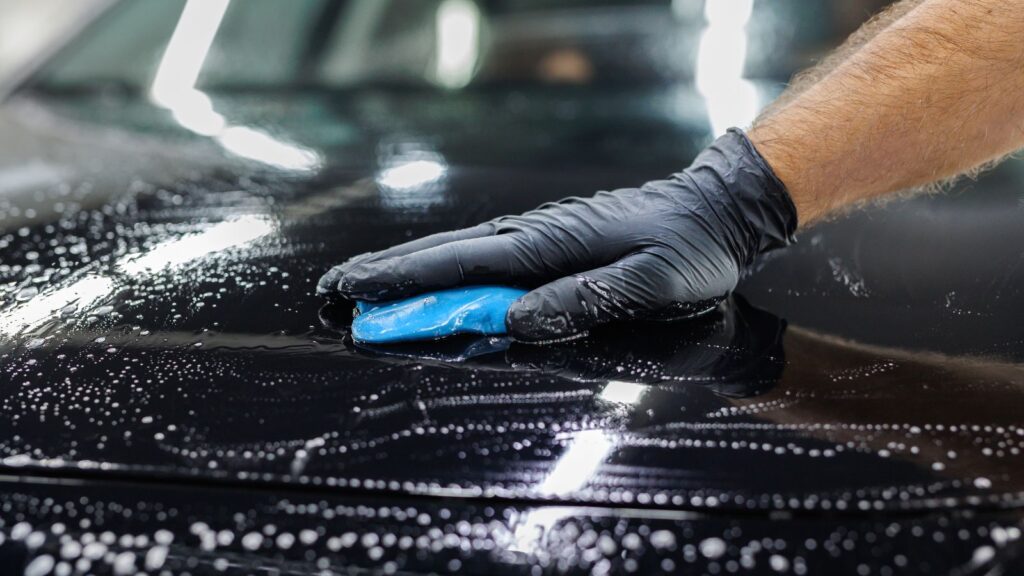
The garage shelving beside the car is an obvious place for wash soap, spray wax and detailing chemicals, but many water-based products are labelled to avoid freezing. A 3M car-wash soap instruction sheet, for example, specifically says to protect the product from freezing. Other automotive cleaning and waxing products carry similar storage directions because their emulsions and blended ingredients can be affected by temperature extremes.
Not every bottle becomes useless after one cold night; some manufacturers provide procedures for thawing and remixing particular formulas. That is precisely why the label should be checked instead of relying on a blanket assumption. A garage that repeatedly cycles between thawing daytime temperatures and hard overnight freezes exposes products to conditions very different from a controlled storeroom. Moving water-based detailing supplies indoors before winter costs little and may prevent separation, leaking containers and disappointing results when spring arrives. Solvent-based or flammable automotive products require their own fire-safe storage precautions and should never simply be moved beside a furnace or ignition source.
Wooden Musical Instruments

A guitar case may protect against scratches, but it cannot create its own stable climate in a freezing garage. Yamaha recommends storing acoustic guitars where temperature and humidity vary as little as possible and identifies roughly 45% to 55% relative humidity as a suitable range. Its violin guidance similarly emphasizes stable environmental conditions, while wooden wind-instrument guidance warns that rapid temperature and humidity changes can contribute to cracking.
Wood gains and loses moisture as surrounding conditions change. On an instrument built to precise tolerances, that movement can affect necks, joints, fingerboards, soundboards and finishes. Trouble may become especially noticeable when a deeply chilled instrument is brought straight indoors and immediately played. A decades-old guitar handed down through a family deserves better treatment than a snow shovel. Instruments should remain cased in a stable indoor environment, and very cold instruments should be allowed to acclimatize gradually before use. Repairs to cracked or warped musical instruments can easily cost far more than finding indoor storage space.
Wooden Furniture and Heirloom Pieces
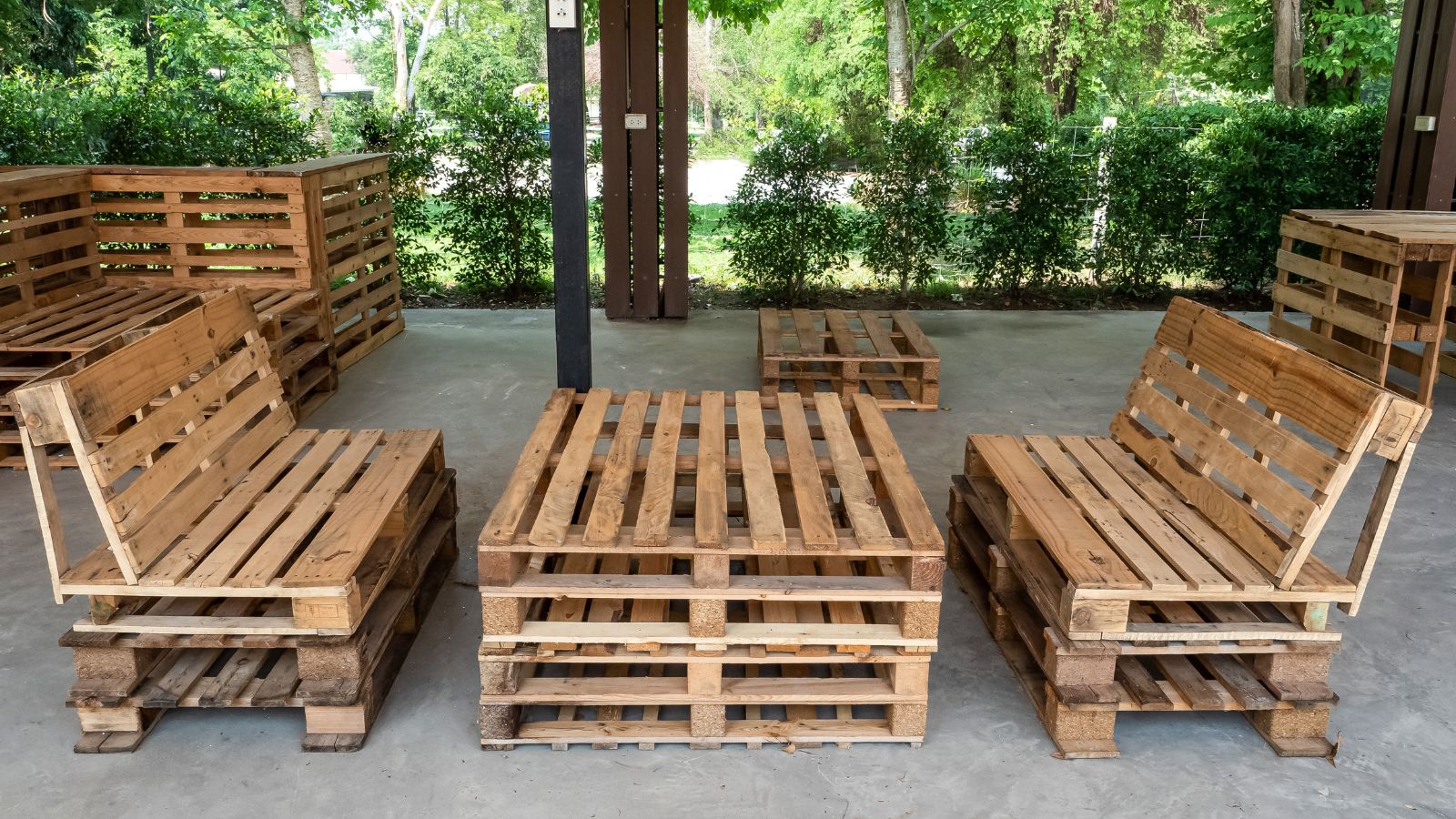
A spare dining chair or antique side table may seem too bulky to keep indoors, making the garage an attractive compromise. Canada’s own conservation experts advise otherwise. The Canadian Conservation Institute states that attics, basements and garages are poor places to store furniture because of fluctuating environmental conditions. Wood absorbs moisture when humidity rises and releases it when conditions become drier, causing small but repeated dimensional changes.
Over time, those cycles can lead to splitting, cracking, loose joints or damage to finishes. High humidity can also encourage mould. The danger is particularly relevant for older furniture assembled with traditional joints, veneers or delicate finishes, although ordinary solid-wood pieces can move as well. Covering furniture with a sheet helps with dust but does not regulate relative humidity or temperature. Sentimental pieces, antiques and good-quality wood furniture belong in a more stable area whenever possible. When space is limited, controlled indoor storage is far less costly than repairing lifted veneer or a cracked heirloom tabletop.
Important Documents, Certificates and Paper Records

A plastic tote may make the garage look like a secure place for tax records, certificates, old letters and family documents. The Canadian Conservation Institute gives much more cautious advice: important papers should not be stored in garages, which it describes as environments that are generally too humid. Paper readily responds to moisture, and prolonged damp conditions can encourage distortion, staining and mould.
Documents are also vulnerable to pests, water intrusion and repeated environmental swings. A watertight-looking box cannot always solve the problem because moisture already trapped inside may remain with the contents. Canadian conservation guidance recommends acid-free materials for valuable documents and suitable rigid storage boxes rather than ordinary acidic cardboard for long-term preservation. Financial paperwork can often be replaced eventually; birth certificates, handwritten letters and historical family records may be much harder to recover. A dry interior closet, preferably above floor level and away from plumbing, offers considerably more dependable protection than a garage wall that cycles between winter frost and spring dampness.
Propane Cylinders
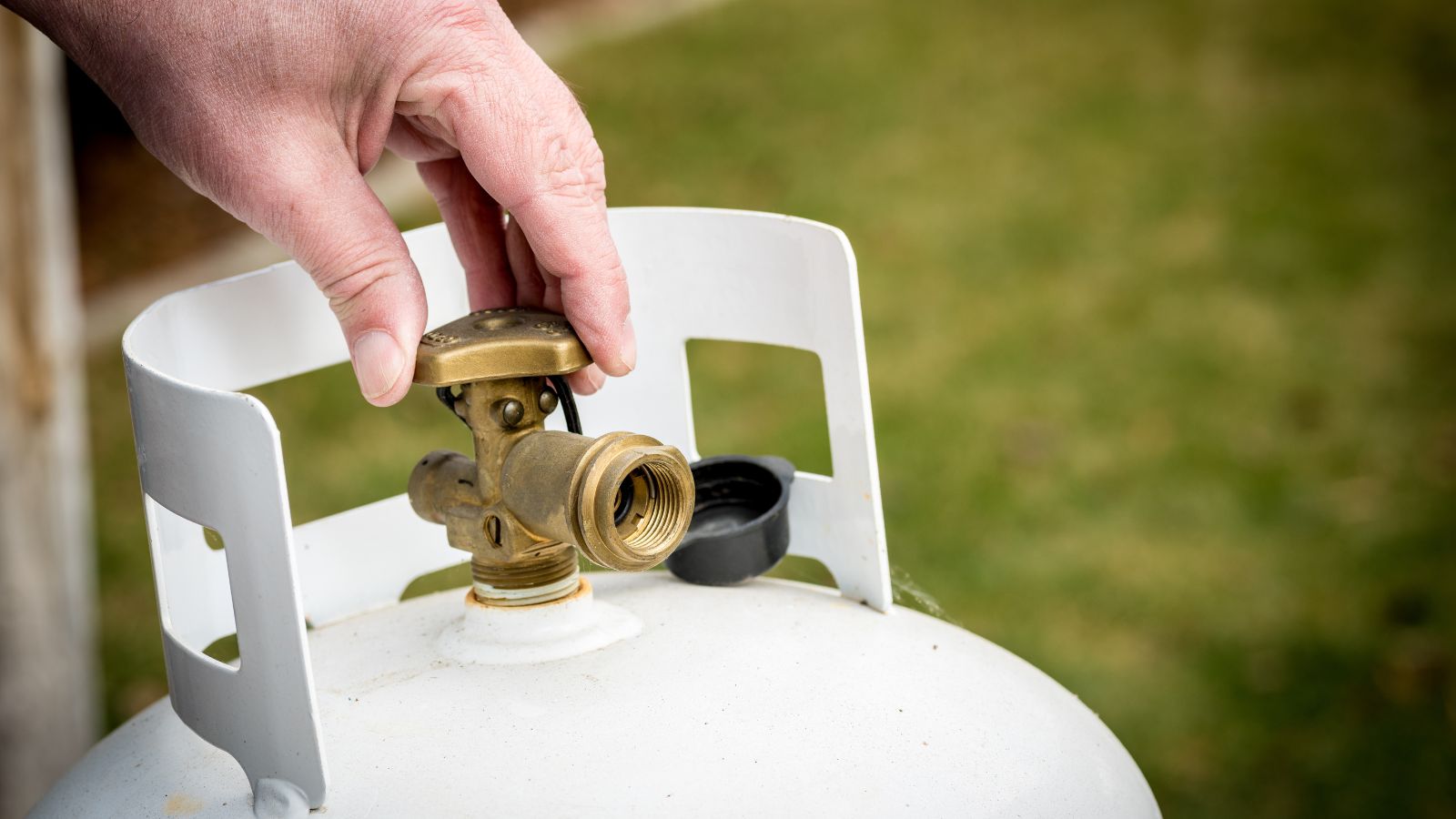
Propane cylinders are different from nearly everything else on this list: the reason to remove them from the garage is primarily fire and explosion safety rather than freeze damage. The Canadian Propane Association says propane cylinders should be used and stored outdoors, upright, in a stable and well-ventilated area. Canadian municipal fire departments likewise warn against storing cylinders inside a building, including a garage.
Propane is heavier than air. If a cylinder or valve leaks in an enclosed space, escaping gas can collect near floor level, where an ignition source can create a serious hazard. A furnace, water heater, electrical equipment or other spark source can turn an unnoticed leak into an emergency. The correct winter arrangement is therefore not to move the tank deeper into the garage or beside a heater. Cylinders should be stored outdoors according to applicable local rules, manufacturer instructions and fire-code requirements, secured upright and away from ignition sources, openings and places where they could be struck or tampered with.
16 Costco Canada Habits That Could Be Costing Shoppers More Than They Save
The Executive Membership can feel like an obvious upgrade because the 2% annual reward sounds straightforward. For households that spend heavily at Costco Canada, the extra fee may be easy to justify. But the habit becomes costly when shoppers upgrade first and calculate later. A Gold Star Membership costs less, while Executive costs more and only pays off if eligible annual spending is high enough to offset the difference.
16 Costco Canada Habits That Could Be Costing Shoppers More Than They Save
