
Canadian winters have a way of turning small household problems into expensive emergencies. A slightly clogged gutter can become an ice problem, an overlooked exterior tap can lead to frozen plumbing, and a neglected heating system can choose the coldest night of the year to stop cooperating. Autumn offers a valuable window to catch those weaknesses while repairs are still relatively straightforward.
These 15 fall maintenance jobs focus on the parts of a Canadian home most exposed to cold, snow, ice, moisture and prolonged heating demand. Some take only minutes, while others are better handled by qualified professionals. Together, they can reduce the chances of inconvenient breakdowns, water damage and avoidable energy waste once winter settles in.
Service the Heating System Before the First Real Cold Snap

A furnace, boiler or heat pump may seem perfectly healthy after sitting mostly idle through summer, but fall is the better time to discover a worn component than a January night at -20°C. Natural Resources Canada recommends regular servicing of residential heating equipment, with maintenance requirements depending on the system. A technician can inspect controls, burners, heat exchangers, connections and other components that are difficult for a homeowner to evaluate safely. The goal is not simply efficiency; combustion equipment also needs to operate and vent properly.
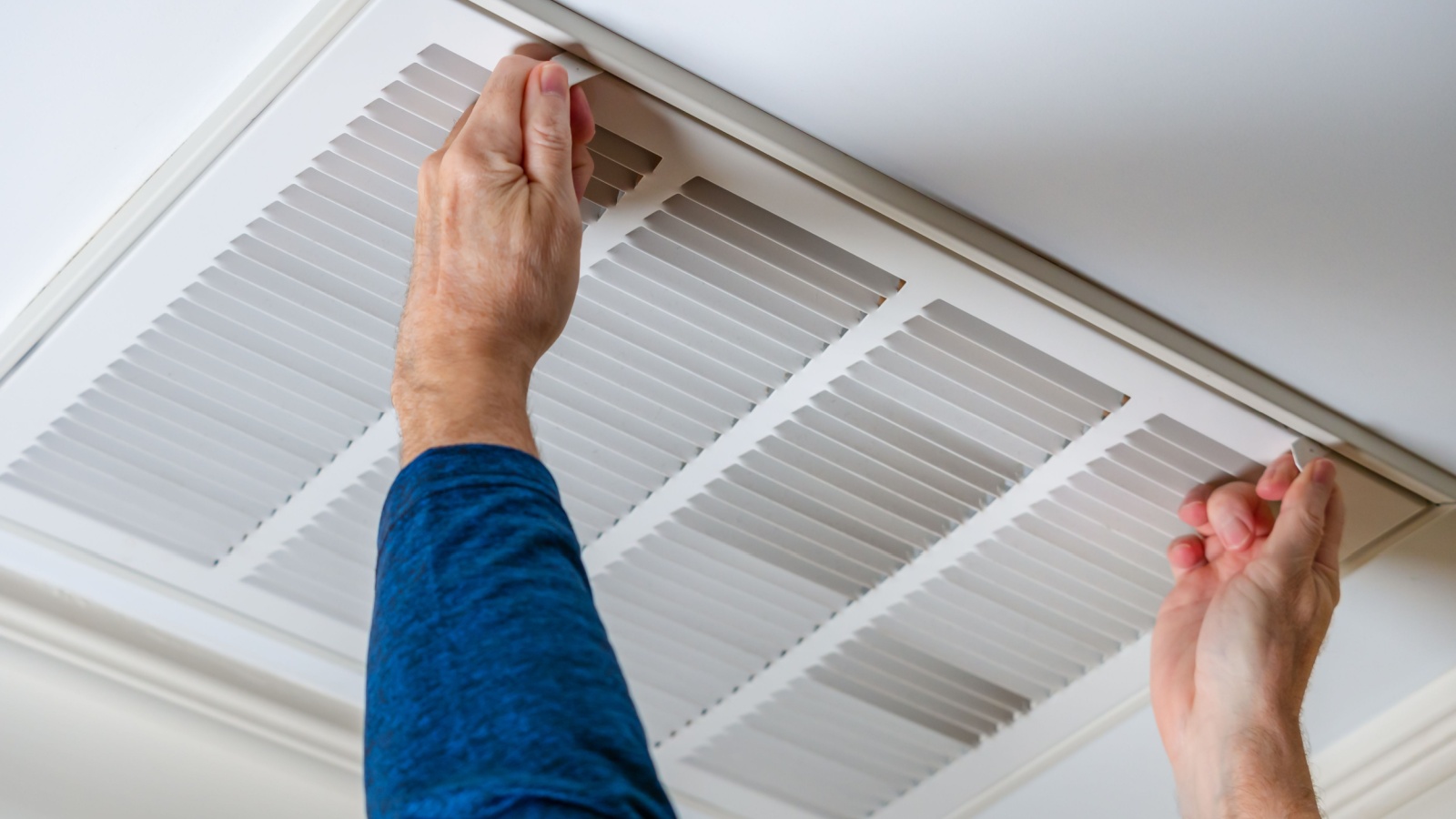
Filters deserve attention as well. NRCan advises inspecting, cleaning or replacing HVAC filters regularly and notes that a dirty filter can raise operating costs and potentially damage equipment. Some federal guidance uses roughly three months as a general filter interval, although the manufacturer’s instructions should take priority. A homeowner who cannot remember the last filter change has found an easy fall job with an outsized payoff: better airflow before the furnace begins running for hours every day.
Have the Chimney and Wood-Burning Equipment Checked

For households that rely on a wood stove or fireplace during cold weather, fall chimney maintenance belongs near the top of the list. Health Canada recommends having a wood-burning fireplace chimney cleaned every year, while federal home-maintenance guidance also calls for regular inspection of solid-fuel equipment. Creosote deposits, blockages, deteriorated components and venting problems are easier to address before fires become part of the nightly routine.
There is also an indoor-air reason to take the job seriously. Fuel-burning appliances can produce carbon monoxide and other combustion pollutants when something is wrong with the appliance or its venting. A family may use a fireplace only on weekends, but that does not make a blocked or damaged flue harmless. Autumn is the sensible time to arrange professional work because chimney companies often become busier once temperatures fall. It also leaves enough time to deal with damaged caps, masonry or flashing instead of discovering a problem after snow has made roof access difficult.
Test Smoke and Carbon Monoxide Alarms
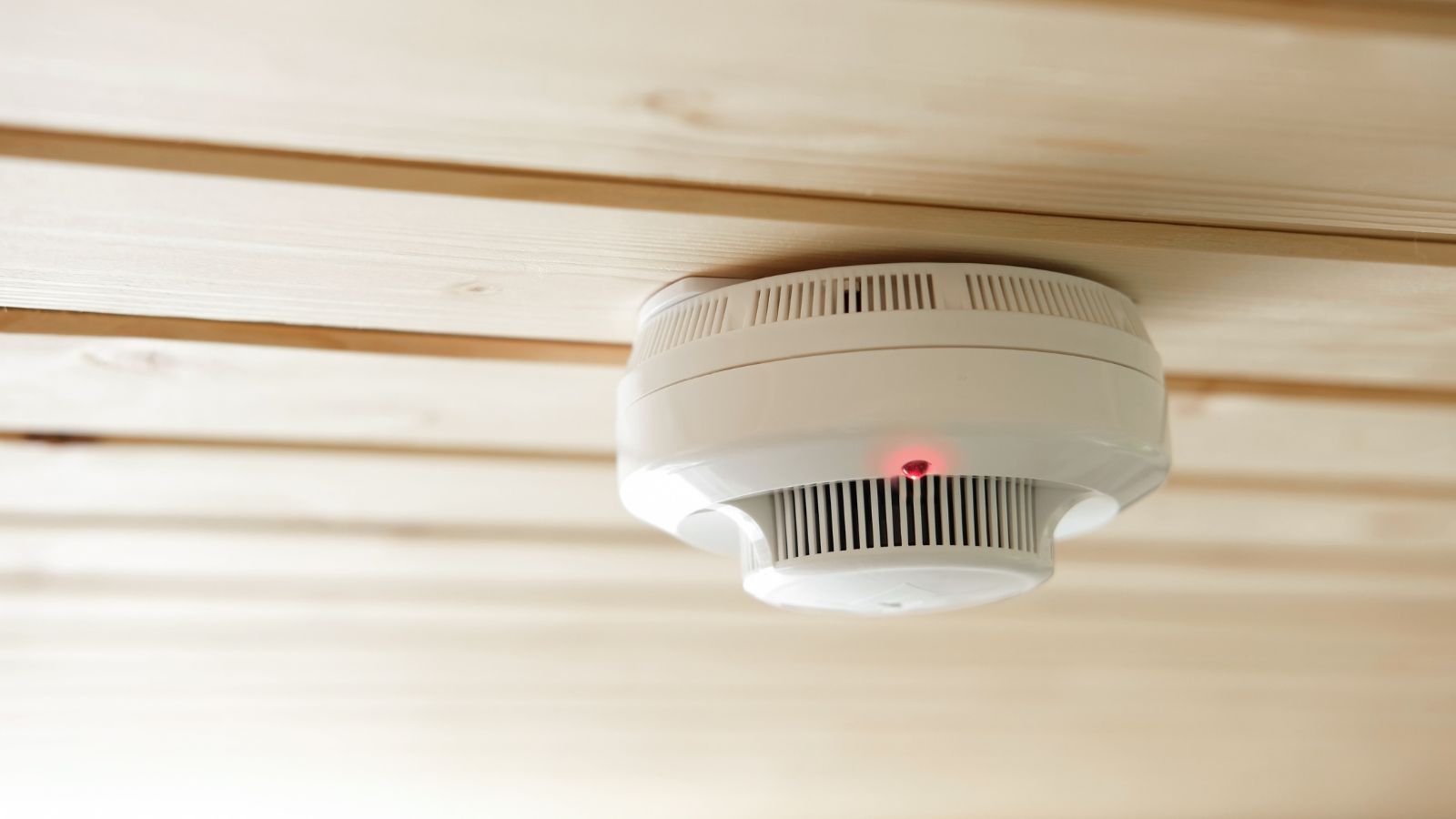
Fall maintenance is not complete without checking the small devices intended to warn occupants when something has gone badly wrong. Health Canada recommends testing smoke alarms every month, changing batteries according to the manufacturer’s instructions and replacing smoke alarms that are more than 10 years old. Carbon monoxide alarms should also be tested regularly and replaced according to their stated service life.
The timing matters because Canadian homes generally become more closed up as temperatures fall, while furnaces, fireplaces and other fuel-burning equipment begin operating more frequently. Carbon monoxide cannot be seen, smelled or tasted, which means a functioning alarm is essential for detecting it. A practical fall check can include pressing each test button, looking for expiry dates, replacing weak batteries and confirming that alarms have Canadian certification marks. In a large home, it is also worth making sure an alarm can actually be heard from bedrooms with the doors closed. A few minutes of maintenance is considerably easier than discovering during an emergency that an alarm has quietly reached the end of its life.
Clean the Eavestroughs and Make Sure Downspouts Drain Away
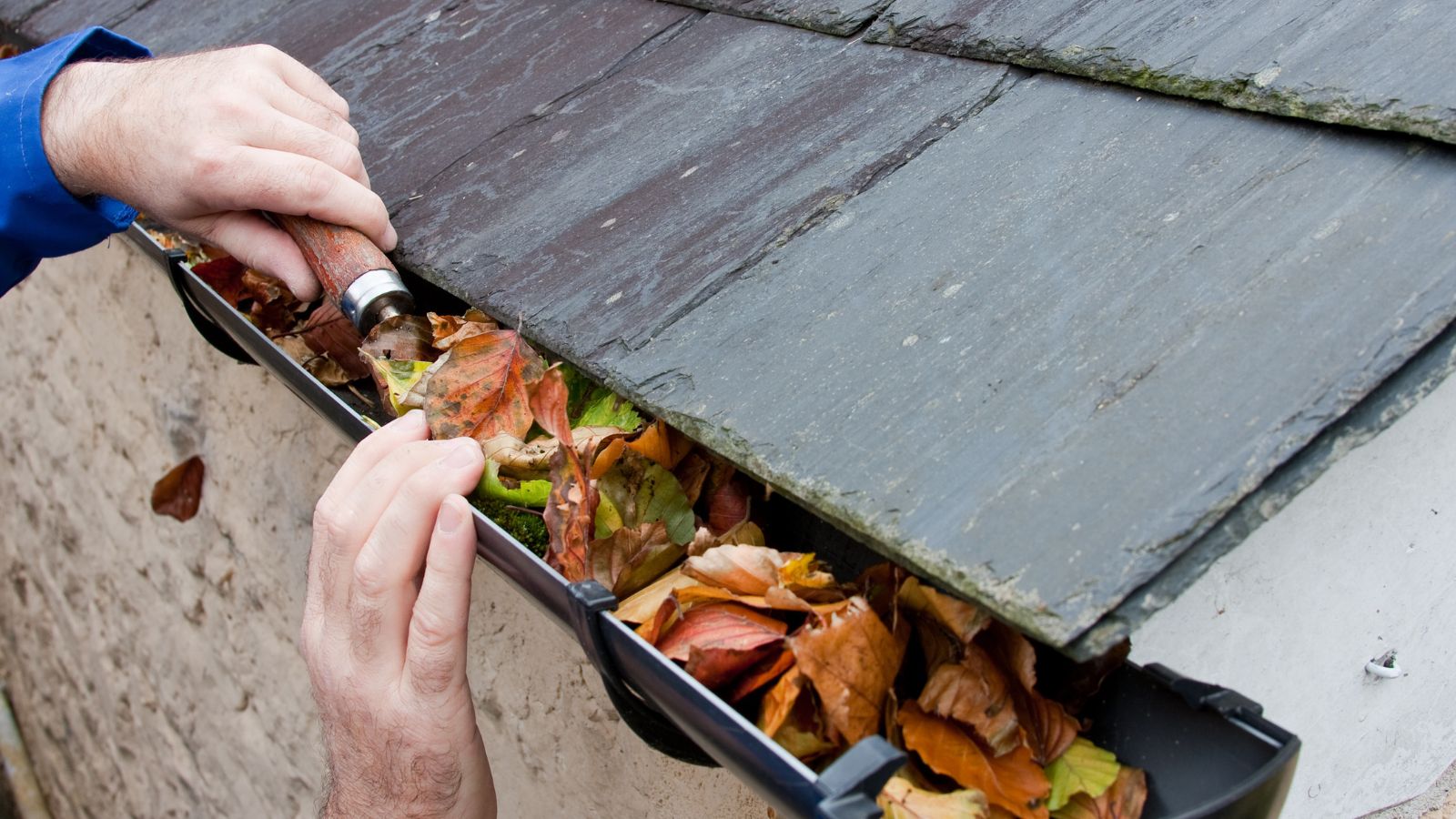
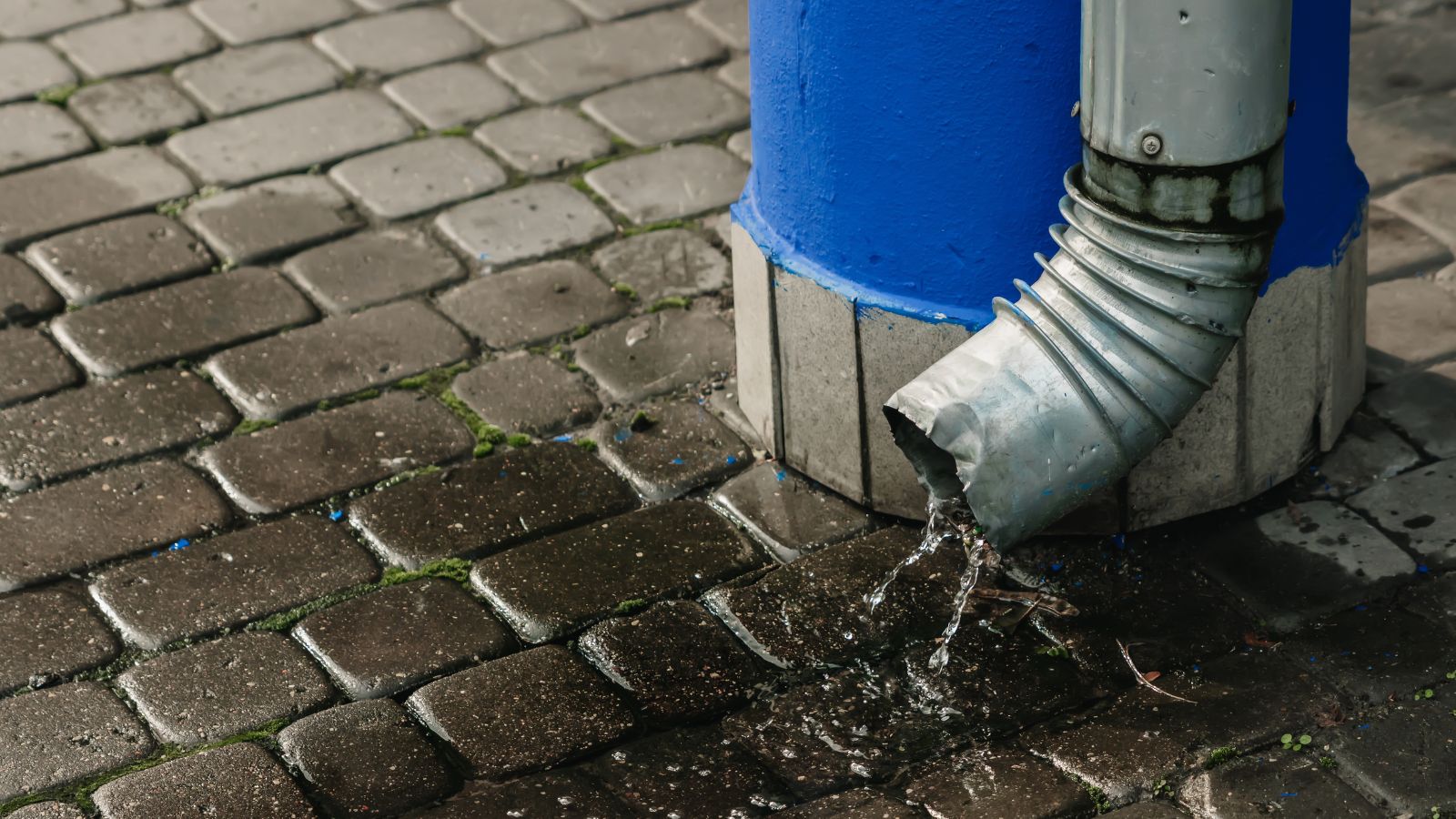
Autumn leaves have an impressive ability to collect exactly where homeowners do not want them: in eavestroughs and downspouts. Canada’s federal flood-preparedness guidance recommends cleaning these drainage components twice a year. A fall cleaning removes leaves, twigs and sediment before freezing temperatures turn a slow-moving drainage problem into a solid blockage.
The destination of the water matters just as much as getting it out of the gutter. Federal preparedness guidance recommends keeping downspouts clear and directing discharge roughly two metres away from the foundation where practical. Water that collects beside a house can find its way through basement openings and foundation cracks, particularly during thaws. Clogged eavestroughs can also contribute to overflow and icing along roof edges. A useful final check is to run water through the system and watch where it goes. If it spills over a joint, backs up or creates a puddle against the house, there is still work to do before winter.
Inspect the Roof While It Is Still Safe to Repair

A roofing problem that looks small in October can become much harder to ignore once it is covered by snow. A fall inspection should look for missing, curled or damaged shingles, loose materials and trouble around flashing near chimneys, skylights and vents. Signs of previous leaks inside the attic are equally important because stains or damp sheathing can reveal a problem that is not obvious from the driveway.
Natural Resources Canada notes that roof or flashing failures can allow moisture into attics and identifies valleys, chimneys and other flashing locations as common trouble spots. Winter adds another complication: melting snow can refreeze near cold eaves, producing ice dams that may push water back underneath roofing materials. Repairs are generally simpler before ladders, shingles and roof surfaces are covered in frost. Homeowners should resist the urge to turn inspection into a risky DIY climbing job; binoculars, ground-level observations and an attic check can identify obvious concerns, while questionable roofs are better examined by a qualified contractor.
Check Attic Insulation, Air Leaks and Ventilation

The attic may be out of sight for most of the year, but it becomes one of the busiest parts of the building envelope during a Canadian winter. Warm, moist indoor air can move through ceiling penetrations and condense or freeze once it reaches a cold attic. Natural Resources Canada identifies leaks around plumbing stacks, wiring, exhaust ducts and attic hatches as potential trouble spots and recommends checking insulation for moisture, gaps and uneven coverage.
Ventilation also needs to remain unobstructed. Soffit and roof vents blocked by insulation or debris can interfere with airflow, while air leakage from the house below can contribute to frost and moisture accumulation. Those same temperature differences play a role in ice-dam formation. A fall inspection should therefore look for wet insulation, stained sheathing, blocked vents and poorly sealed attic access doors. Fixing the source is more important than simply adding more insulation. Covering damp materials without correcting a leak or air pathway can hide the problem rather than solve it.
Replace Failed Weatherstripping and Seal Air Leaks

A cold draft around a window may feel like a comfort problem, but it also signals uncontrolled air movement through the building envelope. Natural Resources Canada describes comprehensive air-leakage control as one of the most important home energy-efficiency measures and recommends using appropriate caulking, gaskets and weatherstripping to close gaps around windows, doors and other penetrations.
Fall is ideal for finding these leaks because outdoor temperatures are cool enough to make drafts noticeable while many sealants can still be applied under suitable conditions. Door sweeps, compressed weatherstripping, cracked caulk and gaps around trim are reasonable places to start. The correct material matters: weatherstripping is generally suited to moving joints such as an operable door or window, while caulking is typically used at fixed joints. A modest gap can become much more noticeable during a windy January cold snap. Sealing it beforehand can improve comfort, reduce unnecessary heat loss and lessen the chance of cold air reaching vulnerable plumbing hidden near exterior walls.
Disconnect Garden Hoses and Drain Exterior Faucets
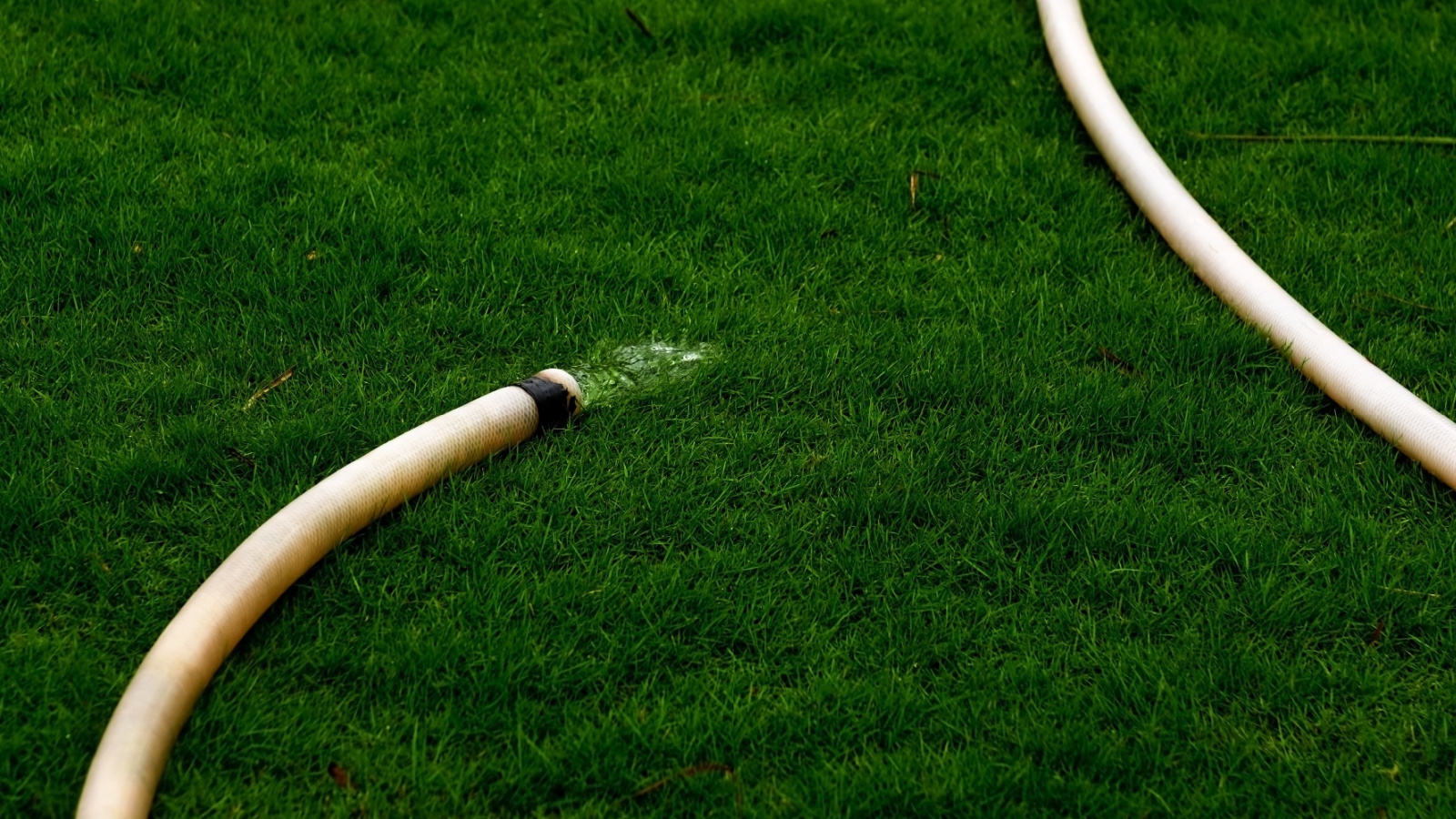
A garden hose left connected to an outdoor faucet can become an unexpectedly expensive souvenir of summer. Municipal winter-preparation guidance from cities including Toronto and Winnipeg warns that outdoor faucets are among the first plumbing components vulnerable to freezing. Before prolonged freezing weather arrives, hoses should be disconnected, the interior shutoff supplying the exterior faucet should be closed where one exists, and remaining water should be allowed to drain.
The risk is easy to overlook because the visible faucet may appear perfectly normal. Water trapped farther back in the line can freeze and expand, potentially damaging plumbing inside the wall. The leak may not even become apparent until conditions warm and the pipe thaws. Irrigation and other seasonal outdoor-water systems may require additional winterizing according to their design and manufacturer instructions. The simplest routine is to make hose removal part of the last garden cleanup of the year. Once outdoor watering is finished, leaving pressurized water sitting in an unnecessary exterior line offers little benefit and considerably more winter risk.
Protect Pipes in Cold Areas and Locate the Main Shutoff
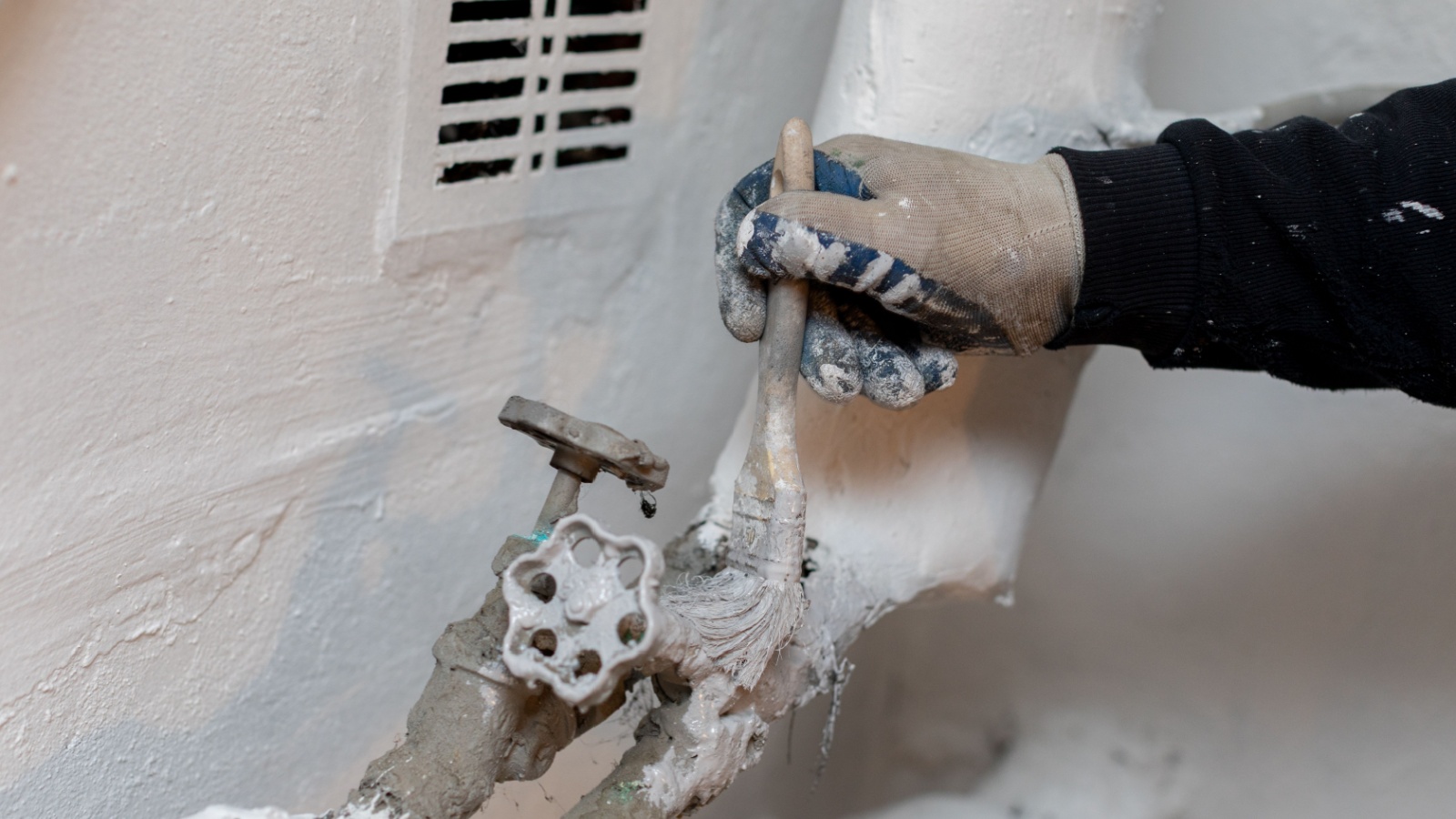
Plumbing running beside exterior walls, through garages, crawlspaces or other poorly heated locations deserves a fall inspection. Toronto and Winnipeg both recommend insulating pipes that are particularly vulnerable to freezing, commonly using foam pipe insulation. Sealing nearby drafts can also help because cold air entering around doors, wiring, vents or wall penetrations can chill a pipe even when the rest of the room feels reasonably warm.
Just as important is knowing how to stop the water if prevention fails. Municipal guidance recommends locating the home’s main water shutoff before an emergency occurs. A burst pipe can release water quickly once it thaws, and searching through a crowded basement for an unfamiliar valve wastes valuable time. Homeowners can label the shutoff and make sure household members know where it is, without forcing a valve that appears seized or damaged. The job costs almost nothing, yet it can change a plumbing failure from a prolonged uncontrolled leak into a problem that is contained while a plumber is called.
Test the Sump Pump, Backup and Backwater Protection
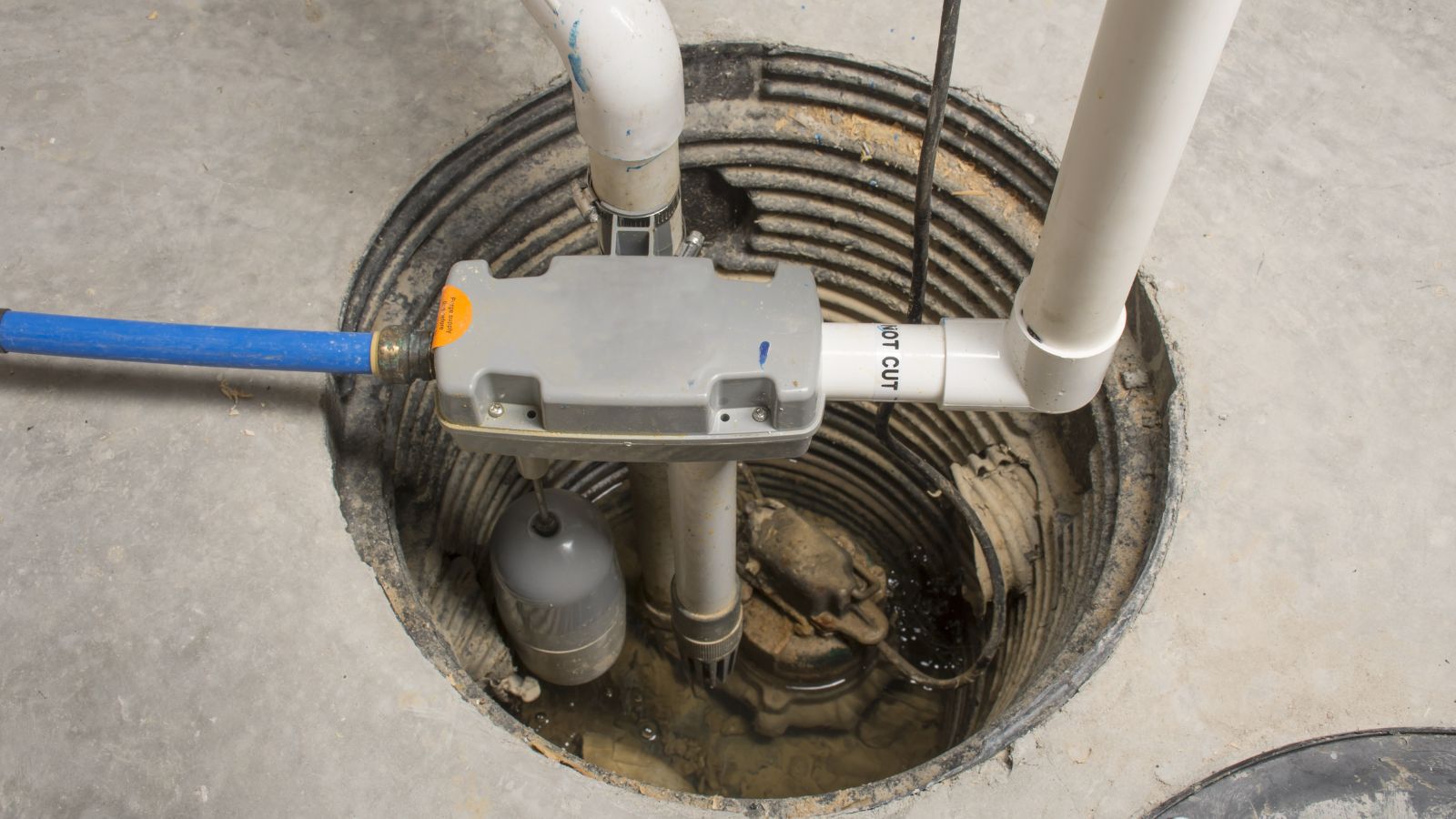
Homes equipped with sump pumps depend on machinery that may sit quietly for long periods and then suddenly be expected to handle snowmelt or heavy rain. Current federal flood-preparedness guidance recommends testing sump pumps annually. Canada.ca also notes that a sump pump removes water collected around the foundation and that backup systems can be particularly valuable when the primary pump loses electricity or fails.
The backup deserves its own test rather than an assumption that it will work. Federal guidance suggests checking a backup pump several times a year depending on its setup and manufacturer instructions. Fall is also a good time to inspect the discharge line for obstructions and confirm that water is being carried away from the foundation. Homes with backwater valves or water alarms should include those devices in the same basement check; federal guidance recommends annual inspection of backwater valves and annual testing of water alarms. A pump that fails during a January thaw is considerably more troublesome than one discovered during a controlled autumn test.
Walk the Foundation and Correct Drainage Problems
Foundation trouble often announces itself quietly: a new crack, peeling finish, a damp corner or a patch of soil where rainwater keeps pooling. Canada’s current flood-readiness guidance recommends inspecting foundations annually and monitoring cracks for moisture or changes. Openings around basement windows, pipes and vents deserve attention as well because melting snow and groundwater need only a small pathway to get inside.
The ground surrounding the house also matters. Federal guidance recommends maintaining grading so water flows away rather than toward the foundation. Fall provides a useful opportunity to spot low areas before frozen soil and snow hide them for months. Small maintenance issues can sometimes be addressed with appropriate sealing or drainage corrections, but expanding cracks, recurring leakage or structural concerns warrant professional assessment. Homeowners should be especially cautious about assuming every crack has the same cause. The useful fall habit is inspection: photograph questionable areas, note changes and deal with obvious drainage problems before snowmelt tests the foundation from the outside.
Clean and Service the HRV or ERV
Modern Canadian homes often rely on heat-recovery or energy-recovery ventilators to exchange indoor and outdoor air without throwing away as much heating energy. These systems need maintenance to do their job properly. Natural Resources Canada recommends regular cleaning and annual servicing, with filters generally cleaned every one to three months depending on the system and conditions.
Fall is a sensible time to clean the filters, inspect accessible intake and exhaust openings and check the heat-exchange core according to the manufacturer’s instructions. Health Canada notes that neglected HRV or ERV components can reduce system performance, and condensate drainage also needs to function properly. This becomes more important as windows stay closed and households spend more time indoors. A ventilation system coated with dust or struggling through blocked outdoor grilles is not delivering the performance its owners paid for. The work is usually straightforward, but electrical power should be disconnected before servicing where the manual requires it, and unfamiliar repairs are best left to a qualified technician.
Clean the Dryer Vent and Check Exterior Exhaust Openings
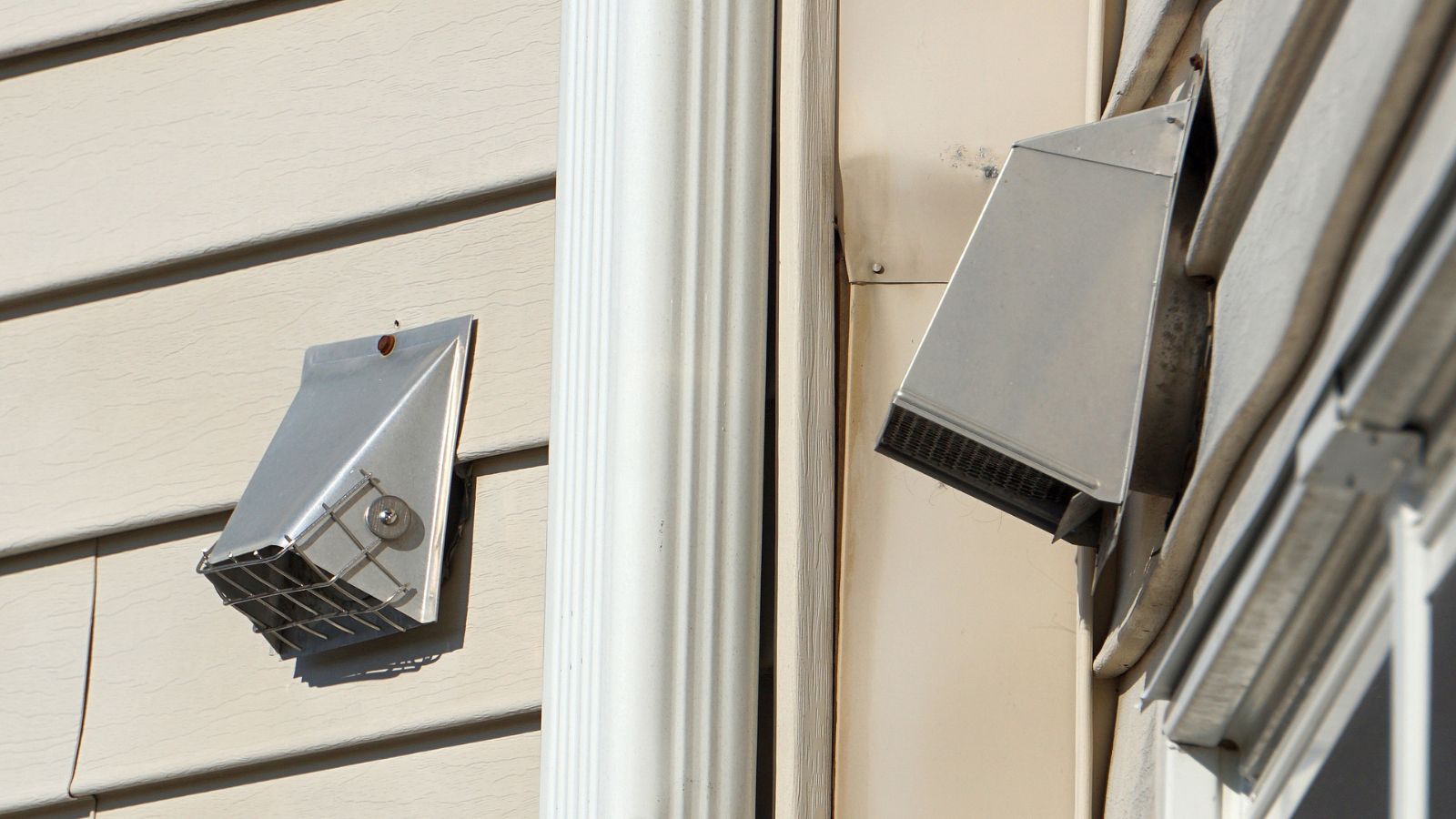
Lint does more than reduce dryer performance. Health Canada warns that lint left in dryer screens and exhaust piping can ignite when exposed to high temperatures. Fall therefore offers a useful reminder to clean more than the removable lint screen. Accessible exhaust ducting should be checked for buildup, crushing or restrictions, and the outdoor flap should be able to open properly when the dryer operates.
Winter creates an additional concern for exterior exhausts. Health Canada recommends inspecting fuel-burning appliance exhaust vents during and after snowstorms to make sure they have not been covered by snow, ice or debris. The same general exterior check can include bathroom, range hood and dryer outlets so moisture has a clear route outdoors. Once snowbanks begin growing beside the house, low-mounted vents can disappear surprisingly quickly. Clearing and inspecting them in autumn establishes where they are before that happens. Damaged fuel-appliance venting, however, is not a DIY repair; suspected combustion or venting problems should be assessed by a qualified professional.
Clear Basement Window Wells and Check Their Seals
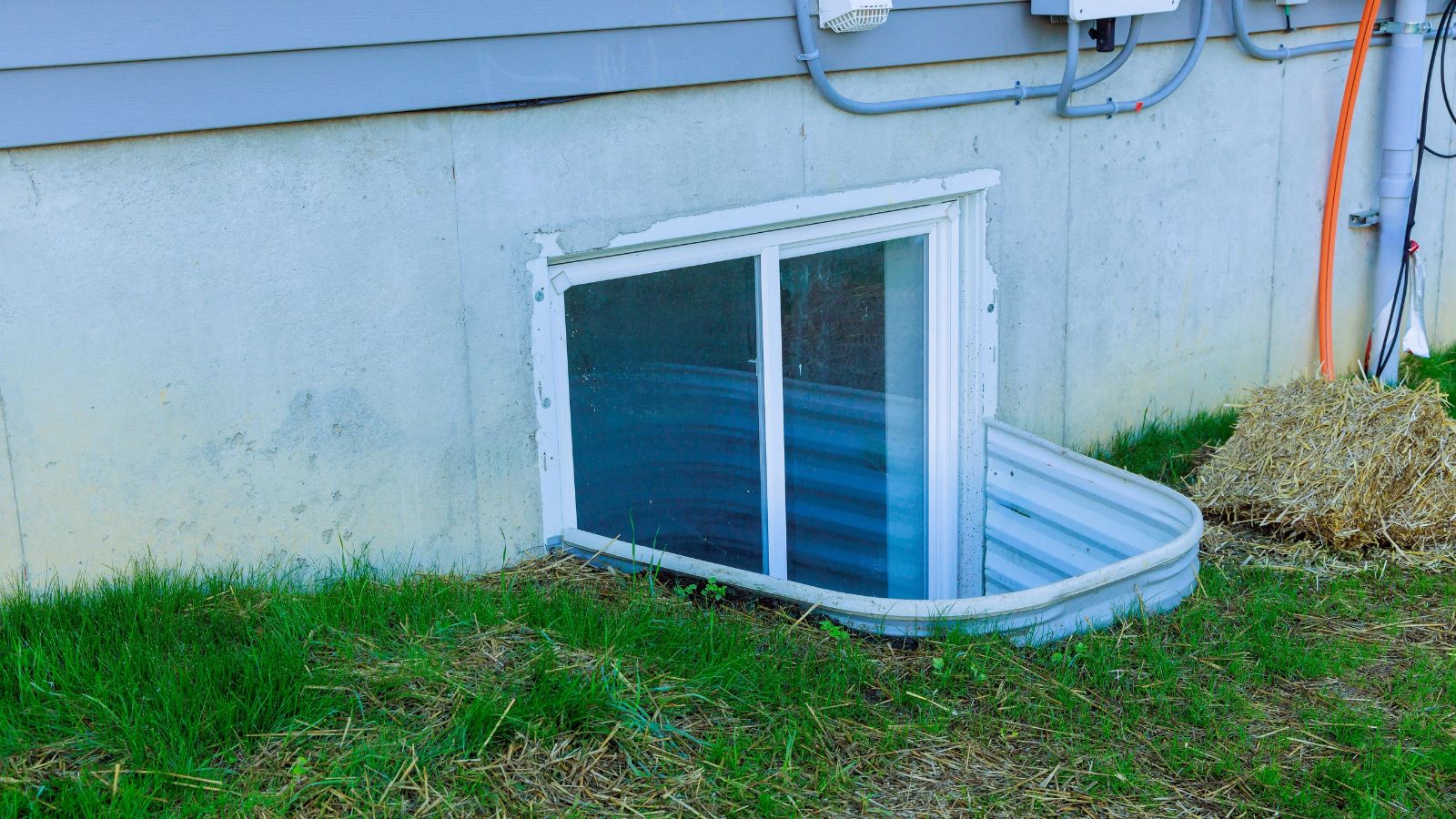
Window wells can become miniature leaf traps during autumn. Canada’s federal flood-prevention guidance recommends removing dirt, leaves, sticks and other material that can obstruct drainage. Once winter arrives, snow and ice can compound the problem, and a blocked well may hold meltwater directly against a basement window.
Fall is also a good time to look closely at the connection between the well and the foundation, the condition of the window seal and any visible cracks. Canada.ca recommends checking basement windows for cracks and leaks at least annually and increasing attention during wetter seasons such as spring and fall. Egress windows require additional care because covers and alterations must not prevent emergency escape. A basement window that has remained dry for years can still become vulnerable if drainage changes or sealant deteriorates. Clearing the well now makes it easier to notice those changes and gives water somewhere to go when snow begins melting against the house later in the season.
Repair Cracks and Loose Areas on Walkways Before Freeze-Thaw Weather
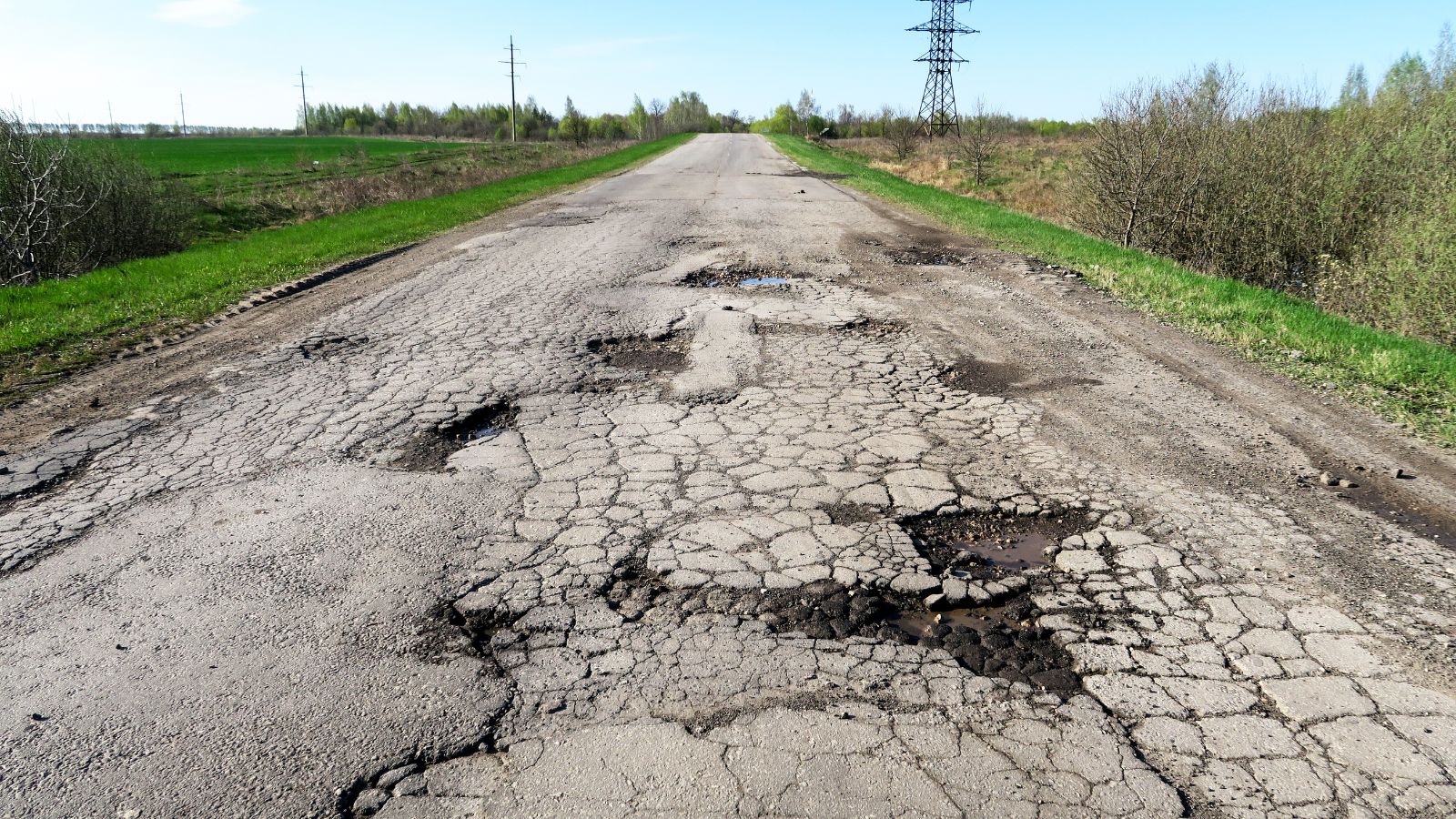
Driveways, front steps and walkways often reveal their weaknesses just before winter: a narrow crack in concrete, a loose paver, a small depression holding rainwater or an edge beginning to crumble. Canadian seasonal-maintenance guidance recommends addressing cracks and gaps before cold weather because repeated freezing and thawing can make exterior deterioration harder to manage. Water entering an opening can freeze, and winter moisture can turn a modest surface problem into a larger repair project.
The maintenance does not require every driveway to look new before snowfall. The priority is dealing with obvious damage, drainage problems and unstable walking surfaces while materials can still be repaired under suitable temperatures. It is also worth checking railings and steps before they become coated with snow and ice. A loose handrail that seems mildly annoying in October becomes much more important on a slippery February morning. Finishing these jobs in fall protects the surface itself while making routine snow clearing easier and reducing the number of unpleasant surprises waiting beneath the first serious accumulation.
16 Costco Canada Habits That Could Be Costing Shoppers More Than They Save

The Executive Membership can feel like an obvious upgrade because the 2% annual reward sounds straightforward. For households that spend heavily at Costco Canada, the extra fee may be easy to justify. But the habit becomes costly when shoppers upgrade first and calculate later. A Gold Star Membership costs less, while Executive costs more and only pays off if eligible annual spending is high enough to offset the difference.
16 Costco Canada Habits That Could Be Costing Shoppers More Than They Save
