
Summer airport travel can turn expensive long before a boarding call sounds. A few rushed decisions—parking too close, packing liquids incorrectly, skipping online check-in, or assuming a “cheap” fare still includes the basics—can quietly add hundreds of dollars to a Canadian getaway. With passenger volumes high at major hubs, baggage rules tightening, and travel costs still sensitive to fuel, fees, and demand, small habits matter more than they used to. Here are 12 costly airport habits Canadians need to drop before summer travel ramps up.
Arriving Late and Treating Security Like a Guess

Cutting arrival time too close may feel efficient on a quiet winter weekday, but summer airports are a different story. Families, tour groups, cruise connections, and long-weekend departures can turn a normally manageable terminal into a slow-moving maze. CATSA posts current wait times for Canadian airports, but it also warns that those numbers are not a substitute for proper preparation because screening times can change throughout the day. A traveller who leaves home based only on the last refresh may arrive just as a wave of departures hits the checkpoint.
The costly part is not just stress. Missing a baggage cut-off or boarding deadline can mean rebooking fees, lost hotel nights, or the need to buy a last-minute replacement ticket. Airlines set their own check-in and bag-drop deadlines, and those deadlines can be stricter for U.S. and international flights. One family heading from Toronto to Orlando, for example, may technically reach the airport “on time” but still miss the point when checked bags are accepted. Dropping the late-arrival habit is one of the cheapest forms of travel insurance.
Waiting Until the Airport to Pay for Bags
Many Canadians still treat baggage as something to sort out at the counter, especially when flying familiar domestic routes. That habit has become more expensive as airlines separate base fares from extras. Air Canada updated baggage policies for certain Economy Basic, Standard, and Flex fares purchased from April 13, 2026, while WestJet’s fee tables show that baggage costs vary by fare class, destination, and how the bag is purchased. In many cases, prepaying or choosing the right fare early is cheaper than dealing with it at the airport.
The real trap is assuming all economy tickets work the same way. A fare that looks cheaper during booking can become more expensive once a checked bag, seat selection, and carry-on restrictions are added. A weekend traveller with one suitcase may not notice the difference, but a family of four can face a meaningful jump each way. Even worse, some travellers discover the rule only at the kiosk, when there is little time to repack or compare options. The smarter habit is checking baggage rules before purchase, not after arrival.
Ignoring Carry-On Size and Basic Fare Restrictions
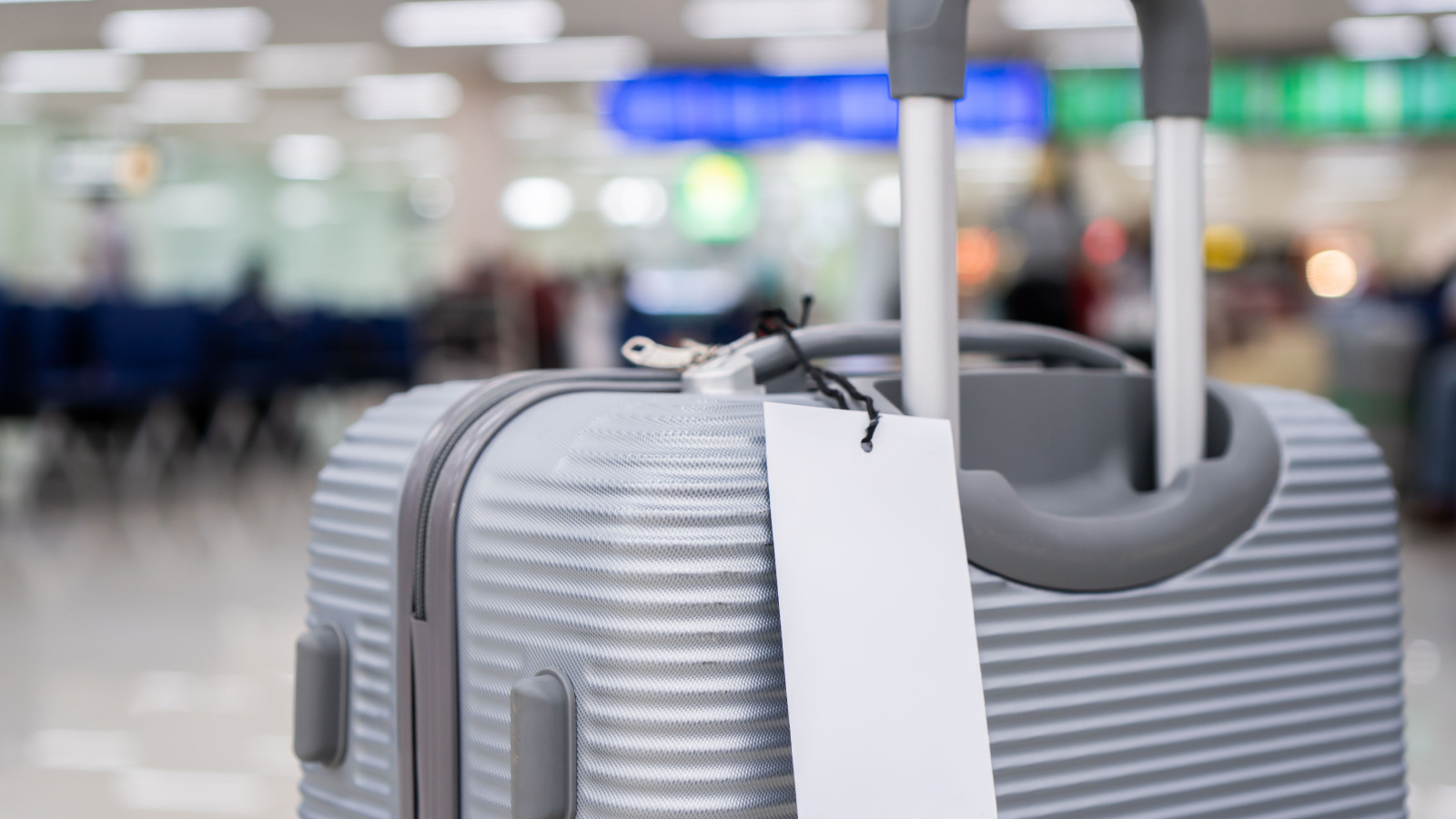
Carry-on baggage used to feel like the safe workaround for checked-bag fees, but that assumption is fading. Some basic fares restrict larger carry-on items and allow only a smaller personal item without an extra charge. Air Canada’s policy changes for Economy Basic passengers on some North American routes made this especially relevant, with larger cabin bags no longer automatically included in the lowest fare. For travellers used to squeezing a roller bag into every trip, that small fare detail can turn into a gate-side expense.
This habit becomes costly because airport staff enforce what the ticket actually includes, not what passengers remember from older trips. A backpack that fits under the seat may pass without issue, while a hard-sided carry-on may trigger a fee or need to be checked. That can also create problems for medication, electronics, or documents packed in the wrong bag. The human version is familiar: someone books the cheapest fare for a quick summer escape, then ends up paying extra at the airport while the boarding line watches. The fix is simple but often skipped—measure the bag and read the fare rules.
Packing Liquids Like the Rules Are Flexible

A full-size sunscreen, a large water bottle, or a jar of maple spread can seem harmless until it reaches security. CATSA’s rules for liquids, aerosols, gels, creams, and pastes are clear: containers in carry-on baggage must generally be 100 millilitres or less and fit in a clear one-litre resealable bag. Drinks in containers larger than 100 millilitres must be consumed or discarded before screening, although empty bottles can usually be refilled after security. Summer travel makes this rule especially relevant because sunscreen, bug spray, lotions, and beverages are common packing mistakes.
The cost is often hidden in replacement purchases. A family that loses two bottles of sunscreen and a specialty toiletry at screening may end up buying smaller versions at airport prices or at the destination. Food can be another surprise because non-solid items are not automatically exempt from liquid rules. Someone bringing jam, sauces, or creamy snacks as gifts may discover the issue only when it is too late to move them into checked baggage. The cheaper habit is sorting toiletries at home and treating “liquid” more broadly than water.
Paying Premium Airport Parking Without Comparing Options
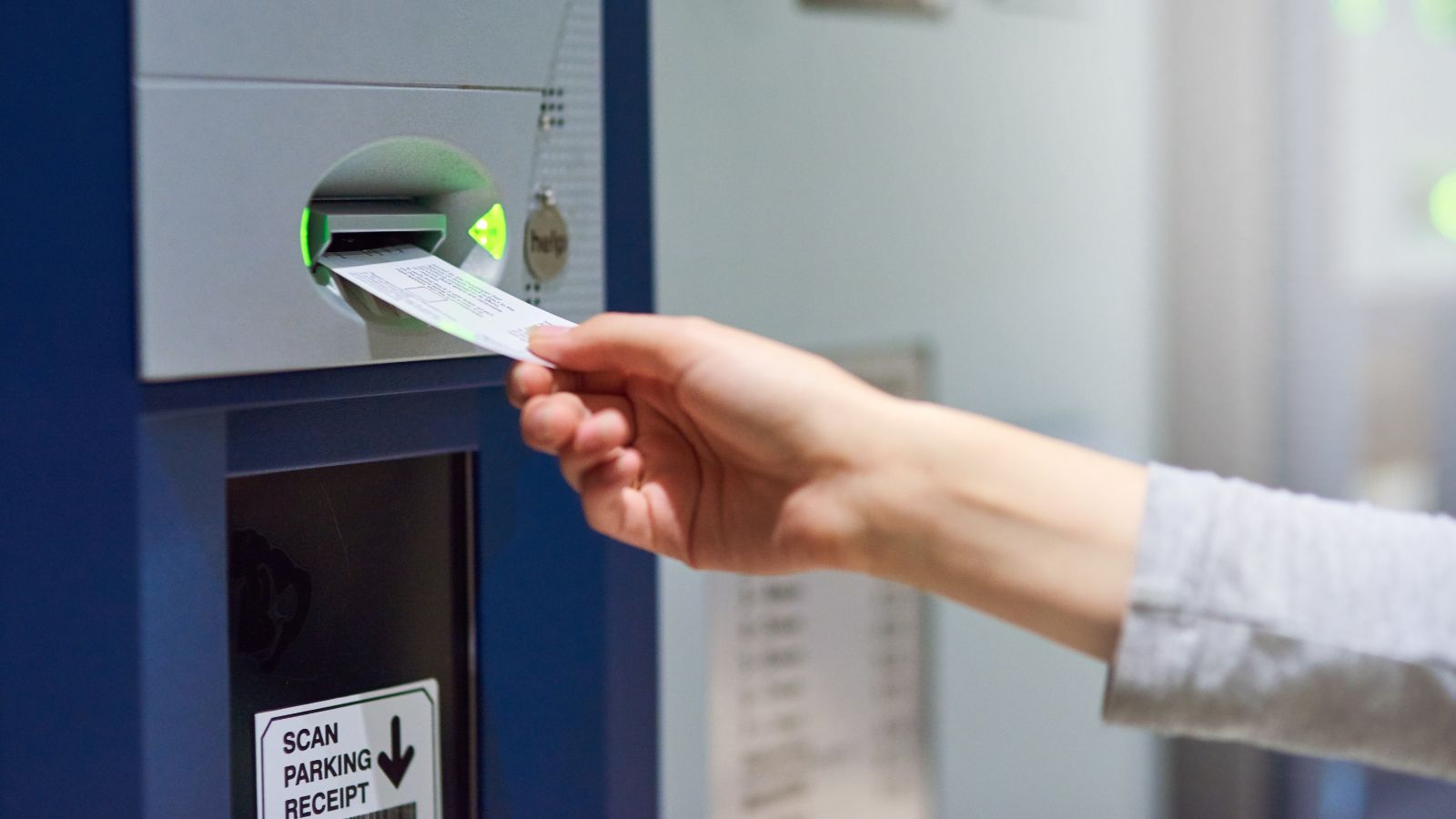
Driving to the airport can feel like the easiest choice, especially for early departures or families with luggage. The expensive part is choosing the most convenient lot by default. Toronto Pearson’s Daily Park lists a daily maximum of $42 and a weekly maximum of $235 for the first seven days, while Vancouver International Airport lists higher daily rates for some terminal and valet options. For a weeklong summer trip, parking can quietly rival the cost of a short hotel stay.
The habit becomes even more costly when travellers pull into the first visible garage instead of comparing economy lots, reservation prices, transit links, ride-share costs, or hotel-and-park packages. Airports often have cheaper lots connected by train or shuttle, but those require a little planning. A traveller leaving from Pearson, for instance, may pay for terminal convenience even when a value option with a terminal link would have worked. The decision feels minor during a rushed departure morning, yet it can add a painful line item to the trip budget before the vacation has even started.
Buying Meals, Snacks, and Drinks Only After Security

Airport food is convenient, but convenience is rarely cheap. Restaurants and shops inside terminals operate in high-cost environments, and travellers have limited competition once they pass security. Even when airports try to manage pricing, passengers often encounter markups that feel steeper than street prices. The result is predictable: a coffee, sandwich, bottled drink, and snack for one person can become a surprisingly expensive pre-flight meal, and the total multiplies quickly for families.
This habit is especially costly during summer delays, when travellers arrive early, wait through schedule changes, and buy food more than once. A parent may plan for “just a quick bite” before boarding, then buy another round when the flight slips by two hours. Bringing solid snacks from home, eating before leaving for the airport, and carrying an empty refillable bottle can soften the hit. The key is understanding the boundary: drinks over the liquid limit cannot go through security, but many solid foods can. A little planning prevents airport hunger from becoming a travel surcharge.
Skipping Online Check-In and Seat Planning
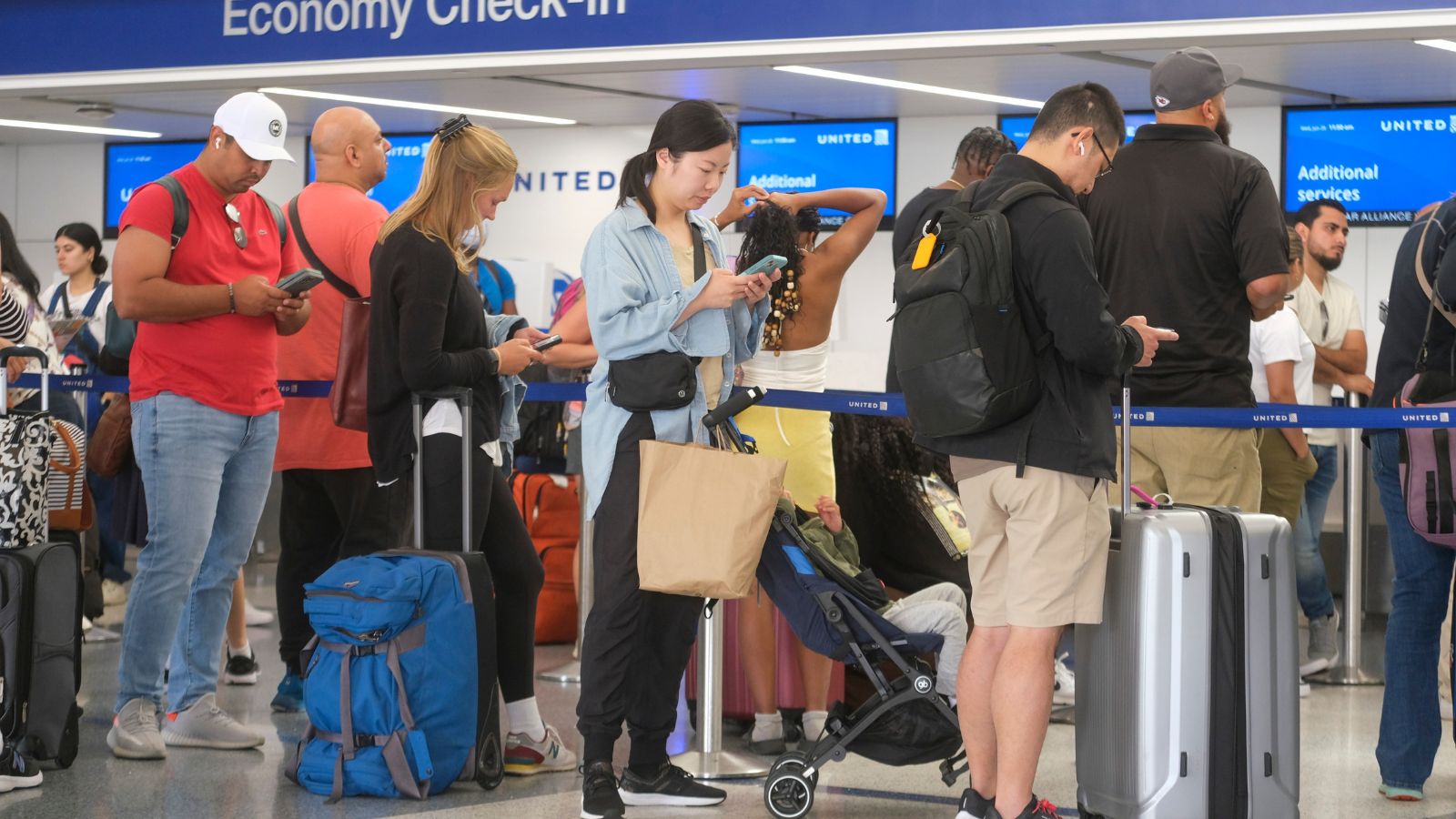
Online check-in can feel optional, especially for travellers who prefer to speak with an agent. But skipping it can reduce options and increase costs. Air Canada allows passengers to check in from 24 hours before departure, select or change seats where available, indicate checked bags, and receive a boarding pass. WestJet also directs travellers to check-in processes that help manage bags and timing before arriving at the airport. Waiting until the terminal means fewer seat choices and less time to fix issues.
The costly part is usually discovered too late. Families may be split across rows, travellers may pay for seats they could have selected earlier, and passengers with bag questions may get trapped in longer kiosk or counter lines. Online check-in can also reveal problems such as passport data errors, missing travel documents, or fare restrictions while there is still time to respond. A couple heading to Europe might think check-in is just a formality, only to find that an unverified document creates a counter delay. Dropping this habit means using check-in as a final cost-control step.
Forgetting Travel Insurance Until Something Goes Wrong
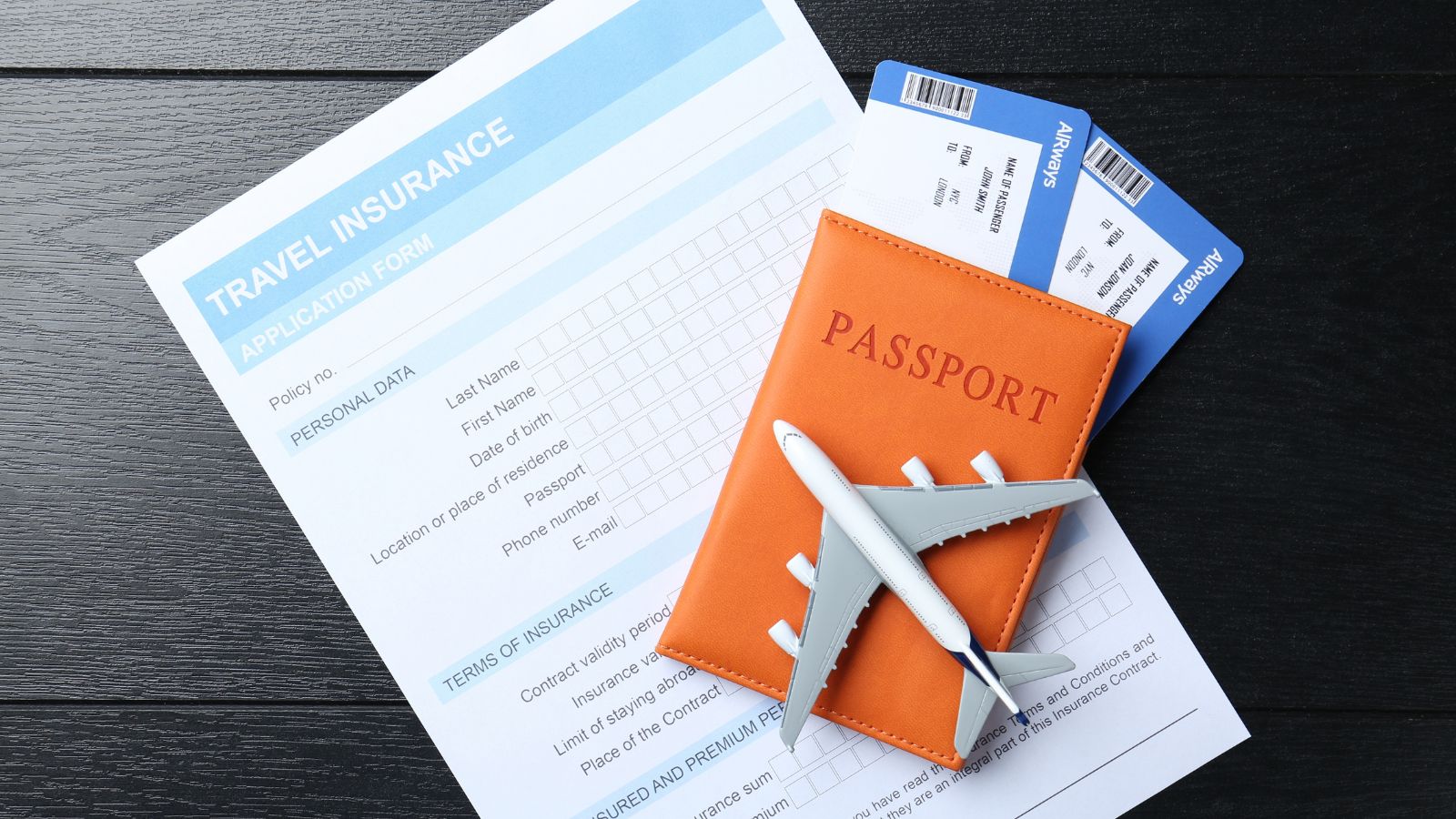
Travel insurance often gets ignored because the airport stage feels like the trip has already begun. By then, it may be too late to buy the most useful coverage for cancellations, interruptions, or known risks. The Government of Canada advises travellers going outside Canada—even for a day in the United States—to buy trip interruption and travel health insurance before leaving. That guidance matters because provincial health coverage may not pay the full cost of medical care abroad, and travel disruptions can create non-refundable losses.
This habit becomes expensive when a small problem cascades. A missed connection can lead to an extra hotel night, a medical issue can create bills far beyond the price of the trip, and a cancellation may not be covered if the policy was purchased after the risk became known. Summer travel adds weather delays, wildfire smoke concerns in some regions, and heavy demand for alternative flights. The point is not to buy the most expensive policy blindly; it is to compare coverage before departure and understand exclusions before relying on it.
Using Airport Currency Exchange Without Checking the Rate
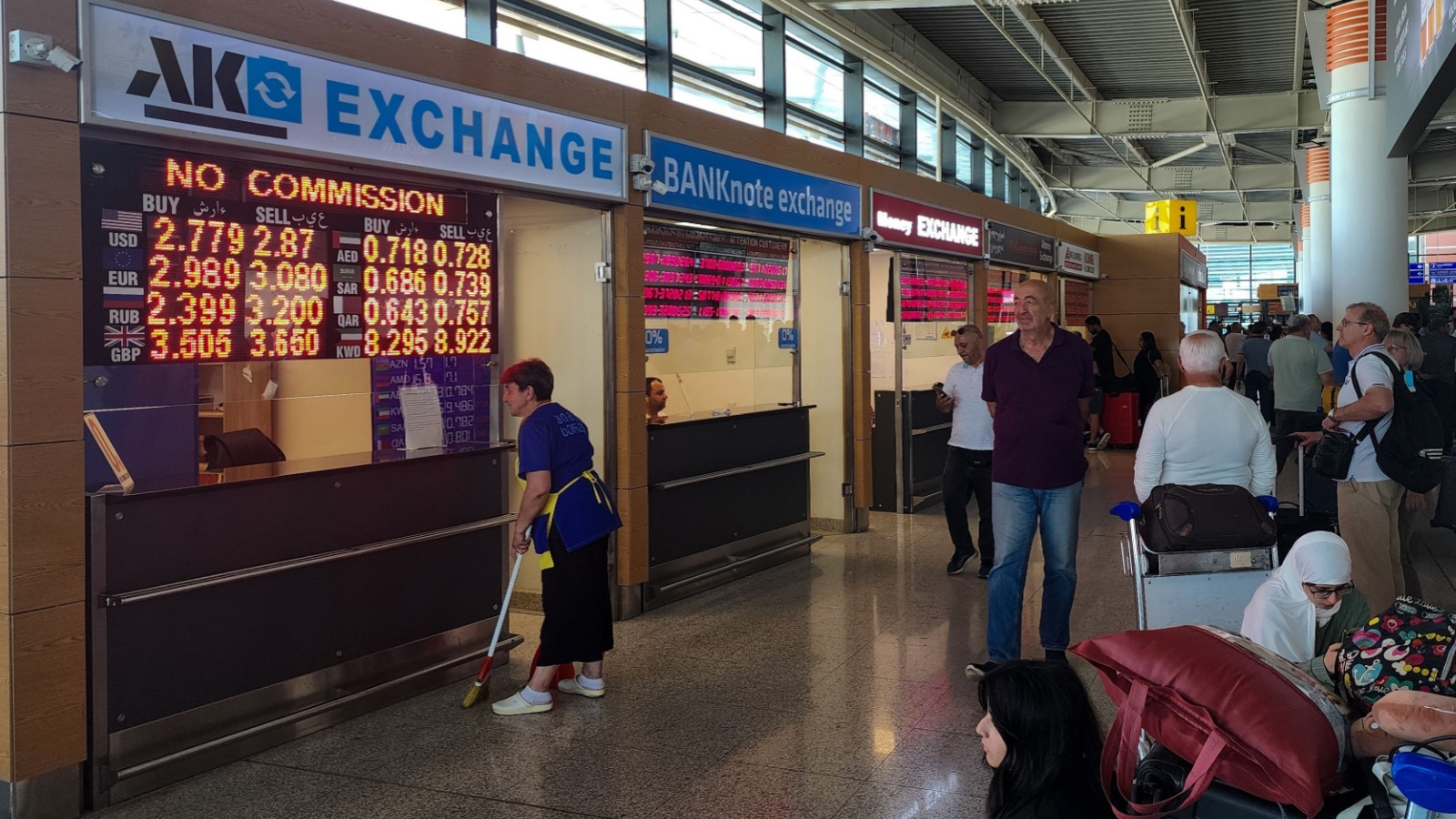
Exchanging cash at the airport feels practical because the booth is visible, open, and ready when nerves are high. But currency exchange is not just about fees; it is also about the rate used for the transaction. The Government of Canada notes that travellers can use the Bank of Canada’s online currency converter to understand official exchange rates. That does not guarantee the rate available at a counter, but it gives travellers a benchmark before handing over Canadian dollars.
The costly habit is waiting until the last minute and accepting whatever rate appears on the screen. A small difference on a modest amount may not hurt much, but exchanging several hundred dollars for a family trip can add up. Some travellers also exchange more cash than they need, then lose value again when converting leftovers back. A better approach is comparing bank, card, ATM, and airport options before travel, while also considering foreign transaction fees. The airport may still be useful for emergencies, but it should not automatically be the default source for spending money.
Leaving Roaming Decisions Until Landing

Many Canadians do not think seriously about roaming until the plane touches down and notifications start arriving. That can be expensive. The CRTC says international roaming fees apply when a phone is used outside Canada for calls, texts, or data, and the Government of Canada notes that service providers cannot charge more than $100 per billing cycle for roaming unless the customer explicitly agrees to pay more. That cap helps, but it does not make roaming cheap, especially for short trips where daily fees stack quickly.
The airport habit is relying on instinct while tired: turning on data to call a ride, opening maps, checking hotel messages, and letting apps sync in the background. A traveller may use only a few minutes of service and still trigger a daily roaming charge. Planning an eSIM, travel package, local SIM, or Wi-Fi-only strategy before departure avoids that landing-day scramble. It also reduces the risk of using unsecured public Wi-Fi for sensitive transactions. The cheapest roaming decision is usually made before boarding, not while standing at baggage claim.
Treating Duty-Free Like Automatic Savings
Duty-free shopping has a powerful airport glow. Perfume, liquor, cosmetics, and luxury snacks feel discounted because taxes and duties may be removed in certain contexts. But duty-free does not always mean cheapest, and returning to Canada still comes with personal exemption rules. The CBSA states that returning residents may claim up to CAN$200 after 24 hours away and up to CAN$800 after 48 hours or more, with rules and limits for alcohol and tobacco. Exceeding allowances can create duty and tax costs at the border.
The expensive habit is buying first and calculating later. A traveller may grab bottles or gifts during a connection, only to realize the total pushes them beyond the exemption. Alcohol rules are especially easy to misunderstand because limits depend on time away and product type. The practical solution is to compare prices before the trip, know the exemption, and keep receipts organized. Duty-free can still be worthwhile, but it should be treated like any other purchase: useful when the math works, not a guaranteed bargain because it sits beside a departure gate.
Packing Cannabis or CBD Products for a Trip Abroad

This is one of the costliest mistakes because the consequences can go far beyond money. Cannabis may be legal in Canada, but it remains illegal to take it across the Canadian border, whether entering or leaving the country. Government of Canada travel guidance specifically includes cannabis products such as edibles, extracts, topicals, and CBD products. CBSA also warns travellers not to bring cannabis into Canada or take it out of Canada. Summer leisure travel can make this mistake more common because people pack casually for cottages, festivals, cruises, or U.S. weekends.
The problem is that travellers often think in domestic terms. A small edible in a toiletry bag or a CBD balm in a carry-on may seem ordinary at home, but border rules are different. The potential costs include seizure, fines, delays, missed flights, and legal trouble in another country. Medical use does not automatically solve the issue without proper authorization. The safer habit is simple: leave cannabis and CBD products in Canada and research destination laws separately. Airport convenience is never worth turning a vacation into a border enforcement problem.
Not Knowing Passenger Rights Before a Delay or Bag Problem
Many travellers only start learning passenger rights when they are already exhausted at the gate. That timing weakens their position. Canada’s Air Passenger Protection Regulations cover areas such as denied boarding, delays, cancellations, seating of children, and lost or damaged baggage, depending on the circumstances. The Canadian Transportation Agency highlights compensation and assistance rules, while IATA advises passengers to report lost, delayed, or damaged baggage immediately at arrival and follow up in writing within the required period.
The costly habit is leaving the airport without documentation. A traveller whose bag does not appear may assume the airline will handle everything automatically, then struggle later without a file reference, receipts, or written confirmation. Delays create similar issues when passengers do not save boarding passes, notifications, meal receipts, and hotel bills. In 2024, IATA estimated airlines mishandled 6.3 bags per 1,000 passengers globally, so baggage issues are uncommon but not rare enough to ignore. Knowing the process before trouble starts can protect reimbursement claims and reduce the chance of walking away from money owed.
19 Things Canadians Don’t Realize the CRA Can See About Their Online Income

Earning money online feels simple and informal for many Canadians. Freelancing, selling products, and digital services often start as side projects. The problem appears at tax time. Many people underestimate how much information the CRA can access. Online platforms, banks, and payment processors create detailed records automatically. These records do not disappear once money hits an account. Small gaps in reporting add up quickly.
Here are 19 things Canadians don’t realize the CRA can see about their online income.
