Canadians tend to notice a product’s disappearance only after the shelf space changes, the package vanishes, or the last familiar version becomes harder to find. Rising costs, new regulations, shifting shopping habits, retailer bankruptcies, digital substitution, and changing consumer tastes are quietly reshaping what stays available. Some products are already being phased out, while others face a slower decline as companies rethink what is worth making, stocking, or delivering. These 20 familiar Canadian products show how everyday items can move from ordinary household staples to something that suddenly feels like a memory.
Cherry Blossom Chocolates

For decades, Cherry Blossom had the kind of old-fashioned presence that made it easy to overlook until it started disappearing. The boxed chocolate, with its syrupy cherry centre, peanuts, coconut, and thick chocolate shell, was never trendy in the modern snack aisle. Its appeal came from nostalgia, corner-store familiarity, and the feeling that it had always been there beside more polished chocolate bars.
That familiarity could not protect it forever. Hershey confirmed the end of Cherry Blossom, making it one of the clearest examples of a Canadian-associated treat losing its place in a crowded confectionery market. Its disappearance also says something about older candy brands: shelf space is now expensive, younger shoppers often gravitate to cleaner packaging or novelty flavours, and slow-moving nostalgic products can become vulnerable even when they still have loyal fans.
Minute Maid Frozen Juice Concentrate

The small frozen cans of Minute Maid orange juice, lemonade, and pink lemonade once felt almost permanent in Canadian freezers. They were practical, affordable, and tied to a familiar kitchen ritual: peel the lid, scoop the icy concentrate into a pitcher, add water, and stir. For many households, it was the background sound of breakfast, school lunches, and summer barbecue prep.
That ritual is now fading. Coca-Cola has moved to discontinue Minute Maid frozen juice concentrate in Canada and the United States, pointing to changing consumer preferences. Ready-to-drink beverages, chilled juices, sparkling waters, and lower-sugar options have pushed the frozen-can format into a smaller corner of the market. The product is not just losing shelf space; it is losing the routine that once made it useful.
Yves Veggie Cuisine Products

Yves Veggie Cuisine became a familiar name long before plant-based eating became mainstream. Its veggie dogs, deli slices, ground round, and meatless burgers were grocery staples for vegetarians, flexitarians, and families trying to reduce meat without learning an entirely new way to cook. In many Canadian stores, Yves helped make plant-based food feel normal rather than niche.
Its future became uncertain after reports that the brand was being discontinued. The move landed during a tougher period for plant-based meat alternatives, a category that grew quickly but has faced pushback over price, processing concerns, and repeat purchase rates. For shoppers who relied on Yves as a practical meat substitute, the disappearance feels less like a trend correction and more like a familiar freezer-door option being quietly erased.
Hudson’s Bay Striped Blankets and Branded Goods

Few retail products are as visually tied to Canada as the Hudson’s Bay multistripe blanket. The green, red, yellow, and indigo stripes turned a wool blanket into a national design symbol, appearing on coats, mugs, tote bags, ornaments, and home goods. For years, the products sat at the intersection of heritage retail, gift shopping, and Canadian nostalgia.
The end of Hudson’s Bay’s department-store era has changed the context around those products. Canadian Tire acquired Hudson’s Bay brand assets, including the stripes, which means the design may survive in a new retail form. Still, the original store experience that gave those products their cultural weight is gone. Future striped goods may exist, but they may not feel like the same familiar Bay products Canadians once found in downtown flagships and mall anchor stores.
Single-Use Plastic Checkout Bags
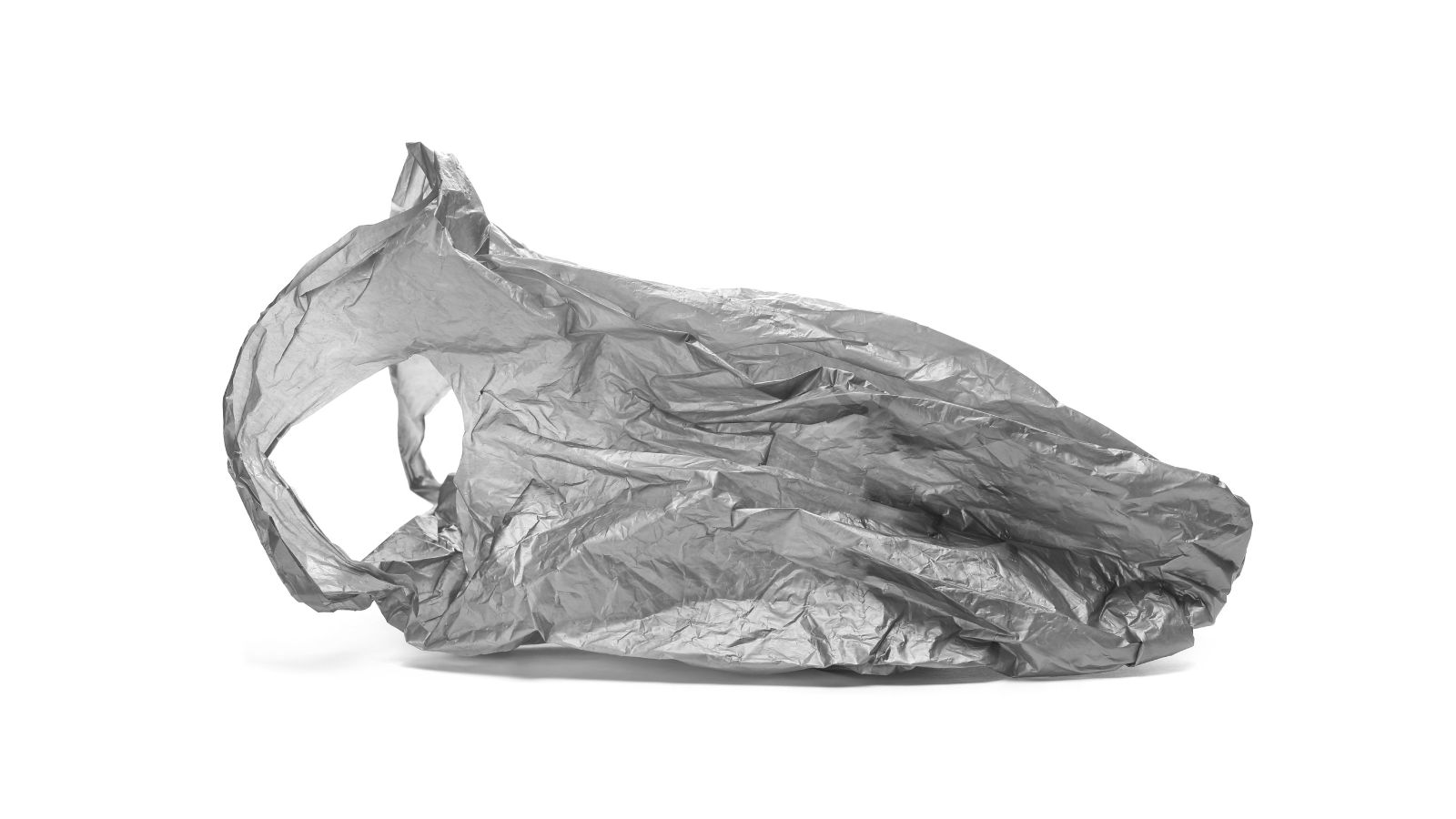
Plastic grocery bags were once so common that many Canadian homes had a bag full of bags under the sink. They carried groceries, lined small bins, wrapped wet shoes, held lunch containers, and served as a universal household backup. Their usefulness was part of the reason they lasted so long despite years of environmental criticism.
Canada’s single-use plastics rules have changed that familiar routine. The federal regulations prohibit the manufacture, import, and sale of single-use plastic checkout bags, with retailers shifting toward reusable bags, paper bags, boxes, and bring-your-own systems. The old lightweight bag may remain in memory and in kitchen drawers for a while, but its everyday retail role has been deliberately reduced. What once felt disposable now looks like a product from another shopping era.
Plastic Cutlery, Stir Sticks, and Takeout Containers

A takeout order in Canada used to come with a predictable bundle: plastic fork, plastic knife, straw, stir stick, and a foam or rigid plastic container. These items were easy to ignore because they were designed to be used for minutes and discarded. Their convenience made them nearly invisible until governments and businesses began targeting single-use waste.
Federal plastic rules now cover several of those familiar items, including certain cutlery, stir sticks, straws, and problematic foodservice ware. Restaurants, cafeterias, food courts, and coffee chains have been pushed toward fibre-based packaging, wooden cutlery, reusable systems, or opt-in accessories. The change can feel small at the counter but large across millions of transactions. The old plastic takeout bundle is becoming less a default and more a regulated exception.
Plastic Six-Pack Ring Carriers

The plastic rings around cans of pop, beer, and other beverages were once a familiar sight in Canadian recycling bins and garage fridges. They were cheap, light, and efficient for manufacturers, but they also became a symbol of plastic pollution because of the harm they can cause when improperly discarded. Even people who never thought much about packaging recognized the image of wildlife caught in rings.
Canada’s single-use plastics rules include ring carriers, pushing beverage companies toward cardboard wraps, fibre holders, glue systems, and other alternatives. For consumers, the change may appear as a different grip at the store or a package that tears open differently at home. For manufacturers, it reflects a broader shift: packaging that once won on low cost alone now has to answer environmental and regulatory questions.
Incandescent and Older Halogen Light Bulbs

The warm glow of an incandescent bulb is familiar to generations of Canadians. It was the default choice for lamps, porch lights, basements, and utility rooms, even after compact fluorescents and LEDs began appearing. Halogen bulbs extended the life of the old lighting style by offering a similar feel with somewhat better efficiency.
Energy-efficiency rules have steadily narrowed the space for inefficient bulbs. Canada’s regulations set minimum performance standards for lighting products, and more efficient LED options now dominate store shelves. The result is not that every old bulb instantly disappears from every drawer, but that replacements increasingly point in one direction. The classic bulb shape may remain, yet the technology inside is shifting away from the familiar heat-heavy filament.
Fluorescent Tubes and Compact Fluorescent Bulbs

Fluorescent lighting was once the practical upgrade. Long tubes lit garages, schools, offices, basements, and retail ceilings, while compact fluorescent bulbs promised lower electricity bills in homes. Many Canadians still associate fluorescent lights with a faint hum, a cool tint, and the occasional flicker before full brightness.
Their decline is now being accelerated by mercury regulations. Canada is phasing out the import, manufacture, and sale of the most common mercury-containing lamps used for general lighting, with restrictions beginning in 2026 and extending toward 2030 for some categories. LEDs have become the replacement because they are mercury-free, efficient, and widely available. The change is especially noticeable in older commercial buildings where maintenance teams once kept boxes of fluorescent tubes ready for quick swaps.
New Gas-Only Passenger Vehicles

Gasoline-only cars and light trucks are not disappearing from Canadian roads anytime soon. Millions will continue to be driven, repaired, resold, and passed down. But the product category itself is changing as automakers invest in hybrids, plug-in hybrids, and electric vehicles while governments adjust emissions policy.
Canada’s national EV mandate has changed since earlier targets were announced, but the direction of travel still points toward lower-emission vehicle lineups. Automakers are also making global product decisions based on multiple markets, not just Canadian preference. That means some familiar gas-only trims, engines, and small models could become harder to find even before any final phaseout date. The future may not be purely electric overnight, but the old showroom mix is already under pressure.
Paper Transit Tickets and Tokens

Transit tokens and paper tickets once carried a surprising amount of local identity. Toronto’s TTC tokens, for example, were small metal reminders of commuting routines, school trips, downtown appointments, and late-night rides home. They were also easy to lose in coat pockets, jars, and drawers.
Toronto has now retired legacy fare media, with tickets, tokens, and day passes phased out in favour of PRESTO, open payment, mobile wallets, and other modern options. Other Canadian systems have also leaned heavily into smart cards and digital fare tools. Paper or metal fare products may linger for collectors, but their everyday usefulness is shrinking. The change reflects a broader movement away from physical transit products toward account-based systems that can be updated, tracked, and integrated across networks.
Paper Cheques

A personal cheque once felt like an ordinary household product. Rent, school fees, gifts, small-business payments, and club dues often moved through a paper slip signed at the kitchen table. Chequebooks were stored beside stamps, envelopes, and address labels, forming part of the domestic paperwork kit.
Cheques still matter in Canada, especially for some business and high-value payments, but everyday use has declined sharply. Payments Canada data shows consumers use cheques far less frequently than digital methods, while personal cheque volumes continue to fall. Interac e-Transfer, pre-authorized payments, credit cards, and direct deposits have replaced many routine cheque moments. The product may survive for edge cases, but its place in daily personal finance is becoming increasingly narrow.
Printed Phone Books and Yellow Pages Directories

The printed phone book was once a yearly household arrival. It sat near the landline, under the coffee table, or in a kitchen drawer, ready for restaurant numbers, repair services, government offices, and neighbour lookups. The Yellow Pages in particular gave local businesses a physical presence long before search engines and map apps took over.
That role has been shrinking for years. Yellow Pages Limited continues to report revenue pressure tied partly to declines in print products, while households increasingly rely on smartphones and online listings. Printed directories may still serve some rural, senior, or low-connectivity users, but the mass-market version has faded. The big book that once helped Canadians find almost anything has largely been replaced by a search bar.
Traditional Cable TV Boxes

The cable box used to be the centrepiece of Canadian living-room entertainment. It controlled the channel guide, recorded shows, rented movies, and turned sports packages into a weekend routine. For many households, the box was as familiar as the remote batteries that always seemed to need replacing.
Cord-cutting is putting pressure on that hardware. Canadian TV subscription numbers have declined while streaming revenue has grown, and more households now rely on apps built into smart TVs, streaming sticks, game consoles, or mobile devices. Cable television itself still exists, especially for sports, news, and bundled customers, but the dedicated set-top box is no longer the default gateway to entertainment. Its future looks more specialized and less universal.
Printed Daily Newspapers

A printed daily newspaper once shaped mornings across Canada. It arrived on doorsteps, stacked in coffee shops, sat beside commuters on buses, and left ink on fingertips. Local editions also carried coupons, classifieds, funeral notices, sports pages, and community stories that gave the physical product more than just headline value.
Print remains important for some readers, but the economics are difficult. Canadian newspaper publishers have faced long-term pressure as print advertising and circulation dollars move toward digital platforms. Many news organizations now prioritize websites, newsletters, apps, podcasts, and membership models. The printed paper may continue in certain cities and weekend editions, but its everyday presence is thinner than it used to be, especially for younger readers who never developed the doorstep habit.
Paper Grocery Flyers
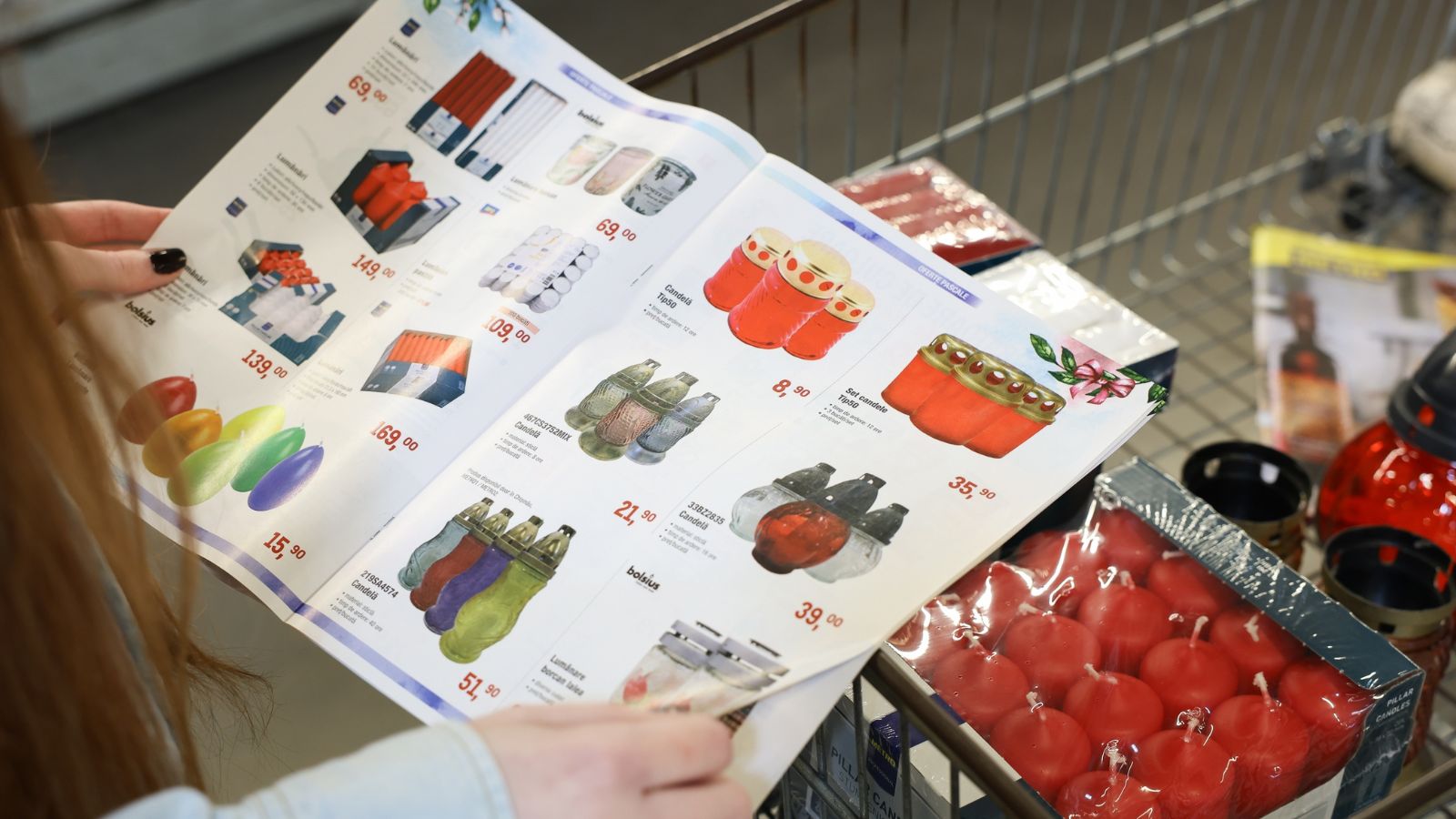
For many Canadians, paper grocery flyers were the unofficial start of meal planning. They arrived in bundles, were circled with a pen, and helped households decide whether chicken, butter, berries, or detergent would make the weekly list. Even in the digital age, flyers remained tied to practical budgeting.
That familiar product is under pressure from digital flyer apps, retailer websites, loyalty programs, and delivery disruptions. Some Canadian grocery banners have already moved away from printed flyers, while industry groups still argue that print helps shoppers find savings. The result is a split market: many shoppers still like paper, but retailers are investing heavily in digital targeting. The flyer may survive, but the universal bundle at the door is becoming less reliable.
DVD and Blu-Ray Movie Discs

DVDs and Blu-rays were once standard Canadian home entertainment products. Families built shelves of movies, collectors hunted special editions, and bargain bins turned old releases into impulse buys. The product also had a practical advantage that streaming sometimes lacks: once owned, the disc did not vanish because a licence expired.
Physical media has not disappeared, but mainstream retail support has weakened. Best Buy’s exit from DVD and Blu-ray sales in stores and online marked a major shift, even as collectors continue to support premium formats. Streaming, digital rentals, and subscription libraries have changed how most households access movies. The future of discs may be more boutique than mass market: valuable to collectors, less visible to casual shoppers.
Landline Home Phones

The landline telephone was once the anchor of the Canadian household. It rang in the hallway, sat on kitchen counters, and carried family calls, school updates, telemarketers, and emergency contacts. Many homes had a phone table, a notepad, and a shared understanding that calls after a certain hour meant something serious.
Mobile service has made that product less essential. CRTC materials and telecom market trends show how communications have moved toward wireless, internet-based, and app-based services, while some legacy telecom services are considered obsolete. Landlines still matter for certain seniors, rural users, security systems, and households that value redundancy. But the familiar home phone as a default product is fading, especially among renters and younger families who have never had one.
Single-Use Hotel Toiletry Bottles

Tiny hotel shampoo, conditioner, and lotion bottles were once part of the travel experience. Guests tucked them into toiletry bags, used them as gym-bag backups, or brought them home as small reminders of a trip. The products were convenient, but they also created huge volumes of plastic waste.
The hospitality industry has been moving toward wall-mounted dispensers and refillable systems, driven by cost control, sustainability commitments, and broader pressure on single-use plastics. While Canada’s federal single-use plastic rules target specific product categories rather than every small bottle, the direction of consumer packaging is clear. In many hotels, the miniature bottle is no longer a guaranteed amenity. Its replacement is less collectible, but much easier to manage at scale.
Brand-Name Grocery Staples With Weak Loyalty
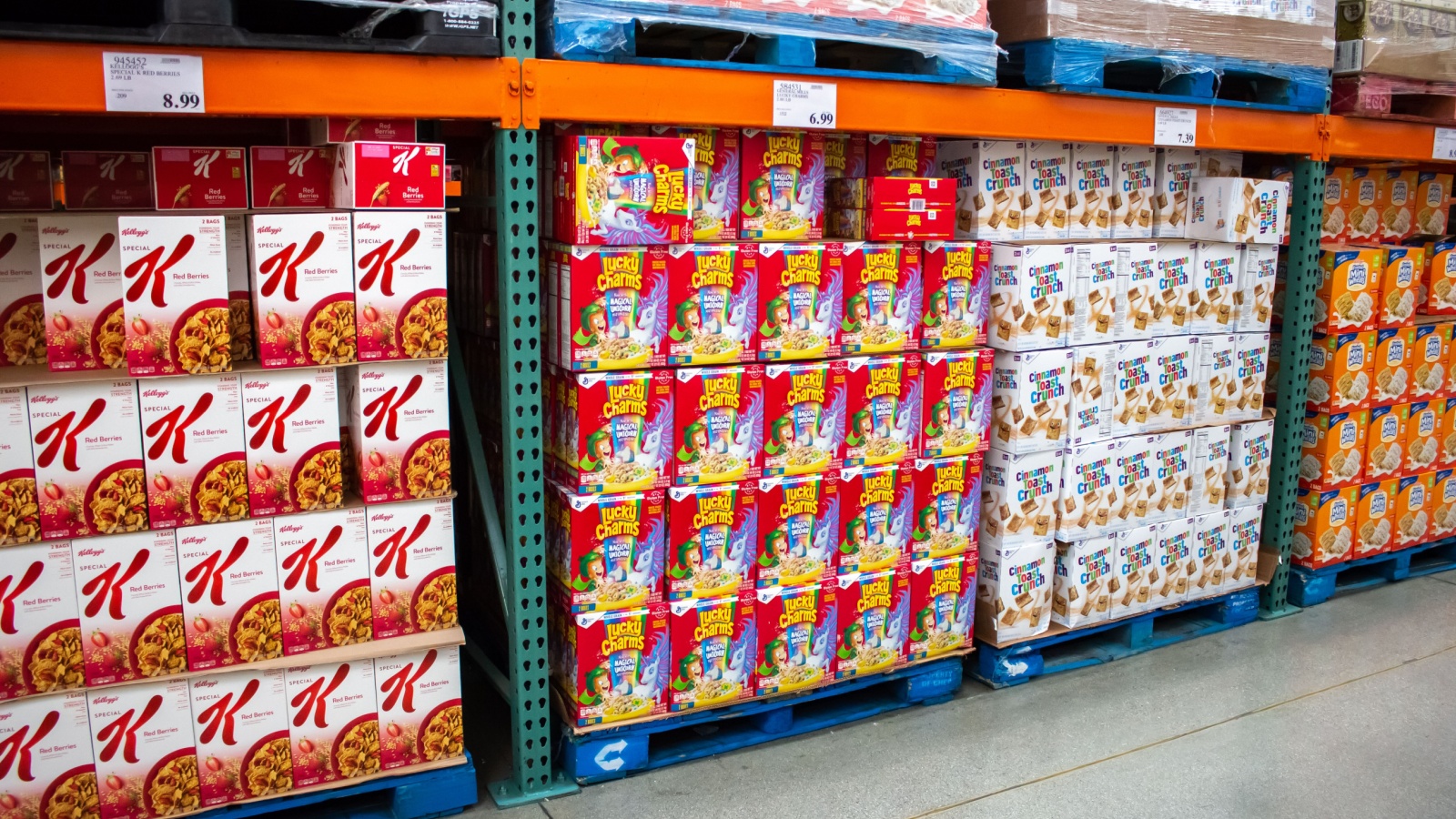
Some familiar Canadian grocery products may not vanish because of a formal discontinuation. They may fade because shoppers stop insisting on them. Cereal, crackers, canned goods, condiments, frozen meals, and cleaning products all depend on brand loyalty, but price-sensitive households are increasingly willing to switch.
Canadian consumer research shows many shoppers now buy whichever brand is on sale, stock up during promotions, shop at discount stores, or choose private-label alternatives. That behaviour makes weaker national brands vulnerable. If a product loses volume, retailers may reduce facings, demand better promotions, or replace it with a store brand. The familiar package might still exist somewhere, but it can slowly lose its regular shelf spot in the stores where people once bought it automatically.
Products Dependent on U.S.-Canada Trade Stability

Many familiar products in Canadian stores are not Canadian-made at all, even when they feel like part of everyday Canadian shopping. Certain beverages, packaged foods, produce-related goods, household items, and specialty brands depend on smooth cross-border trade, predictable tariffs, and retailer confidence.
Trade uncertainty has already affected how some U.S. suppliers and Canadian retailers think about orders, especially when “Buy Canadian” sentiment rises or tariff questions make pricing harder. Products in this category may not disappear permanently, but they can become less available, more expensive, or replaced by domestic and private-label alternatives. A familiar imported product can vanish from a shelf not because demand is zero, but because the margin, politics, or supply chain no longer works cleanly enough.
19 Things Canadians Don’t Realize the CRA Can See About Their Online Income

Earning money online feels simple and informal for many Canadians. Freelancing, selling products, and digital services often start as side projects. The problem appears at tax time. Many people underestimate how much information the CRA can access. Online platforms, banks, and payment processors create detailed records automatically. These records do not disappear once money hits an account. Small gaps in reporting add up quickly.
Here are 19 things Canadians don’t realize the CRA can see about their online income.
