
Canada’s population map is being redrawn in quieter ways than the skyline cranes suggest. While the biggest urban centres still dominate the national economy, many households, newcomers, students, retirees, and remote workers are looking beyond the old default choices. Affordability, lifestyle, universities, health care access, job diversity, and shorter commutes are pulling people toward fast-growing mid-sized metros, regional hubs, and smaller coastal or prairie cities.
These 17 Canadian towns and cities show where momentum has been building as some traditional centres lose people to surrounding communities, other provinces, or slower-growth regions. The shift is not always dramatic on a single street, but it shows up in housing demand, busier schools, new subdivisions, packed rental markets, and downtowns trying to absorb a new wave of residents.
Edmonton, Alberta

Edmonton has become one of Canada’s clearest examples of a large city gaining from both international migration and interprovincial movement. The region’s population climbed from about 1.47 million in 2021 to roughly 1.69 million in 2025, and Statistics Canada identified Edmonton as the fastest-growing census metropolitan area in the country for the 2024–2025 period. That is not just a boomtown headline; it reflects a broader search for jobs, relative affordability, and big-city services without Toronto or Vancouver-level housing costs.
The appeal is practical as much as emotional. Families relocating from Ontario or British Columbia often find a wider selection of detached homes, while newcomers are drawn to universities, hospitals, government jobs, construction work, energy services, and a large immigrant-services ecosystem. The North Saskatchewan River valley, festival calendar, and younger population also help soften Edmonton’s old reputation as a cold government-and-oil town.
Calgary, Alberta
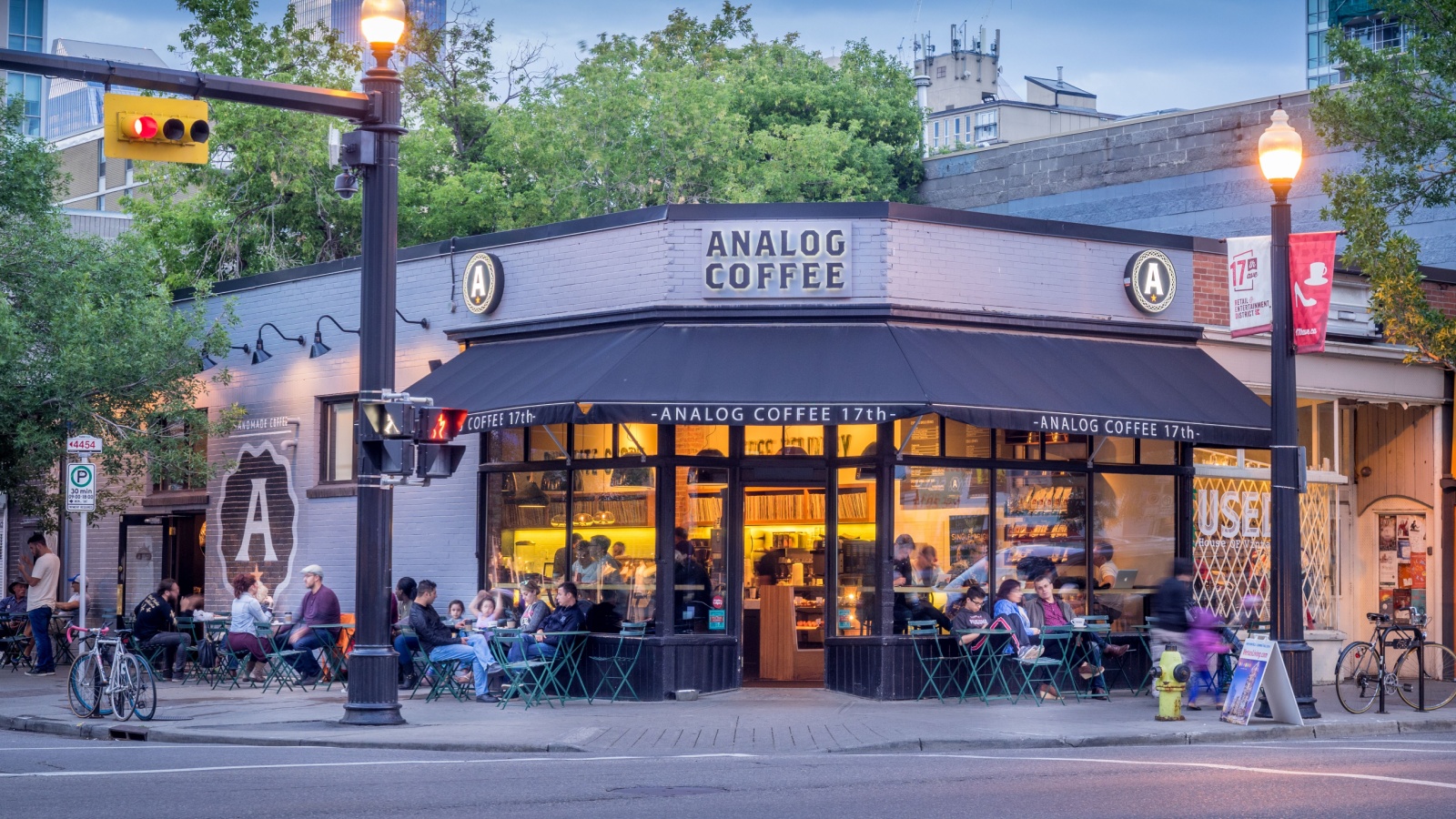
Calgary has been absorbing a steady stream of Canadians priced out of other major markets. Its metro population rose from about 1.54 million in 2021 to more than 1.83 million in 2025, one of the largest gains in the country. Statistics Canada also reported that Calgary remained among the top destinations for interprovincial migration, meaning many arrivals were not just new immigrants but Canadians choosing Alberta over another province.
The city’s pitch is unusually broad: corporate head offices, technology hiring, energy-sector resilience, newer suburbs, mountain access, and a major airport. That combination has made Calgary feel like a pressure-release valve for people who still want a large metropolitan economy but need more housing options than they can find in Vancouver or the Greater Toronto Area. The result is visible in packed new communities on the city’s edges and rising demand in nearby places such as Airdrie, Cochrane, and Okotoks.
Moncton, New Brunswick

Moncton has moved from “affordable Atlantic option” to one of Canada’s most watched growth stories. Its census metropolitan area grew from about 161,000 people in 2021 to more than 196,000 in 2025, a striking jump for a mid-sized market. Statistics Canada placed Moncton among the fastest-growing CMAs in 2024–2025, alongside Edmonton and Calgary. That matters because it shows Atlantic growth is no longer limited to Halifax.
Moncton’s draw is partly economic geography. It sits near the centre of the Maritimes, with road and rail connections that support logistics, distribution, retail, and service work. It is also officially bilingual in a province where French and English communities overlap. For families leaving larger provinces, the city offers a mix of lower housing costs, smaller commutes, and enough urban infrastructure to feel connected rather than isolated.
Ottawa–Gatineau, Ontario/Quebec
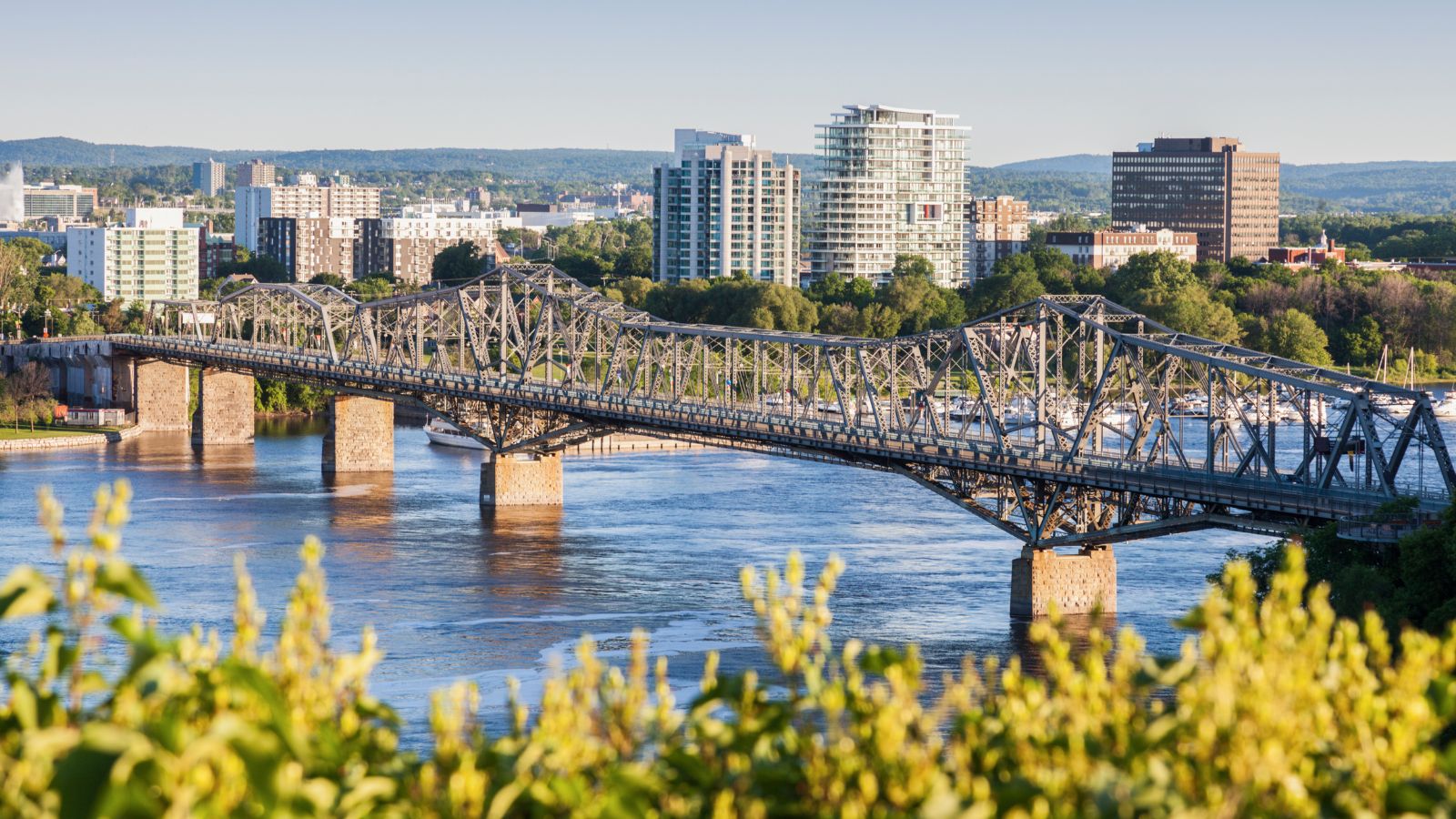
Ottawa–Gatineau’s growth story is steadier and less flashy than Alberta’s, but it has become increasingly important. The region grew from about 1.54 million residents in 2021 to roughly 1.70 million in 2025. Statistics Canada reported that the Ontario side of the region increased its share of new immigrants to Ontario between 2019–2020 and 2024–2025, a sign that settlement patterns are spreading beyond the Toronto area.
The capital region benefits from a rare mix of stable public-sector employment, universities, hospitals, technology firms, and bilingual professional opportunities. Gatineau adds a cross-river affordability option for people who work in Ottawa but want Quebec housing prices, services, or lifestyle. Growth has also brought strain: transit debates, bridge congestion, and housing shortages are constant local issues. Even so, Ottawa–Gatineau remains a magnet for people seeking stability rather than boomtown volatility.
Québec City, Quebec
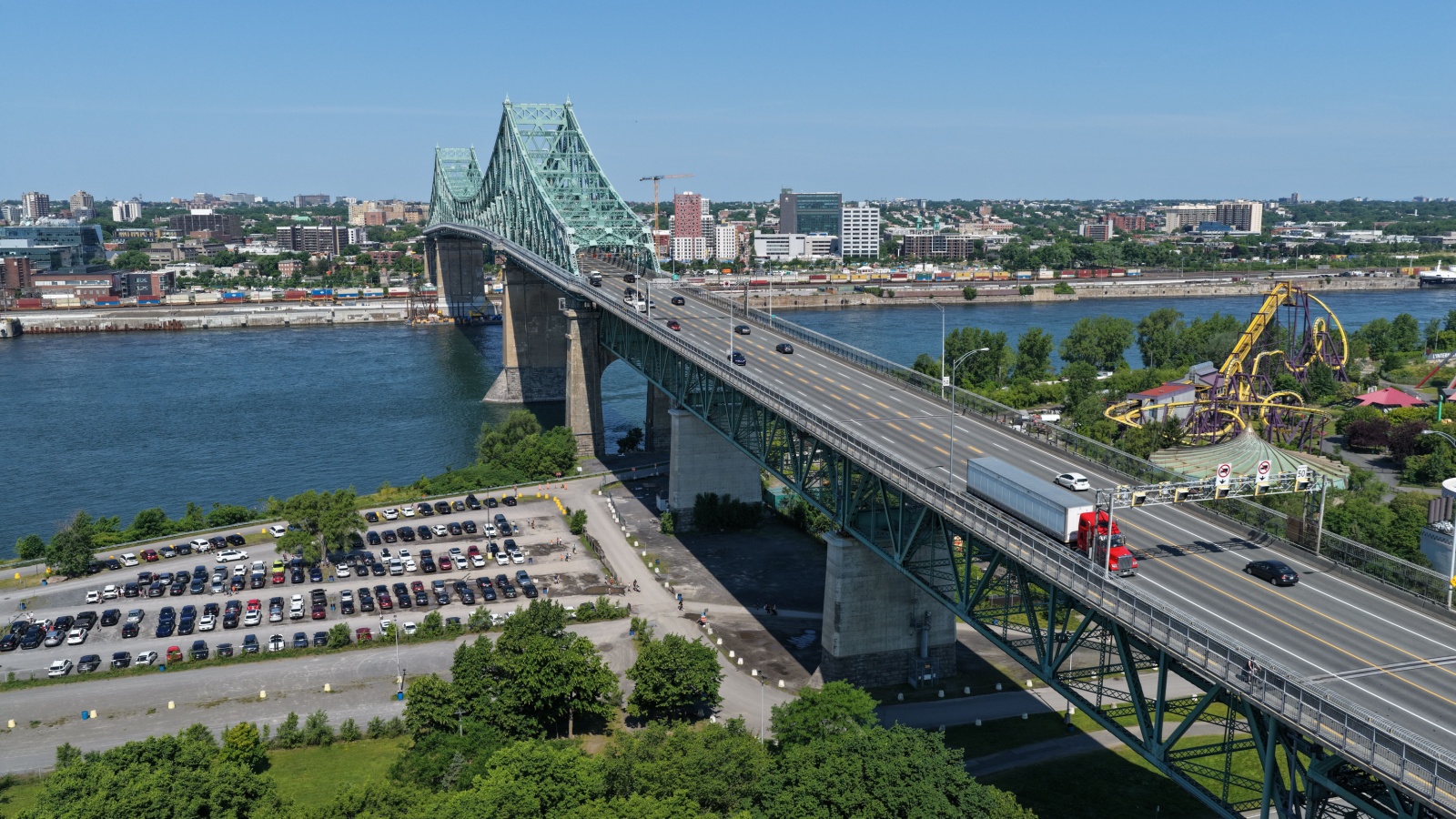
Québec City has been gaining attention as newcomers and Quebec residents look beyond Montréal. Statistics Canada reported that the Québec CMA more than doubled its share of immigrants settling in Quebec between 2019–2020 and 2024–2025, rising from 6.7% to 14.7%. Its population also rose from about 845,000 in 2021 to about 904,000 in 2025, giving it the feel of a capital city growing into a larger national role.
The city’s appeal is rooted in stability: public administration, insurance, education, health care, tourism, and a strong regional identity. For francophone families and immigrants comfortable building a life in French, Québec City offers urban scale without Montréal’s same housing pressures or traffic intensity. Its historic core, universities, winter culture, and expanding suburbs make it feel both established and newly dynamic.
Kitchener–Cambridge–Waterloo, Ontario
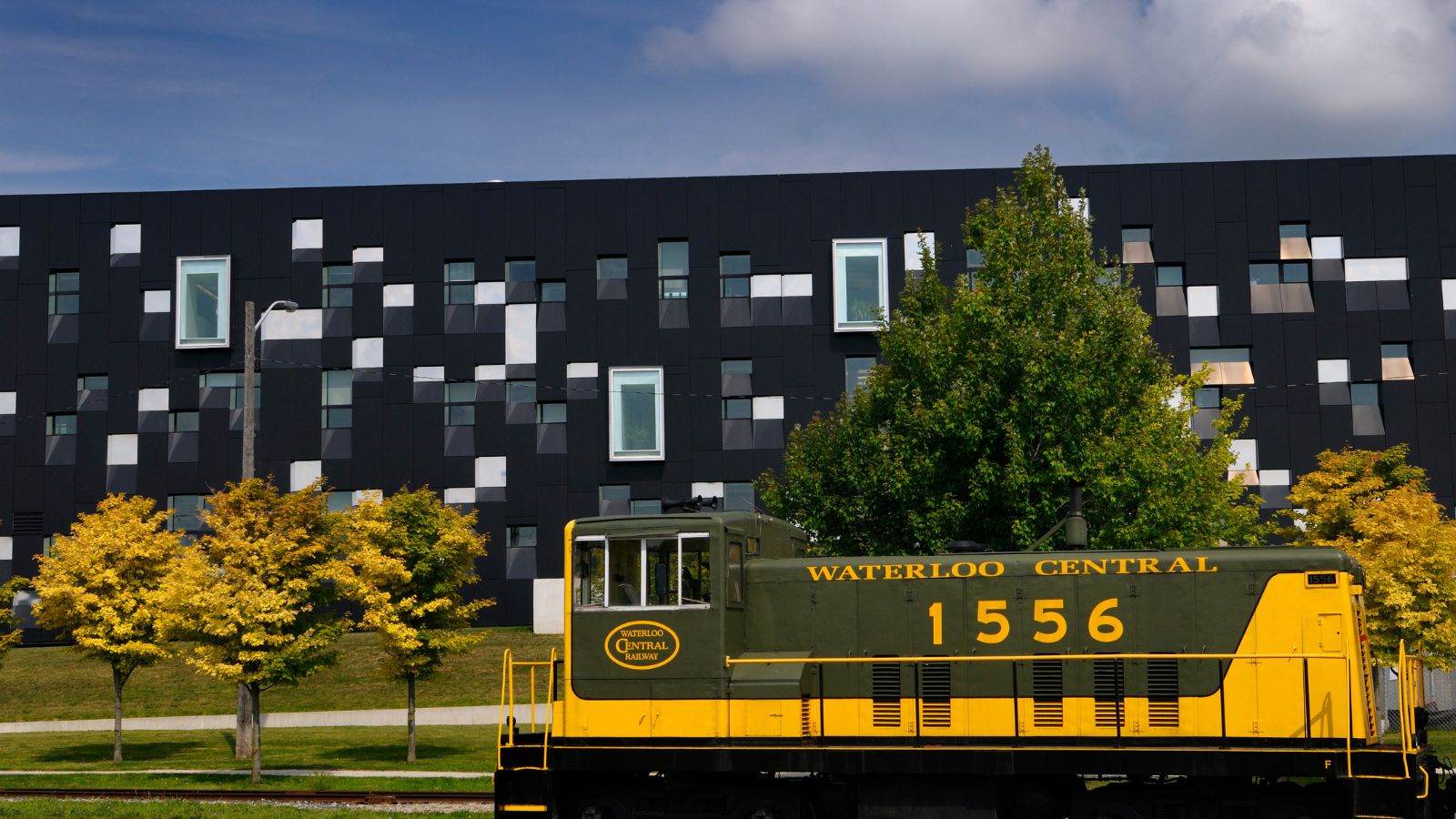
Kitchener–Cambridge–Waterloo has become one of Ontario’s clearest alternatives to Toronto. Its CMA population rose from about 602,000 in 2021 to more than 701,000 in 2025, placing it among the country’s major growth centres. The region is helped by universities, college programs, start-ups, advanced manufacturing, insurance, and a tech ecosystem that gives it more economic depth than many similarly sized places.
The migration pattern is easy to understand. People who once saw Waterloo Region as a student or tech corridor now see it as a place to settle permanently. Toronto remains close enough for business ties, but housing, commuting patterns, and community scale feel different. New subdivisions, intensification near transit, and busier downtowns in Kitchener and Waterloo show how quickly the region has shifted from a secondary market to a primary destination.
London, Ontario

London has quietly become a major landing spot in southwestern Ontario. Its CMA population increased from about 568,000 in 2021 to about 633,000 in 2025, helped by its role as a health, education, manufacturing, and regional services hub. The city’s universities, hospitals, and growing industrial base make it more than a bedroom community for larger centres.
For many households, London offers a middle path: large enough for careers and cultural amenities, but smaller than Toronto, Mississauga, or Brampton. Western University, Fanshawe College, health sciences, insurance, logistics, and nearby auto-sector activity all contribute to demand. The growth has brought familiar pressures, including rental shortages and more traffic, but the city’s location between Toronto, Windsor, and the U.S. border keeps it attractive for people trying to balance opportunity and cost.
Oshawa, Ontario
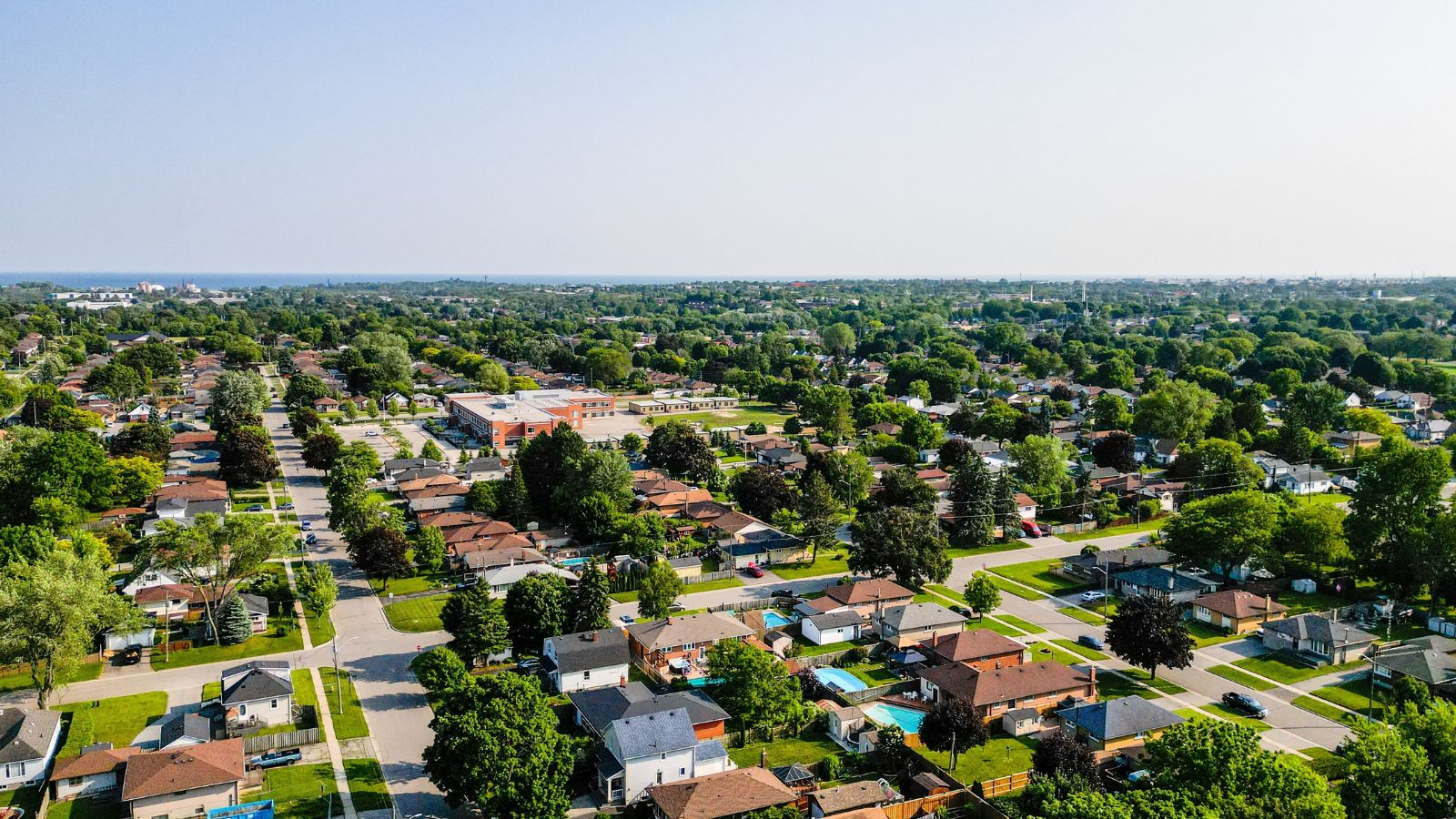
Oshawa’s transformation has been dramatic. Once defined mainly by auto manufacturing, the Oshawa CMA grew from about 434,000 people in 2021 to about 493,000 in 2025. Its location at the eastern edge of the Greater Toronto Area makes it especially attractive to households pushed outward by high home prices closer to Toronto.
The city still carries its industrial identity, but its modern appeal is broader. Ontario Tech University, Durham College, health care expansion, GO Transit access, and new residential development have made Oshawa feel increasingly like a self-contained urban centre rather than just a commuter extension. Families moving east often find more space for the price, while still keeping access to Toronto jobs and services. That pressure has reshaped surrounding Durham communities as well, from Whitby to Clarington.
Barrie, Ontario
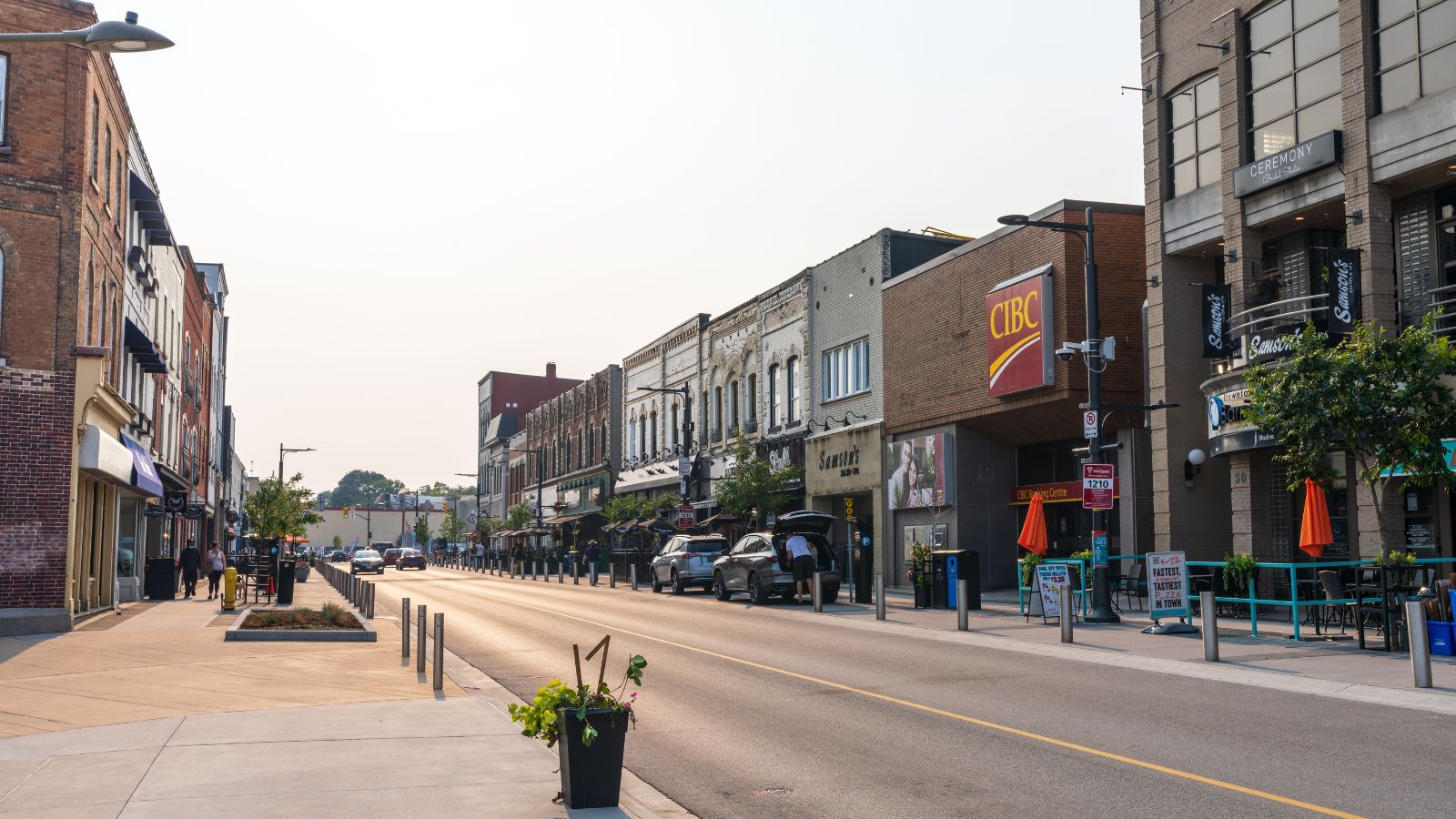
Barrie has become one of the most visible examples of Toronto’s outward population pressure. Its CMA population grew from about 222,000 in 2021 to roughly 252,000 in 2025. For years, it has attracted commuters, young families, retirees, and people who want access to both the Greater Toronto Area and cottage-country recreation.
The city’s location is its strongest asset. Highway 400 connects it south to Toronto and north to Muskoka, while GO Transit gives some residents a rail link into the region. Lake Simcoe, newer subdivisions, and a growing service economy make Barrie feel like a lifestyle upgrade for people who are tired of denser suburbs. The challenge is that success has made Barrie less cheap than it once was, especially as housing demand spills into nearby Innisfil, Springwater, and Oro-Medonte.
Kelowna, British Columbia

Kelowna has long been associated with retirement, wineries, and summer tourism, but its growth story is now broader. The CMA population rose from about 232,000 in 2021 to around 255,000 in 2025. The Okanagan’s appeal remains obvious: lakefront living, mountain access, a major airport, a university campus, health services, and a climate that draws people from colder parts of Canada.
Yet Kelowna’s popularity comes with complications. Housing costs have climbed, wildfire risk has become a recurring concern, and the labour market can be uneven because tourism, construction, health care, and services dominate many opportunities. Still, people keep arriving because the city offers a rare combination of urban convenience and resort-region lifestyle. For remote workers and retirees, that mix can outweigh the higher cost of living.
Nanaimo, British Columbia
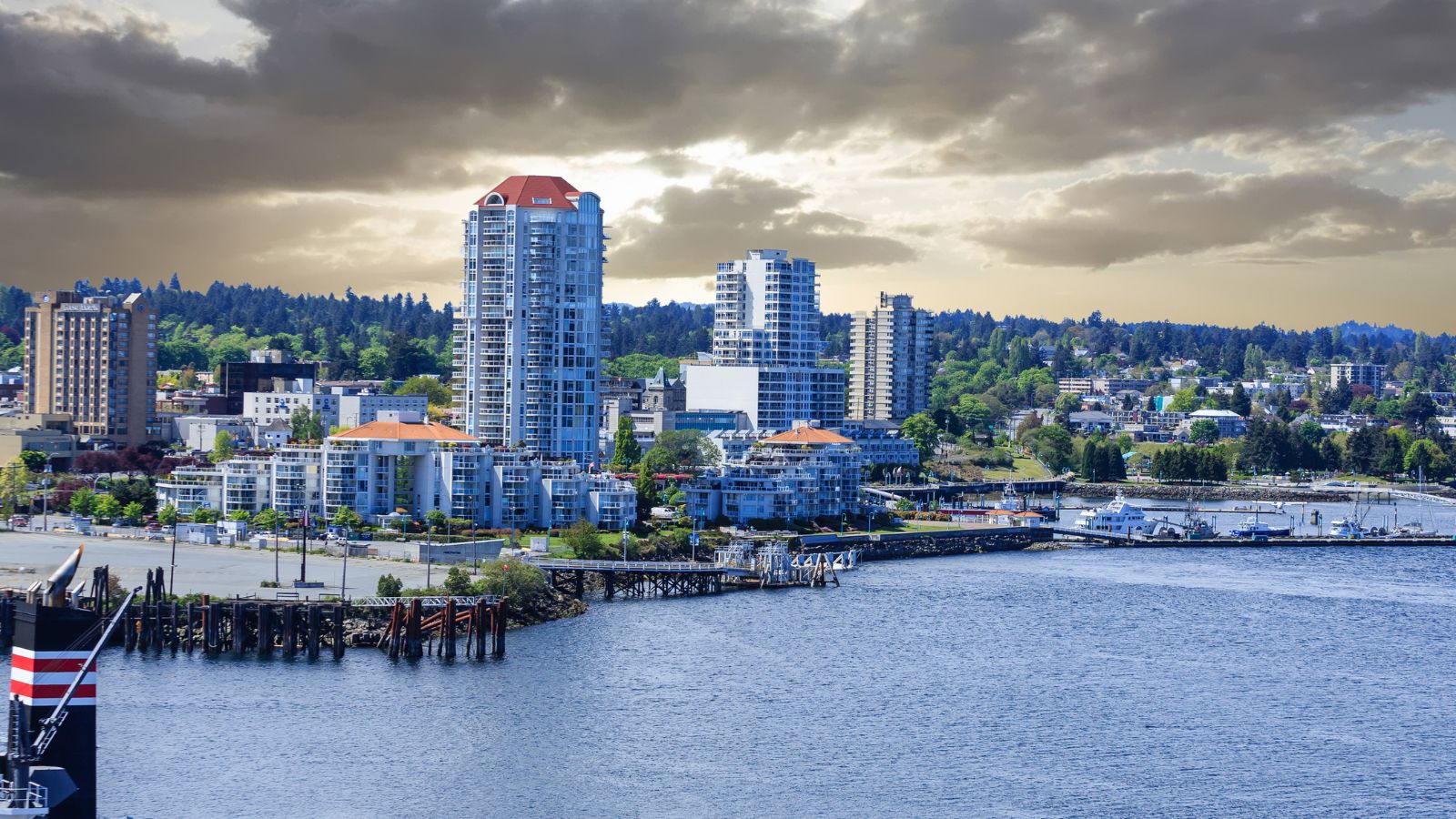
Nanaimo has become one of Vancouver Island’s most important growth valves. Its CMA population increased from about 120,000 in 2021 to nearly 130,000 in 2025. That may look modest beside Calgary or Edmonton, but for a coastal city with ferry dependence and limited land supply, the change is deeply felt in rents, roads, and local services.
The attraction is easy to see. Nanaimo offers ocean access, a working harbour, Vancouver Island University, regional shopping, health care, and ferry links to Metro Vancouver. Many arrivals are retirees, remote workers, tradespeople, and families who want Island living without Victoria’s higher prices. Growth has also forced hard conversations about homelessness, infrastructure, and housing density. Nanaimo is no longer just a stop on the way up-island; it is becoming a primary destination.
Halifax, Nova Scotia
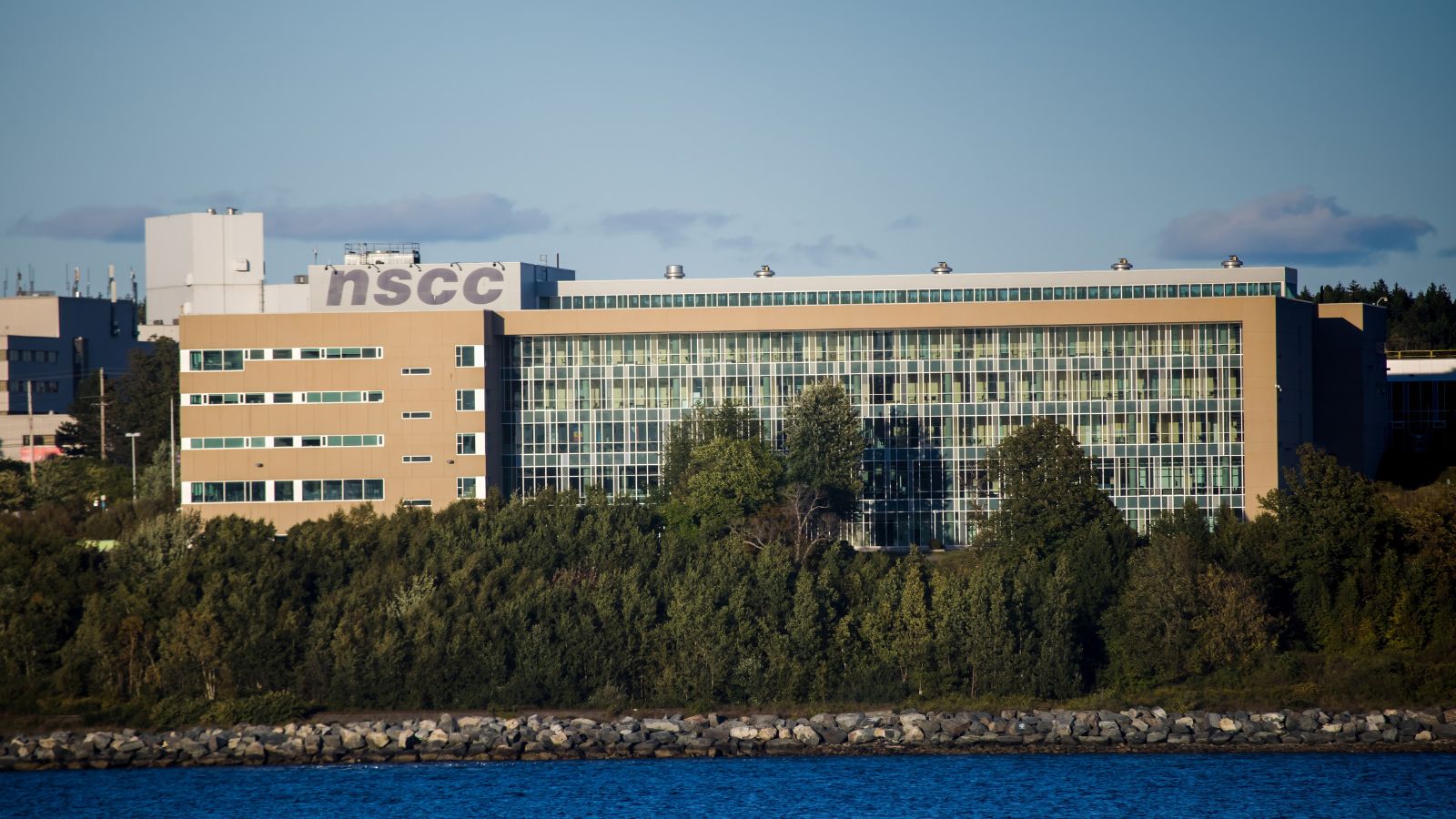
Halifax has become Atlantic Canada’s best-known population magnet. Its CMA population rose from about 482,000 in 2021 to about 545,000 in 2025. The city benefits from universities, hospitals, defence, port activity, technology jobs, and the cultural pull of a walkable harbour city. In a region once known for outmigration, Halifax now looks like a city trying to keep up with demand.
The human story is visible in neighbourhoods that have changed quickly. Students stay after graduation, newcomers choose Halifax over larger central Canadian cities, and former residents return from Ontario or Alberta with remote-work flexibility. Growth has brought serious pressure, especially in rents and housing supply, but it has also added energy to restaurants, construction, transit debates, and suburban development in places such as Bedford, Sackville, and Dartmouth.
Charlottetown, Prince Edward Island
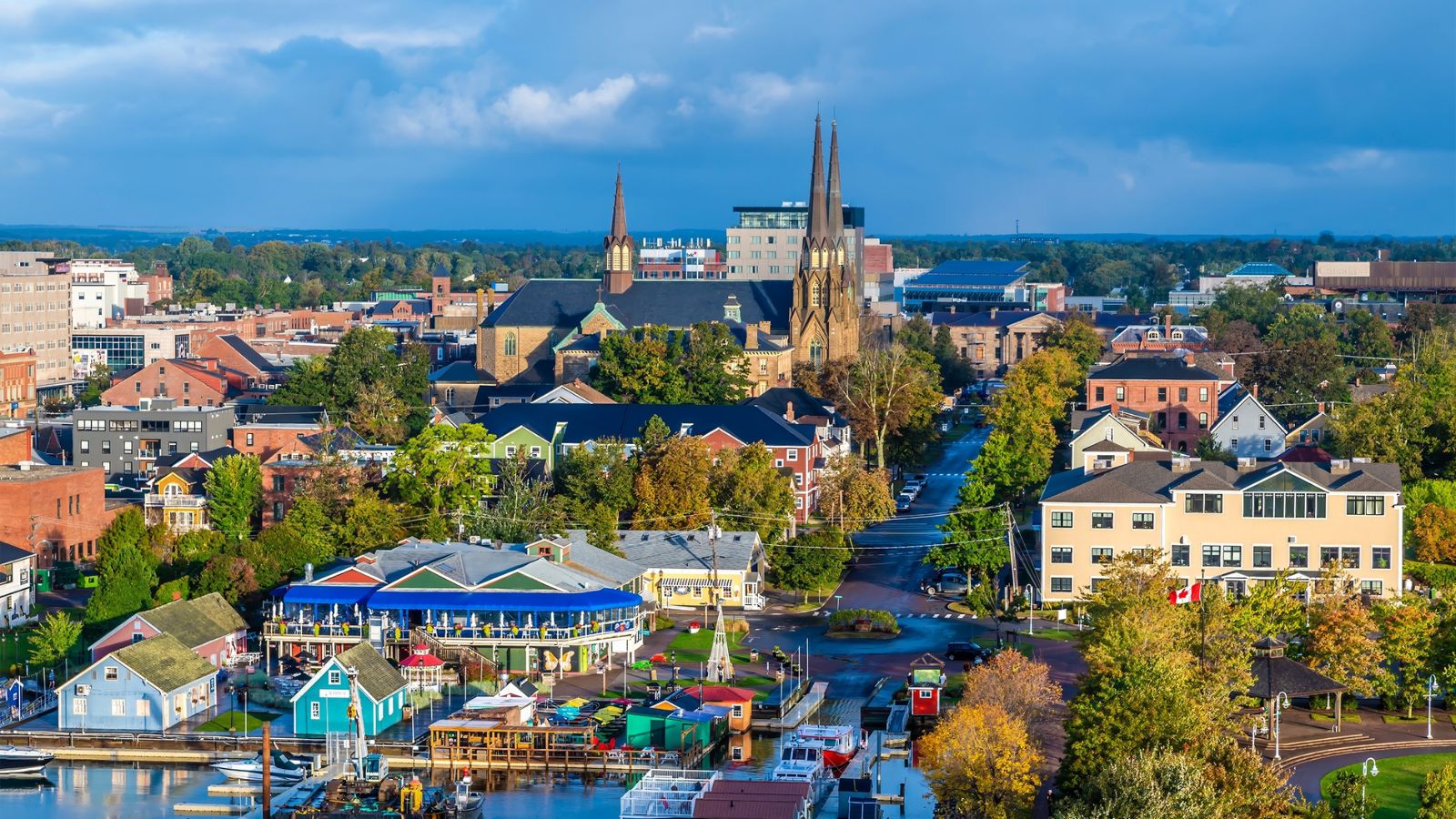
Charlottetown’s growth has been striking for a small capital. Its census agglomeration rose from about 83,000 people in 2021 to more than 96,000 in 2025. Prince Edward Island has also seen strong rural and small-town population growth in recent years, making the province an unusual case where both the capital and surrounding communities have attracted attention.
The city’s appeal is built on scale. Charlottetown is small enough to feel personal but large enough to offer a university, provincial government jobs, tourism, health services, and a growing newcomer community. For people leaving larger metros, the city can feel manageable, coastal, and community-oriented. At the same time, rapid growth has strained housing supply and made affordability a much bigger local issue than outsiders sometimes expect from Canada’s smallest province.
Saskatoon, Saskatchewan

Saskatoon has been gaining population and confidence. Its CMA population increased from about 328,000 in 2021 to roughly 378,000 in 2025. The city combines a university-driven economy, agriculture services, mining links, health care, research, and a growing food-processing and technology presence. It has increasingly become Saskatchewan’s youthful, entrepreneurial counterweight to older prairie stereotypes.
The South Saskatchewan River gives the city a strong visual identity, while the University of Saskatchewan anchors research, medicine, and student migration. For families and skilled workers, Saskatoon offers a middle-sized market with more room than larger Canadian metros and more career options than many smaller prairie towns. Growth has not erased affordability concerns, but compared with Toronto or Vancouver, the city still feels reachable to many households.
Regina, Saskatchewan

Regina’s growth is steadier than Saskatoon’s but still significant. Its CMA population rose from about 257,000 in 2021 to about 291,000 in 2025. As Saskatchewan’s capital, Regina benefits from government employment, insurance, agriculture, logistics, energy services, and a central role in provincial administration. That mix gives it a stability that can be attractive during uncertain economic periods.
The city’s appeal is often practical rather than glamorous. Homes have historically been less expensive than in Canada’s largest metros, commutes are shorter, and professional opportunities exist in both public and private sectors. Newcomers and interprovincial movers often find Regina easier to navigate than larger cities. The city still faces challenges, including downtown vacancy, infrastructure needs, and winter severity, but population growth shows that many people continue to see it as a viable place to build a life.
Winnipeg, Manitoba
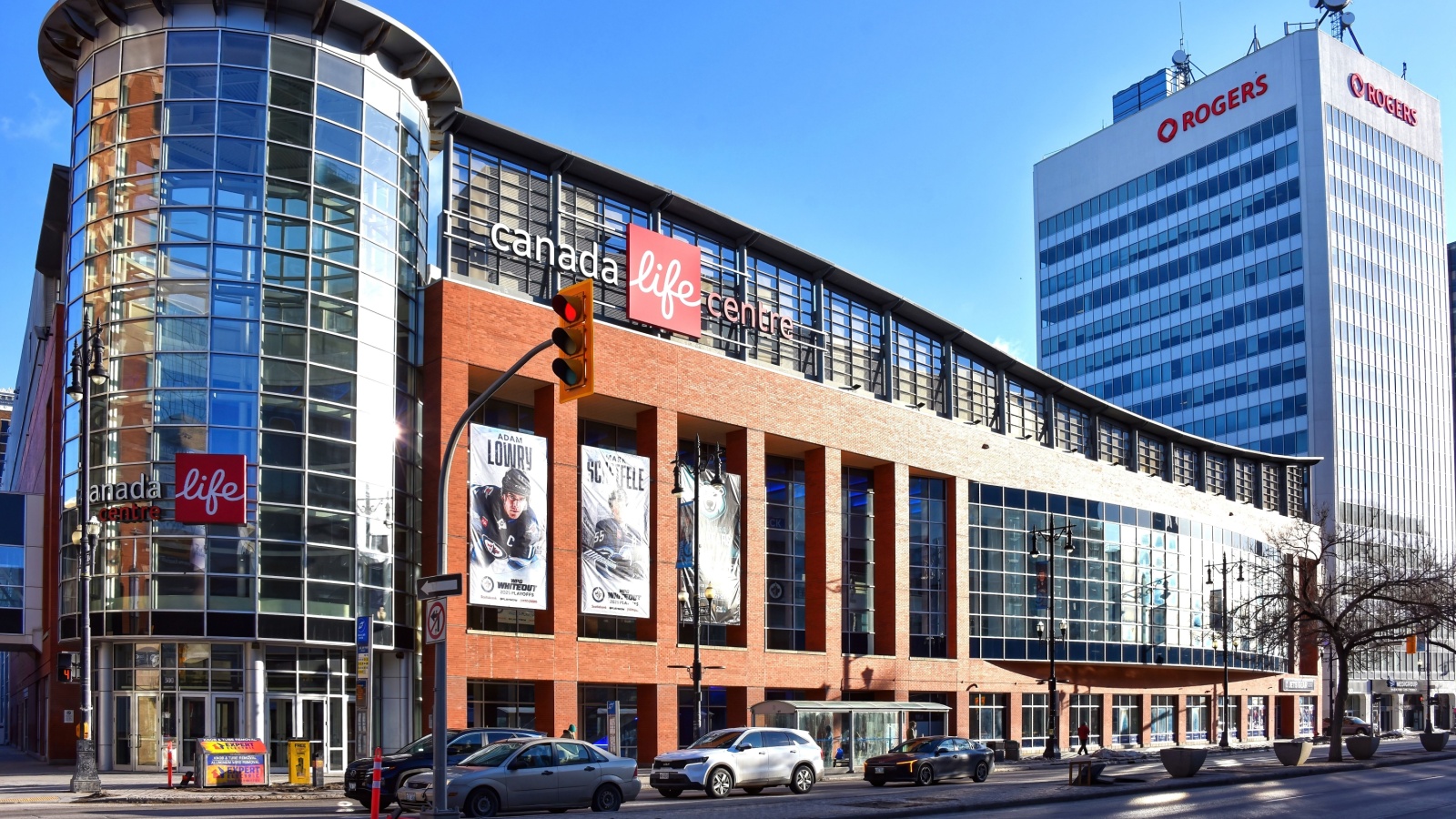
Winnipeg remains one of Canada’s most important population anchors outside the largest three metros. Its CMA population climbed from about 860,000 in 2021 to about 952,000 in 2025. City planning documents show that much of Manitoba’s population growth over the past decade has been absorbed by the Winnipeg region, reinforcing its role as the province’s dominant economic and settlement hub.
The appeal is rooted in affordability, diversity, and institutional strength. Winnipeg has universities, hospitals, finance, transportation, manufacturing, arts institutions, and one of Canada’s most established newcomer communities. It is not a boomtown in the Calgary sense, but it offers a durable urban platform at a lower cost than many other large cities. For newcomers and families priced out elsewhere, Winnipeg’s combination of jobs, culture, and relative affordability remains powerful.
Lethbridge, Alberta

Lethbridge has become a smaller Alberta growth story worth watching. Its CMA population rose from about 129,000 in 2021 to about 143,000 in 2025, while Alberta’s regional data shows the municipality continuing to grow in 2025. The city sits far enough from Calgary to have its own identity, but close enough to benefit from southern Alberta’s wider economic activity.
The city’s appeal comes from education, agriculture, health care, government services, and a lower-cost lifestyle than Calgary or Edmonton. The University of Lethbridge and Lethbridge Polytechnic bring students and workers, while the surrounding region supports food processing, irrigation agriculture, and logistics. For families seeking a prairie city with shorter commutes and more affordable housing, Lethbridge has become a realistic alternative rather than a fallback.
19 Things Canadians Don’t Realize the CRA Can See About Their Online Income

Earning money online feels simple and informal for many Canadians. Freelancing, selling products, and digital services often start as side projects. The problem appears at tax time. Many people underestimate how much information the CRA can access. Online platforms, banks, and payment processors create detailed records automatically. These records do not disappear once money hits an account. Small gaps in reporting add up quickly.
Here are 19 things Canadians don’t realize the CRA can see about their online income.
