
Across Canada, the price of ordinary financial life is not always rising through one dramatic charge. More often, it creeps up through monthly account packages, service add-ons, bill-payment rules, card costs, telecom extras, and household utilities that feel small until they repeat.
These 14 quiet fee changes show how Canadian bank accounts and monthly bills can become more expensive even when the headline price looks familiar. Some charges are being capped or regulated, while others are shifting into different corners of statements, contracts, and automatic payments. The common thread is that households are being asked to pay closer attention to the fine print.
Monthly Chequing Fees That Now Demand Bigger Balance Cushions

Monthly chequing fees remain one of the most familiar charges in Canadian banking, but the quieter change is how much cash households often need to keep parked to avoid them. Many major account packages waive monthly fees only when a minimum daily balance is maintained for the full month. That balance can be several thousand dollars, which means the “free” account may still carry a hidden opportunity cost for people who could otherwise use that money to pay down debt, build emergency savings, or earn interest elsewhere.
For a household already juggling rent, groceries, insurance, and loan payments, missing the balance requirement by even one day can trigger the full monthly fee. The effect is easy to overlook because it does not feel like a penalty at the checkout counter. It simply appears on a statement. A family that dips below the threshold after a car repair or dental bill may discover that their banking plan was only fee-free when cash flow was unusually comfortable.
Pay-Per-Use Transactions That Punish Small Banking Habits
Some bank accounts still limit the number of included debit transactions, withdrawals, bill payments, or transfers. Once the monthly allowance is used up, extra activity can create per-transaction charges. These fees rarely look dramatic on their own, but they can quietly penalize people who make many small purchases, transfer money between accounts, or split household expenses throughout the month. A few extra debits may not seem like much, but repetition turns tiny fees into a recurring cost.
This can hit students, seniors, gig workers, and newcomers especially hard because their banking patterns may be less predictable. Someone paid weekly may move money more often than a salaried worker paid twice a month. A parent using debit for school lunches, transit, pharmacy trips, and groceries may hit a transaction cap without noticing. The account may still be advertised as low-cost, but the real price depends on behaviour that is easy to underestimate.
NSF Fees Are Being Capped, But Failed Payments Still Hurt

Non-sufficient funds fees have been one of the most painful surprise charges in Canadian banking. A failed pre-authorized payment could once trigger a large fee from the bank, followed by another charge from the company expecting payment. New federal rules now cap NSF fees charged by federally regulated banks at $10, which is a major reduction from the much higher charges many customers previously faced.
That does not mean failed payments have become harmless. A missed insurance, rent, loan, or phone payment can still create late fees, service interruptions, or credit consequences. The bank fee may be lower, but the household disruption remains real. A worker whose paycheque arrives one day late can still be caught between automatic withdrawals and rigid billing systems. The fee change helps, but it also shifts attention to the broader chain reaction that begins when a payment bounces.
Overdraft Protection Fees That Feel Like Insurance Until They Add Up

Overdraft protection is often presented as a safety net, and for many people it can prevent a declined payment or NSF charge. The quieter issue is that overdraft protection can come with monthly fees, item fees, and interest when it is actually used. A household may sign up for peace of mind and forget that the protection itself has a price, especially if the account slips below zero more than once during a tight month.
The cost can be subtle because overdraft fees are usually smaller than the panic caused by a bounced payment. Still, they can normalize living slightly behind. A $40 grocery run that pushes an account negative may be covered, but interest and handling charges can follow. For consumers who use overdraft as an informal bridge between paydays, the feature can become less like emergency protection and more like a recurring short-term borrowing cost.
ATM Convenience Fees That Turn Cash Into an Expensive Withdrawal

ATM fees are another classic example of small charges hiding in plain sight. Canadians may face several layers of cost when using an out-of-network machine: their own bank’s fee, a network access fee, and a convenience fee from the ATM operator. Private or “white-label” machines in bars, corner stores, malls, and event venues can be especially expensive because they are built around convenience rather than low-cost access.
The emotional trigger is usually urgency. Someone needs cash for parking, a school fundraiser, a market stall, or a restaurant that does not accept cards. The machine is nearby, the fee screen appears, and the withdrawal goes through. On a small withdrawal, the fee can represent a surprisingly large percentage of the cash taken out. The quiet change is not that cash disappeared, but that accessing it outside a preferred network can feel increasingly like paying a cover charge for one’s own money.
Paper, Records, Cheques, and Drafts That Cost More Than Expected

Digital banking has reduced many routine costs, but it has also made paper-based services feel more expensive when people still need them. Paper statements, account records, cheque orders, certified items, stop payments, and bank drafts can all carry separate fees depending on the institution and account package. These charges often show up during stressful moments: closing a real estate deal, replacing a lost cheque, proving income, or helping an elderly relative manage paperwork.
The frustration is that these services are not always optional in real life. A landlord, lawyer, school, government office, or small business may still ask for specific documents or payment formats. A person who rarely visits a branch can suddenly face a service fee simply because one transaction falls outside the digital norm. The fee may be disclosed, but it often feels unexpected because the need for the service comes from someone else’s requirements.
Safety Deposit Box Fees That Are Rising With Less Visibility

Safety deposit boxes are not top of mind for most households, which is exactly why their fee changes can slip by unnoticed. Annual box fees depend on size and availability, and some banks have adjusted safety deposit box pricing or account-package benefits tied to them. Customers may only notice when an annual charge posts or when a package that once softened the cost no longer covers as much as expected.
This affects people who use boxes for wills, jewelry, immigration papers, property deeds, family photos, or heirlooms. A retiree may keep the same box for decades and rarely compare alternatives. A newcomer may see it as a secure place for original documents. Because the service is used quietly and billed infrequently, price changes can feel detached from day-to-day budgeting. By the time the fee appears, the customer may pay simply to avoid the hassle of moving sensitive items.
Dormant and Inactive Account Fees That Catch Forgotten Money

Dormant account fees are easy to miss because they are attached to accounts people are already ignoring. A small savings account opened years ago, a youth account from a first job, or an old credit card left unused may quietly become subject to inactivity rules. Financial institutions generally have procedures for inactive accounts, and balances may eventually be treated as unclaimed if there is no customer activity for long enough.
The amounts involved may be modest, but the principle matters. Canadians often spread money across multiple banks, apps, credit cards, and old accounts. A forgotten $80 balance can shrink through fees or become harder to recover if contact information is outdated. The human version is familiar: someone moves provinces, changes email addresses, switches banks, and assumes the old account is harmless. Years later, the account is not gone, but the balance has been nibbled away by neglect.
Credit Card Fees Beyond the Interest Rate

Credit card costs are often discussed through interest rates, but the fee menu can be just as important. Annual fees, additional-card fees, cash advance charges, balance transfer fees, over-limit charges, and cash-like transaction fees can all affect the real cost of carrying or using a card. Rewards cards may also appear attractive while quietly requiring enough spending to justify the annual fee.
This matters because many households use credit cards as financial infrastructure, not luxury products. They pay for groceries, subscriptions, travel bookings, gas, online purchases, and emergency repairs. A card with airport perks or cash back may be worthwhile for one family but wasteful for another. The danger is inertia. Once a card is attached to automatic payments, cancelling or downgrading it feels inconvenient. The annual fee then becomes a subscription to a financial product the household may no longer actively value.
Foreign Transaction Fees That Hide Inside Travel and Online Shopping

Foreign transaction fees are often invisible until a statement arrives. Many Canadian credit cards add a percentage-based foreign currency conversion charge when purchases are made in another currency. That can apply during travel, but also to online shopping, app purchases, hotel bookings, U.S. streaming add-ons, or international marketplace orders. The exchange rate itself may already feel uncertain; the added card fee makes the final cost harder to predict.
This is especially relevant as Canadians book more travel, buy from U.S. retailers, and pay for digital services billed outside Canada. A small subscription in U.S. dollars can quietly cost more every month once conversion and card fees are included. A family planning a summer trip may carefully compare hotel prices, then overlook the payment-card layer. The fee does not announce itself at the moment of purchase. It arrives later, blended into the converted amount.
Credit Card Surcharges and Checkout Convenience Fees

Some Canadian merchants are allowed to add surcharges to credit card transactions, subject to payment-network rules and provincial restrictions. Quebec is a major exception where consumer credit card surcharging is generally not permitted. Elsewhere, the change has created a new checkout moment: paying by credit card may cost more than debit, cash, or another payment method. For consumers used to treating card rewards as free value, that shift can be jarring.
The fee often appears in places where margins are tight or processing costs are highly visible: professional services, small retailers, event sellers, trades, tuition portals, or bill-payment platforms. The surcharge may be small, but it changes the math behind rewards points and cash back. A 1.5% reward is less attractive when a convenience fee is higher. The household lesson is simple but uncomfortable: the payment method itself has become part of the price.
Telecom Activation, Change, Cancellation, and Roaming Charges Under Scrutiny

Canadian telecom bills have long been a source of irritation because the advertised monthly price can differ from the lived cost. Activation fees, plan-change fees, cancellation rules, roaming charges, device financing, and expiring promotions can all affect the final bill. Recent CRTC action shows how serious the issue has become: regulators have moved to improve notifications before discounts end and to reduce bill shock tied to roaming and account changes.
The quiet fee change here is not always a new charge. Sometimes it is the end of a discount that made a plan feel affordable. A household signs up for internet at a promotional rate, builds the amount into its budget, and months later the bill jumps. A traveller turns on roaming for a short trip and finds the charge repeated by day. These fees often arrive after the decision has already been made, when switching providers is inconvenient.
Streaming and Subscription Add-Ons That Turn Entertainment Into a Bill Stack

Streaming was once marketed as the cheaper alternative to cable, but subscription bills now behave more like a stack of mini-utilities. Price increases, ad-free upgrades, extra-member charges, sports add-ons, premium tiers, and annual plan changes can all push the monthly total higher. Because each service may cost less than a traditional utility bill, the increases can feel too small to challenge individually.
The household problem is accumulation. One person keeps a music service, another adds a sports package, the family shares a video platform, and a child’s app renews annually. Password-sharing restrictions and extra-member fees have also changed the economics of accounts once shared across households. The emotional hook is convenience: no one wants to cancel the show halfway through a season. Yet over a year, a few dollars added to several subscriptions can rival a more obvious household bill.
Utility Delivery, Fixed, and Late-Payment Charges That Rise Even When Usage Falls

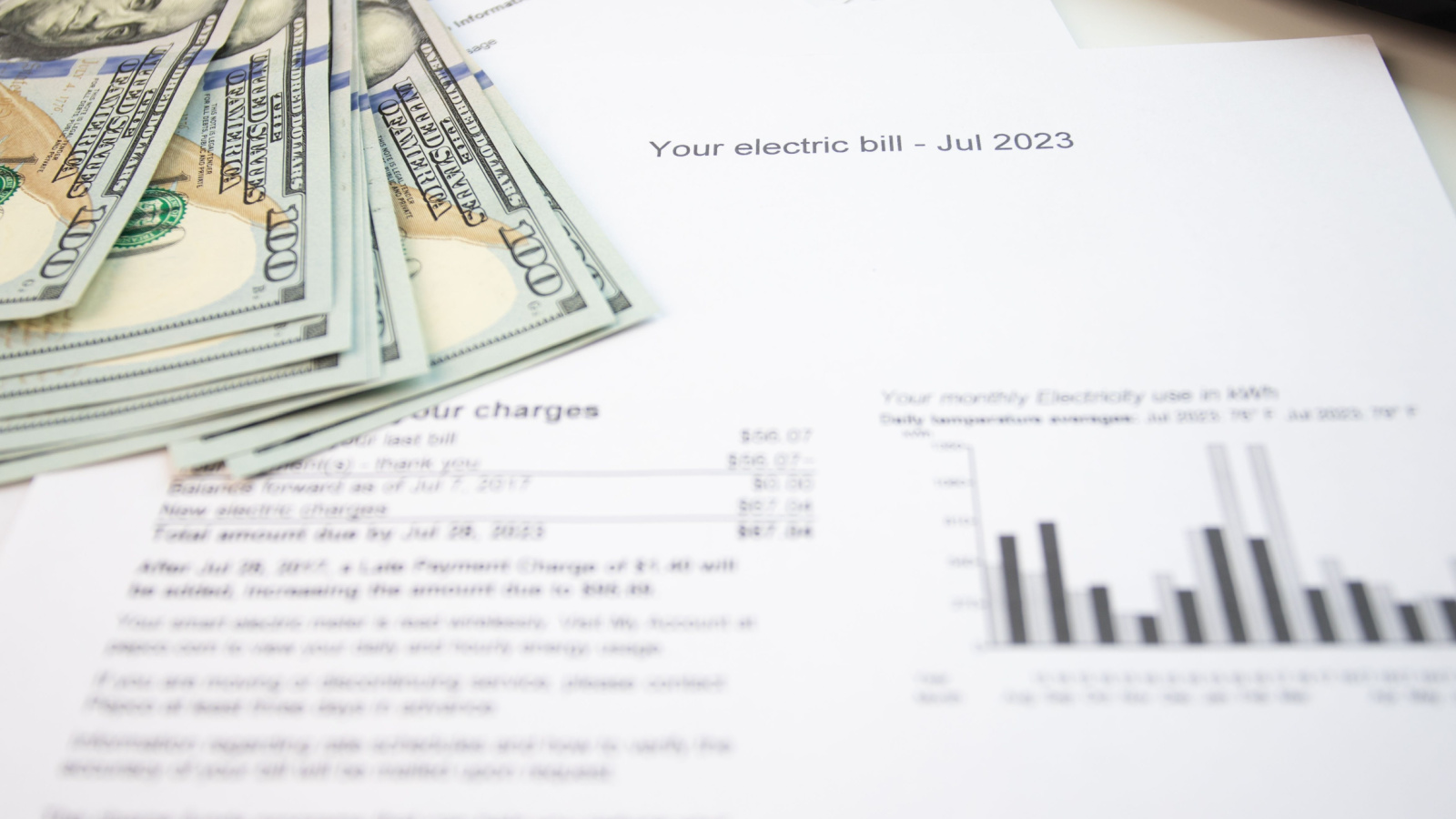
Utility bills can be confusing because the cost is not only about consumption. Electricity and gas bills may include delivery, fixed customer charges, regulatory items, debt retirement or adjustment lines, taxes, and late-payment charges. In some rate structures, fixed costs make up a meaningful portion of the bill, which means using less energy does not always reduce the total as much as households expect.
That disconnect can be frustrating. A household may lower the thermostat, replace bulbs, or run appliances off-peak, then see a bill that barely moves because fixed and delivery-related charges remain. Late-payment charges can add another layer when cash flow is tight. The result is a monthly bill that feels less controllable than the usage meter suggests. For Canadians trying to budget carefully, the quiet change is the growing importance of understanding the full bill, not just the headline rate per kilowatt-hour or cubic metre.
19 Things Canadians Don’t Realize the CRA Can See About Their Online Income

Earning money online feels simple and informal for many Canadians. Freelancing, selling products, and digital services often start as side projects. The problem appears at tax time. Many people underestimate how much information the CRA can access. Online platforms, banks, and payment processors create detailed records automatically. These records do not disappear once money hits an account. Small gaps in reporting add up quickly.
Here are 19 things Canadians don’t realize the CRA can see about their online income.
