Canadian retail has always had a few names that felt almost permanent: the mall anchors, the weekly grocery stops, the home-improvement regulars, the toy aisles, the coffee counters, and the big-box brands that seemed woven into everyday routines. But loyalty is being tested by tighter household budgets, online shopping, discount competition, shifting mall traffic, higher operating costs, and consumers who compare prices more aggressively than ever.
These 23 Canadian chain stores are not necessarily disappearing, and some remain profitable or even expanding. Still, each one faces pressures that make it feel less untouchable than it once did. Familiarity alone no longer guarantees traffic, pricing power, or long-term dominance.
Hudson’s Bay
For generations, Hudson’s Bay felt less like a retailer and more like Canadian retail infrastructure. Its striped blankets, downtown flagships, and department-store format made it a familiar part of shopping districts across the country. That image changed dramatically when the company entered creditor protection and moved through liquidation, a stunning moment for a business with roots stretching back to 1670.
The larger lesson is that heritage does not shield a chain from modern retail math. Big stores, weaker mall traffic, discount competition, e-commerce habits, and softer discretionary spending all put pressure on the old department-store model. Hudson’s Bay still carries enormous cultural recognition, especially after Canadian Tire acquired its brand assets, but the collapse of the physical store network showed how quickly even Canada’s most historic retail name could lose its footing.
Indigo
Indigo once seemed to own the Canadian bookstore conversation. Its large-format stores blended books, gifts, stationery, toys, café culture, and lifestyle merchandise into a destination that felt warmer than a typical big-box retailer. But the company’s path became more complicated after a difficult period that included profitability issues, leadership changes, and a major cyberattack that disrupted parts of the business.
Going private in 2024 signaled that Indigo needed breathing room away from public-market scrutiny. The brand still has a loyal customer base, and bookstores can benefit from discovery, browsing, and community appeal in ways online platforms cannot fully copy. Still, Amazon, digital reading, low-margin books, and the challenge of balancing lifestyle goods with literary identity mean Indigo’s place is no longer automatic.
Canadian Tire

Canadian Tire remains one of the strongest names in the country, with deep roots in automotive, tools, outdoor living, small appliances, and loyalty rewards. Its 2025 results were strong, and the company’s “made for life in Canada” positioning still resonates. Yet the very breadth that makes Canadian Tire powerful also makes it exposed to many pressures at once.
Seasonal weather, consumer caution, tariffs, foreign sourcing, and competition from Amazon, Walmart, Costco, Home Depot, and specialty retailers all affect different parts of the business. The sale of Helly Hansen also showed a sharper focus on the core Canadian retail operation. Canadian Tire is far from weak, but it now has to keep proving that its stores are more than nostalgic, convenient warehouses for products consumers can price-check in seconds.
SportChek

SportChek has long benefited from Canada’s love of hockey, running, winter gear, fitness, and branded athletic wear. It also has the scale of Canadian Tire Corporation behind it, which gives the chain marketing muscle and supply-chain support. Strong comparable sales in 2025 suggested that the banner can still perform when product, weather, and consumer demand line up.
The risk is that sporting goods are highly discretionary. A mild winter can hurt snow-sport categories, while inflation can make families delay new skates, jackets, bikes, or footwear. SportChek also competes with Nike, Adidas, Lululemon, Decathlon, Amazon, and direct-to-consumer brands that increasingly control their own customer relationships. The chain still matters, but it has to earn visits through selection, service, loyalty perks, and timely promotions.
Mark’s
Mark’s has an unusual position in Canadian retail: part workwear shop, part casual clothing store, part practical everyday basics destination. Its strength comes from serving customers who need durable shoes, coats, uniforms, and weather-ready apparel rather than purely fashion-driven purchases. That gives it resilience, especially in communities where workwear is not optional.
Still, Mark’s is not immune to changing habits. Consumers can buy basics from Costco, Walmart, Amazon, Uniqlo, Old Navy, and specialty workwear suppliers. The brand also has to balance durability with style, because younger shoppers may not automatically see it as their first stop for casual clothing. Strong recent results help, but the chain’s long-term challenge is staying relevant beyond its traditional workwear base.
Loblaw

Loblaw remains one of Canada’s most powerful retailers, with banners that touch groceries, pharmacies, private labels, financial services, beauty, and loyalty points. Its scale is enormous, and its 2025 results show that food and drug retail remain steady necessities. That kind of reach can make a company look almost untouchable.
But grocery dominance now comes with public scrutiny. Canada’s grocery sector has faced political attention, Competition Bureau concerns, consumer frustration over food prices, and growing interest in discount formats. Loblaw’s No Frills, Real Canadian Superstore, and private-label strength help it compete, but the public conversation around grocery profits and affordability has changed. Being big is still an advantage, but it also makes the company a target when shoppers feel squeezed.
Shoppers Drug Mart
Shoppers Drug Mart used to feel like one of the safest retail formats in Canada. Pharmacies, cosmetics, convenience items, snacks, prescriptions, flu shots, and late hours made it a habitual stop in many neighbourhoods. Backed by Loblaw, Shoppers also benefits from the PC Optimum ecosystem and a large national footprint.
The pressure comes from several directions. Front-store prices are often compared with grocery, dollar, warehouse, and online alternatives. Pharmacy services are growing, but public and government scrutiny of health-care delivery, reimbursement, and professional practices can create reputational risk. Shoppers remains a strong chain, but its old advantage as the default convenience pharmacy feels less effortless when consumers are more willing to split prescriptions, beauty, and household goods across cheaper channels.
Sobeys

Sobeys has more than a century of Canadian grocery history and remains a central banner within Empire’s national food retail network. The company has invested in store renovations, discount banners such as FreshCo, loyalty through Scene+, and e-commerce through Voilà and delivery partnerships. Recent results show that the business can still grow in a competitive market.
Yet Sobeys faces the same affordability challenge as every major grocer. Consumers increasingly shop flyers, move between stores, buy private label, and compare prices across Walmart, Costco, Dollarama, Giant Tiger, and local independents. Empire’s push into renovations and discount expansion suggests that standing still is not an option. Sobeys still has trust and reach, but grocery loyalty is becoming more conditional.
Metro
Metro has a strong base in Quebec and Ontario, with grocery and pharmacy banners that include Metro, Super C, Food Basics, Jean Coutu, and Brunet. Its performance has remained steady, and the company benefits from food retail’s defensive nature. But defensive does not mean pressure-free, especially when customers are increasingly sensitive to price.
Metro’s challenge is maintaining margins while keeping value visible. Discount banners help, but they also reveal a consumer shift away from traditional full-service grocery trips. Operational disruptions, food inflation, labour costs, and competition from larger national and international players can all chip away at the perception of stability. Metro is not fragile, but it must work harder to show shoppers why its stores deserve the weekly basket.
Dollarama

Dollarama may be one of the biggest winners of the affordability era. Its store count, sales growth, and traffic have been impressive, and the chain has become a regular stop for snacks, cleaning products, party supplies, seasonal goods, and household basics. In a tighter economy, its value message is extremely powerful.
That strength also creates new expectations. As Dollarama grows, shoppers notice price increases, smaller package sizes, product quality differences, and category overlap with grocery stores, Walmart, Costco, and online sellers. The chain still looks formidable, but it no longer feels like a secret value hack. It is now a major retailer under greater consumer and investor attention, and maintaining the bargain perception will be key.
Giant Tiger
Giant Tiger has long had a neighbourhood discount feel that separates it from larger corporate big-box stores. Its mix of grocery, apparel, home basics, seasonal goods, and local ownership gives it a practical, community-oriented identity. In smaller markets, it can feel more approachable than a massive warehouse or supermarket.
But the discount space is getting crowded. Dollarama, Walmart, Costco, No Frills, FreshCo, Amazon, and even grocery private labels all compete for the same budget-conscious household. Giant Tiger has invested in expansion and e-commerce, yet it must keep stores fresh without losing the low-cost feel customers expect. Its advantage is familiarity; its risk is being squeezed between ultra-cheap and ultra-convenient competitors.
Best Buy Canada

Best Buy Canada remains one of the few major electronics chains left standing after years of disruption in consumer tech retail. It benefits from product demos, Geek Squad services, appliances, gaming, phones, laptops, and in-store pickup. The Best Buy Express partnership with Bell expanded its smaller-format reach and replaced many former Source locations.
Still, electronics retail has become brutally competitive. Consumers research specs online, wait for sales, buy directly from Apple, Samsung, Amazon, or carrier stores, and replace devices less often when budgets are tight. Best Buy’s Canadian expansion through Express stores is notable, but the larger company continues to review store footprints and adapt to slower demand cycles. The brand remains relevant, but its category has changed permanently.
The Source
The Source was once a familiar mall and small-town electronics stop, especially for accessories, batteries, cables, headphones, and mobile services. Its RadioShack lineage gave it a nostalgic place in Canadian retail memory. But the chain’s identity weakened as electronics became cheaper, more commoditized, and easier to buy online.
The rebranding of many locations into Best Buy Express marked a major turning point. Some stores gained a new life under a stronger electronics banner, while others disappeared. The Source’s story shows how a known retail name can fade not because consumers suddenly reject it, but because the category around it changes. Small-format electronics stores now need telecom partnerships, pickup convenience, service support, and powerful branding to survive.
Staples Canada
Staples used to be the default stop for binders, printer paper, ink cartridges, office chairs, school supplies, and small-business basics. That world still exists, but it is smaller and more complicated after hybrid work, digital documents, online ordering, and competition from Amazon and Walmart. Staples Canada has responded by leaning into print, shipping, business services, coworking, and redesigned store formats.
The reinvention is necessary because office supplies alone no longer feel like a guaranteed traffic engine. A shopper may still need passport photos, printing, shipping, tech accessories, or a chair, but fewer households browse office aisles the way they once did. Staples remains useful, yet its future depends on becoming a service hub rather than just a stationery warehouse.
GameStop Canada / EB Games

GameStop Canada, now tied to the return of the EB Games name after a sale of the Canadian business, reflects one of the clearest category shifts in retail. Physical game discs, trade-ins, midnight launches, and mall-based browsing used to define gaming culture. Digital downloads, subscriptions, online storefronts, and direct console ecosystems have changed that model.
The Canadian rebrand may help recover nostalgia, but nostalgia cannot fully reverse digital migration. The opportunity lies in collectibles, accessories, community events, used games, and fandom merchandise. The risk is that fewer gamers need a physical store for the core product. GameStop’s broader global struggles show how difficult the pivot can be, even when the brand remains well known.
Toys “R” Us Canada
Toys “R” Us Canada survived after the U.S. collapse and for years looked like a rare comeback story in toy retail. Its big aisles, birthday-gift trips, Babies “R” Us connection, and holiday-season visibility gave it a recognizable place in family shopping. But the chain has recently faced creditor protection and plans to reduce its footprint.
Toy retail is especially vulnerable because parents can buy from Walmart, Amazon, Costco, dollar stores, Indigo, specialty shops, and direct brand websites. The chain’s challenge is making stores feel experiential enough to justify the trip. Play areas, exclusive products, and baby categories can help, but the restructuring showed that the old big-box toy model is not as safe as it once appeared.
RONA
RONA has been through a complicated identity journey: Canadian roots, Lowe’s ownership, a sale to Sycamore Partners, and the conversion of Lowe’s Canada locations into RONA+ stores. That amount of rebranding can unsettle customers who simply want clarity about where to buy lumber, tools, paint, fixtures, and garden supplies.
Home improvement remains a large market, but it is tied to housing, renovation spending, interest rates, weather, and consumer confidence. RONA also faces Home Depot, Canadian Tire, Home Hardware, Costco, Amazon, and specialized building suppliers. The brand still has recognition, especially in Quebec, but it needs consistency after years of banner changes. In this category, trust is built aisle by aisle and project by project.
Home Hardware
Home Hardware has a different kind of strength because it is dealer-owned and often deeply connected to local communities. In many towns, it is not just a store but the place where staff know the difference between a quick repair and a weekend renovation. That personal-service model gives it resilience against faceless online shopping.
The challenge is scale. Home Depot, RONA, Amazon, Costco, and Canadian Tire can compete aggressively on price, assortment, and logistics. Independent-style service also depends on strong local operators and succession planning. Home Hardware’s community reputation remains valuable, but the broader hardware sector is dealing with changing renovation cycles, higher operating costs, and shoppers who increasingly mix expert advice with online price comparisons.
Leon’s
Leon’s has survived for generations by selling furniture, mattresses, appliances, and electronics through a familiar Canadian retail model: large showrooms, financing offers, delivery, and household-name advertising. Its 2025 performance was positive, showing that big-ticket home goods still move when the offer is right. The company also benefits from its wider network, including The Brick.
But furniture is one of the most interest-rate-sensitive retail categories. When housing slows, moves decline, renovation plans are delayed, and consumers hold on to sofas, tables, and appliances longer. Online furniture brands, warehouse clubs, IKEA, Wayfair, Costco, and marketplace sellers all add pressure. Leon’s is still a major player, but the showroom model has to justify itself with delivery reliability, financing discipline, product quality, and service.
The Brick
The Brick remains a familiar furniture and appliance name, especially for shoppers looking for promotional pricing, financing, and large-format selection. Its reach through Leon’s Furniture Limited gives it corporate backing and national scale. The brand still has a place in the Canadian home-goods market, particularly when consumers want to see mattresses, sofas, and appliances before buying.
The pressure is that furniture shopping has become more fragmented. Some shoppers go to IKEA for design and price, Costco for trust, Wayfair for online variety, or Facebook Marketplace for second-hand bargains. Big-ticket purchases also slow when mortgage payments, rent, and grocery bills take priority. The Brick’s challenge is not awareness; it is convincing cautious households that now is the time to buy.
Sleep Country Canada
Sleep Country built one of Canada’s most memorable retail identities around mattresses, sleep advice, and a simple promise that people need better rest. Its stores made an awkward purchase feel more guided, and its advertising became part of Canadian pop culture. But mattress retail has changed quickly.
Online mattress brands normalized boxed delivery, long trial periods, aggressive digital advertising, and simpler pricing. Department stores, warehouse clubs, furniture chains, and e-commerce platforms also compete for the same purchase. Sleep Country still benefits from physical testing and specialist advice, but the category is no longer protected. Consumers increasingly expect transparent pricing, frequent promotions, easy returns, and omnichannel service before committing to a high-ticket mattress.
Tim Hortons
Tim Hortons remains one of Canada’s most recognizable brands, with thousands of restaurants and a daily role in coffee, breakfast, lunch, and commuting routines. Recent Canadian comparable sales have been positive, and the chain continues to benefit from scale, loyalty, drive-thrus, and deep cultural familiarity.
But the emotional relationship has changed. Independent cafés, McDonald’s coffee, Starbucks, convenience-store coffee, food-delivery apps, and at-home brewing all compete for daily habits. Social media also amplifies complaints about service, pricing, menu changes, or product quality. Tim Hortons is still powerful, but it cannot rely on patriotism alone. Its future strength depends on consistency, speed, value, and proving that the everyday stop still feels worthwhile.
A&W Canada
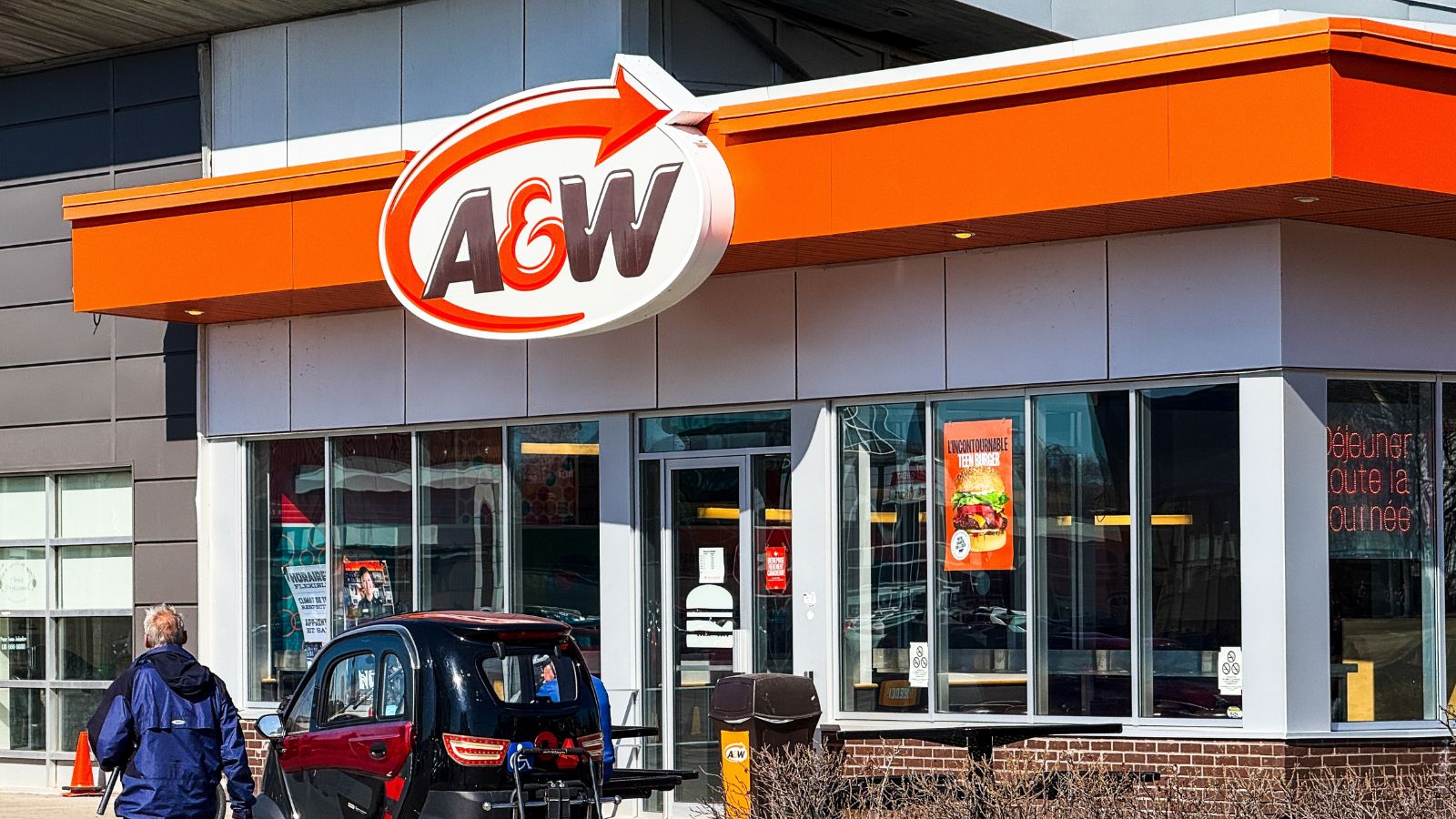
A&W Canada has carved out a strong position with burgers, breakfast, root beer, drive-thrus, and marketing around ingredients and nostalgia. It has often felt more distinct than many quick-service burger chains, partly because its Canadian business has a separate identity from the U.S. brand. Recent results show growth, though not explosive growth.
The issue is that fast food has become a value battleground. McDonald’s, Wendy’s, Burger King, Harvey’s, convenience stores, food courts, and delivery platforms all compete for the same lunch and dinner dollars. A&W’s higher-quality perception can help, but it also has to defend price points when households are watching spending. The brand remains loved, but quick-service loyalty is easy to interrupt with coupons, apps, and value menus.
Pizza Pizza
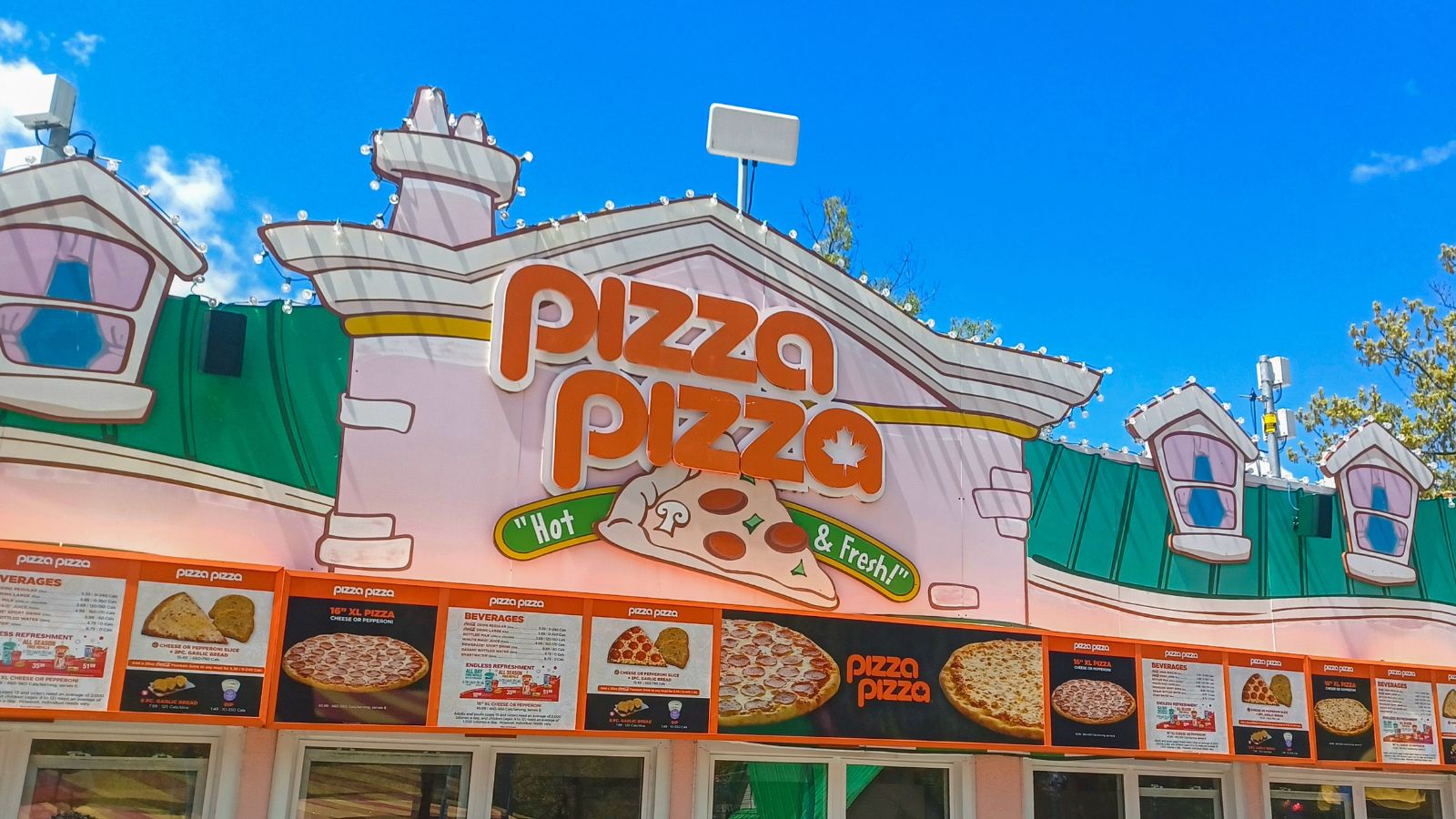
Pizza Pizza is one of Canada’s most recognizable quick-service food brands, especially in Ontario, where its orange branding, sports-arena presence, and late-night delivery reputation are hard to miss. It remains a large network, and recent annual results showed modest growth across the royalty pool.
But pizza is an intensely crowded category. Domino’s, Little Caesars, Pizza Hut, local independents, grocery take-home pizzas, frozen pizzas, and delivery-app-only restaurants all compete heavily on convenience and price. Pizza Pizza’s challenge is to keep its value reputation without being seen as merely the default option. When consumers can compare deals instantly, a legacy phone number and familiar box are no longer enough.
19 Things Canadians Don’t Realize the CRA Can See About Their Online Income

Earning money online feels simple and informal for many Canadians. Freelancing, selling products, and digital services often start as side projects. The problem appears at tax time. Many people underestimate how much information the CRA can access. Online platforms, banks, and payment processors create detailed records automatically. These records do not disappear once money hits an account. Small gaps in reporting add up quickly.
Here are 19 things Canadians don’t realize the CRA can see about their online income.
