
Canadian travel can turn tense in a matter of seconds. A routine border crossing may begin with a passport scan and a polite greeting, but one follow-up question can suddenly make even prepared travellers feel as if every receipt, itinerary, and suitcase zipper matters.
Border officers are trained to confirm identity, admissibility, customs declarations, and travel purpose, not to make casual conversation. For Canadians returning home or entering another country, these 11 questions often feel stressful because they touch money, work, purchases, food, phones, cannabis, pets, criminal history, and the exact reason for the trip.
Where Are You Coming From Today?
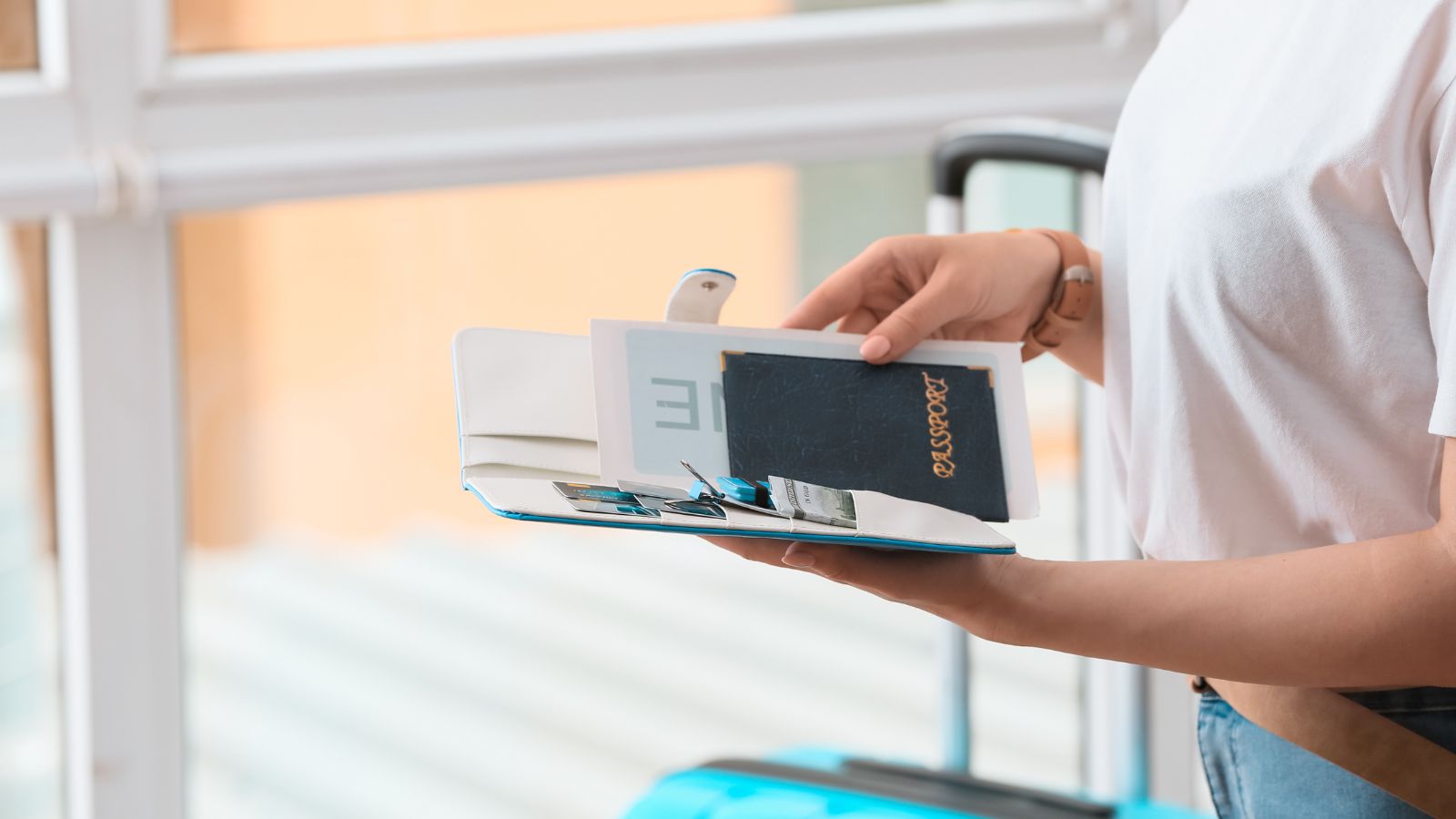
This question sounds simple, but it can feel loaded when a traveller has a complicated route. A Canadian returning from Europe through a U.S. connection, or driving home after multiple stops across state lines, may suddenly worry about whether every stop matters. Border officers ask because travel history can affect customs declarations, agricultural risk, immigration screening, and admissibility. A weekend in Buffalo is different from a month-long trip through several countries, even if both end at the same booth.
The stress often comes from trying to answer too neatly. A traveller may say “Seattle” because that was the last city visited, while the passport shows a recent flight from Mexico or Asia. That mismatch can lead to follow-up questions. The best answer is usually factual and chronological: where the trip began, where the traveller connected, and where they are arriving from immediately. Border processing relies heavily on consistency, and even innocent shortcuts can sound evasive under pressure.
What Was the Purpose of Your Trip?

This is one of the most common questions at any border, but it can make travellers freeze because “business,” “work,” “meetings,” “conference,” and “vacation” do not always mean the same thing legally. Canadians entering the United States, for example, may often travel for tourism or certain business activities without a visitor visa, but performing hands-on work, taking employment, or being paid by a U.S. source can raise different issues. A simple phrase can accidentally make a lawful trip sound like unauthorized work.
The stress is especially common for remote workers and professionals. Someone attending meetings in Chicago may be fine explaining that they are going for business meetings, while someone planning to serve customers, install equipment, or do paid work on-site may face more scrutiny. Officers are not just asking what the trip is called; they are testing whether the planned activity fits the permitted category. A clear itinerary, return ticket, conference registration, or employer letter can help keep the answer grounded.
How Long Will You Be Staying?

Length of stay matters because it can change the legal and practical meaning of a trip. A two-day shopping run, a three-week family visit, and a four-month snowbird stay invite different questions. Canadian travellers going to the United States for longer periods may need to pay closer attention to I-94 records, admission dates, and registration requirements. Government guidance has specifically warned Canadians staying in the U.S. for more than 30 days to confirm whether registration rules apply.
This question also makes travellers nervous because plans can be flexible. A retiree might say “about three months,” while a rental agreement says four. A student visiting relatives might not have booked the return ticket yet. Those situations are not automatically suspicious, but they can create more questions about money, ties to Canada, health insurance, and whether the person intends to leave on time. A precise answer supported by dates usually lands better than vague phrases like “not too long” or “as long as possible.”
What Did You Buy or Receive While Away?
This question raises stress because many travellers forget how broad “goods” can be. It does not only mean luxury items or shopping bags. It can include gifts, online purchases picked up abroad, repairs or alterations made outside Canada, prizes, inherited items, and goods bought duty-free. Canadians returning home are expected to declare goods obtained abroad, and personal exemptions depend on how long they were outside the country.
The awkward moment often happens when a traveller tries to summarize purchases from memory while receipts are buried in a backpack. A $40 souvenir may not matter much, but a watch, designer bag, laptop, or several small purchases can change the customs calculation. Gifts can also surprise people: Canada allows some gifts under a stated value to be brought in without duties or taxes, but they still must be declared. The safest approach is not to guess low; it is to have receipts ready and describe purchases plainly.
Are You Carrying More Than CAN$10,000?
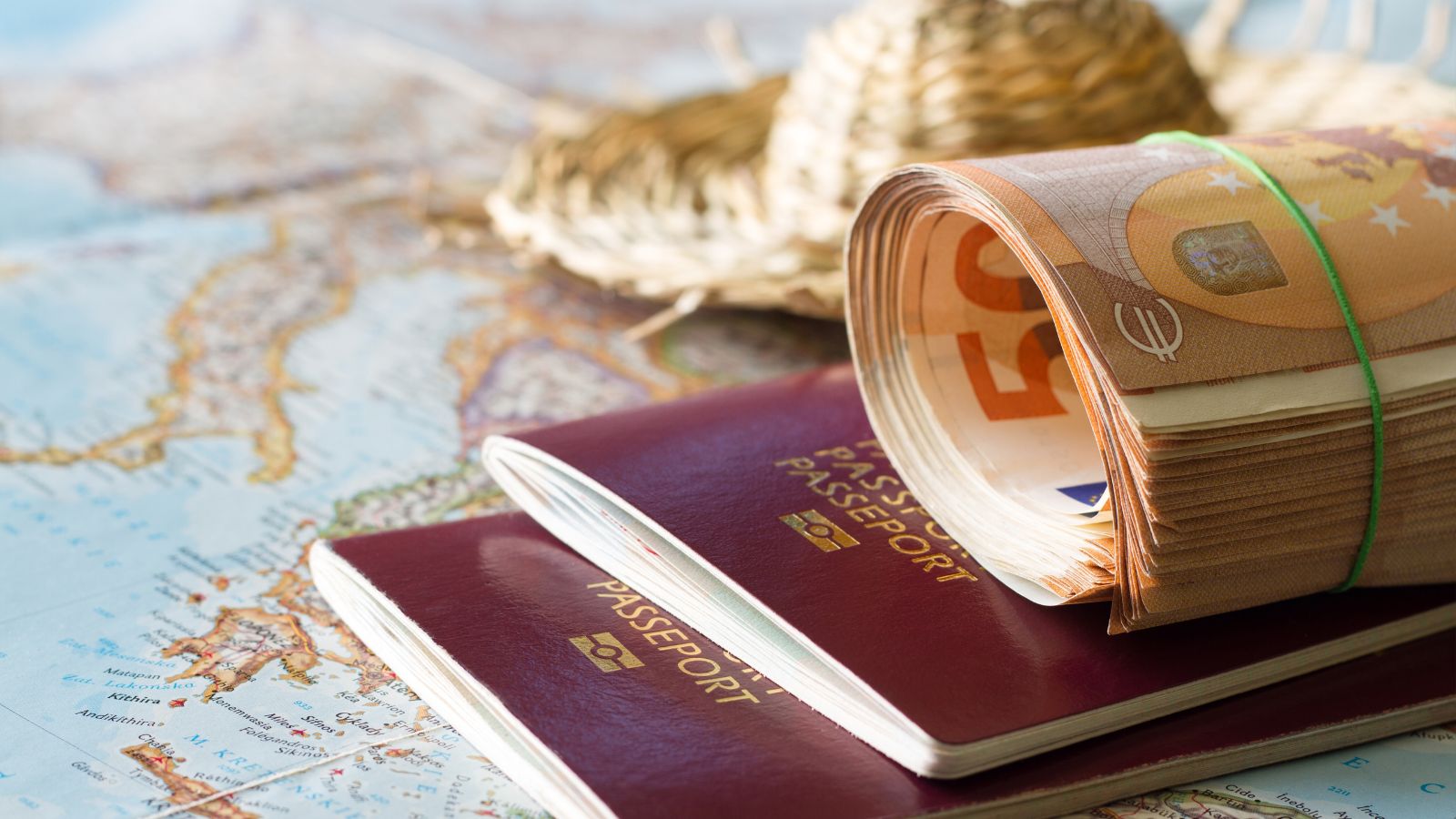
Few questions sound more intimidating, even though carrying a large amount of money is not automatically illegal. The issue is disclosure. Travellers entering or leaving Canada must report currency or monetary instruments valued at CAN$10,000 or more. That can include cash, cheques, bank drafts, money orders, and similar instruments. Border officers ask because unreported large-value currency can be seized, and the rule is tied to anti-money-laundering controls.
The stress often comes from confusion over totals. A family may split cash among several people and not realize the combined amount is relevant. Another traveller may think a bank draft does not count because it is not physical cash. Someone moving money for tuition, a property deposit, or family support may feel embarrassed even when the purpose is legitimate. The most important fact is that declaration is not an accusation; it is a reporting requirement. Problems usually start when travellers conceal, minimize, or misunderstand what counts.
Are You Bringing Any Food, Plants, Animals, or Soil?
This question catches travellers off guard because the items involved often feel harmless. A sandwich, homemade sausage, fruit, seeds, flowers, hiking boots with soil, or a small wooden souvenir can all matter at the border. Canada requires travellers to declare food, plant, animal, and related products because these items can carry pests, diseases, or invasive risks. Even when an item is allowed, it may still need to be declared first.
The stress comes from the ordinary nature of the items. A family returning from a road trip may not think about apples in the cooler. A camper may forget muddy boots in the trunk. A traveller bringing snacks from relatives may not know the ingredients. Border officers are trained to look at these goods because biosecurity problems can be expensive and difficult to reverse. A truthful declaration is usually better than hoping a small item goes unnoticed, especially because uncertainty can be answered at the booth before it becomes a penalty issue.
Do You Have Any Cannabis or CBD Products?
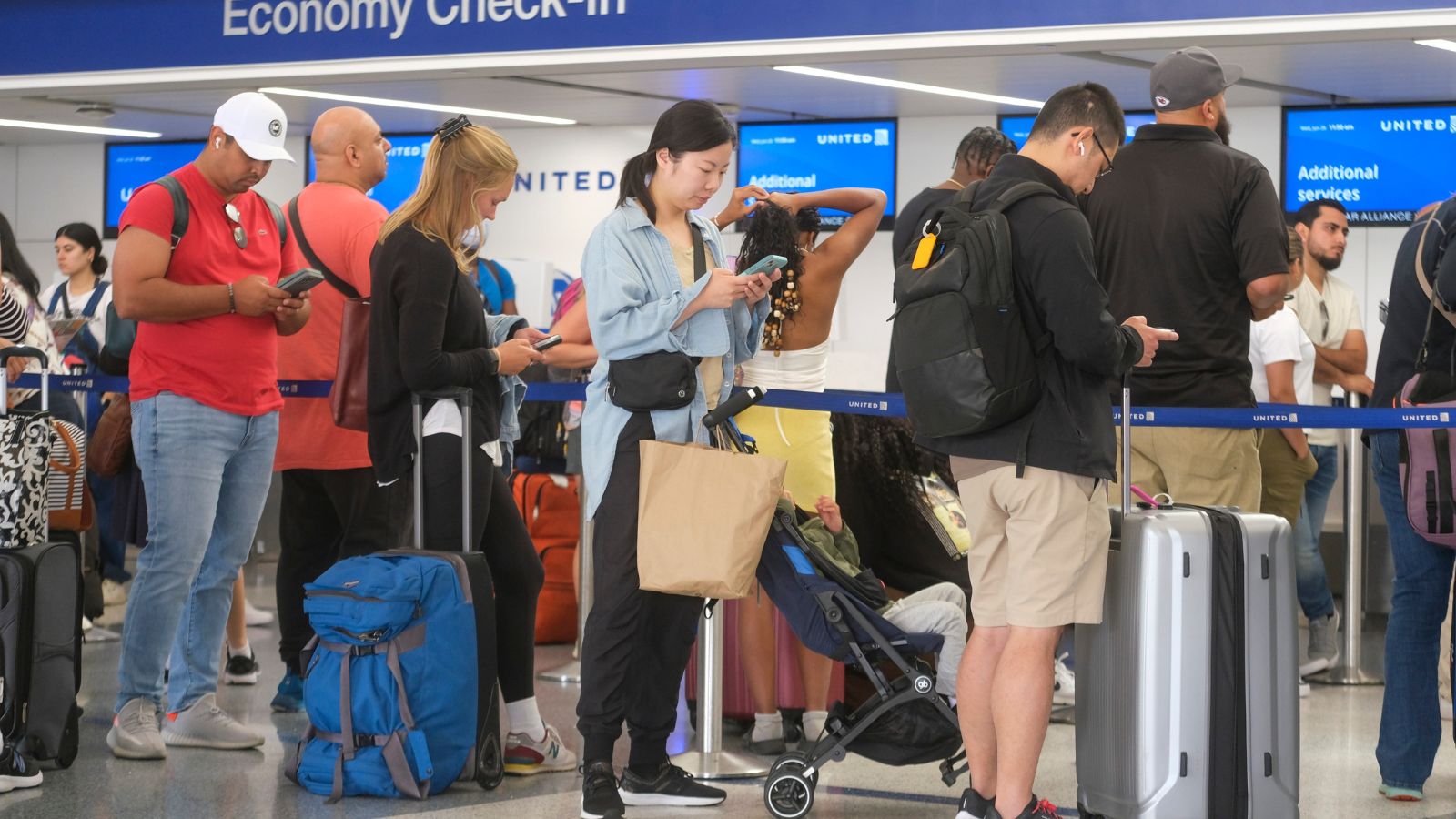
For Canadian travellers, this question feels unusually stressful because cannabis is legal within Canada but illegal to carry across the Canadian border without proper authorization. That includes entering Canada, leaving Canada, and carrying products such as edibles, extracts, topicals, and CBD products. The legal status inside one country does not make the product acceptable at an international border. This is one of the clearest examples of domestic legality not transferring across a boundary.
The stressful part is that many cannabis products no longer look obvious. Gummies, oils, creams, capsules, and vape cartridges can sit beside ordinary toiletries or snacks. A traveller may forget a CBD balm in a toiletry bag or assume a sealed legal-store product is fine. It is not the packaging that matters most; it is the substance and the border rule. Officers ask because cannabis can trigger seizure, penalties, or criminal consequences, and honest disclosure still does not mean the item can be carried through.
Can I Look at Your Phone or Laptop?
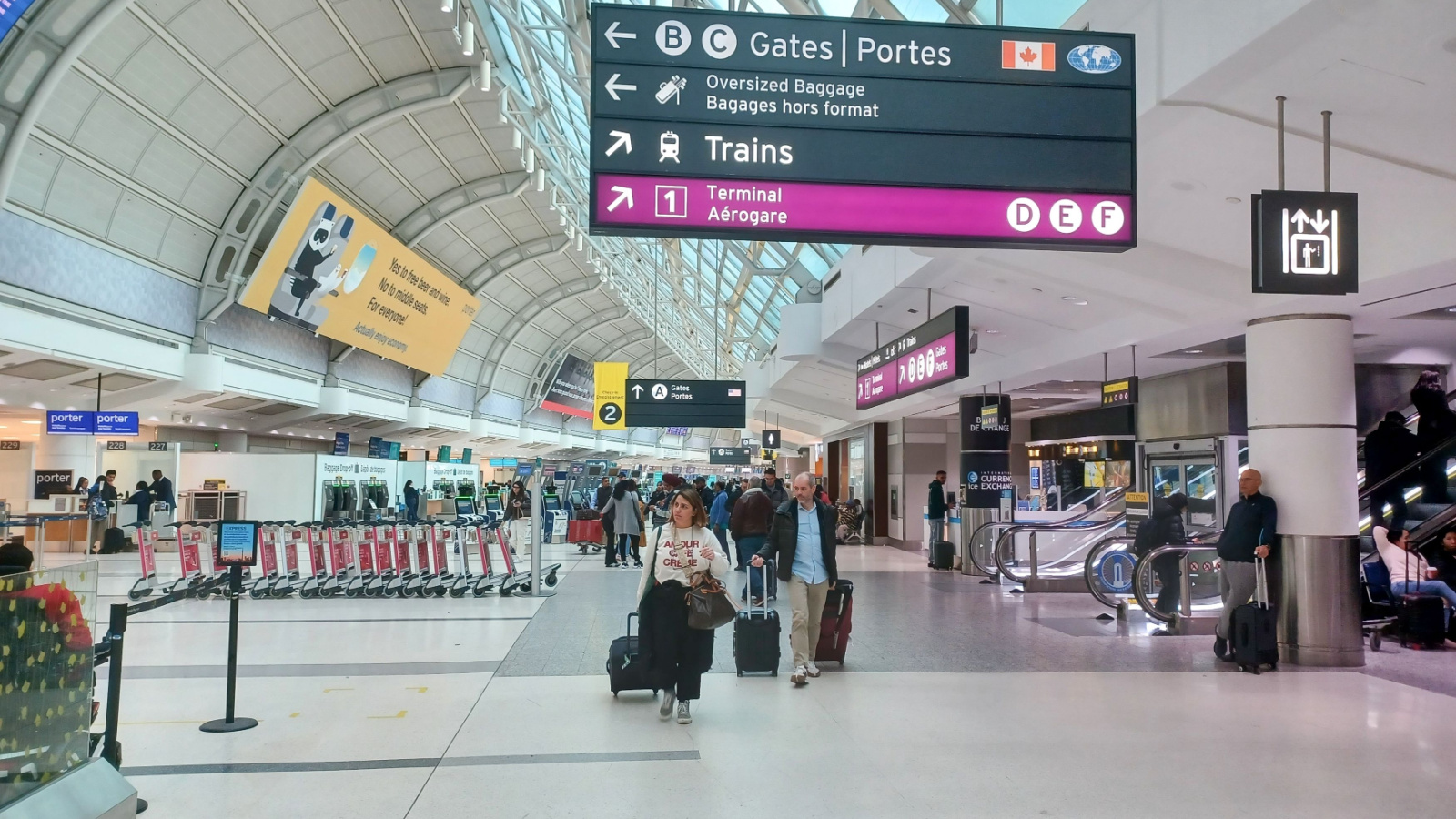
This question can instantly change the mood because digital devices feel more personal than luggage. Phones contain banking apps, family photos, private messages, work files, medical information, and years of browsing history. Canadian border policy says personal digital devices are not examined as a routine matter, but officers may examine them when there are indicators or concerns that border laws may have been contravened. That distinction matters, but it does not remove the anxiety in the moment.
Travellers often worry about what is private, what is work-related, and what happens if they refuse. A business traveller may have confidential files. A student may have chats that are embarrassing but irrelevant. A photographer may have thousands of images from multiple trips. The stress is not just legal; it is emotional. A practical example is a traveller whose declaration says “vacation,” while the phone contains invoices, product samples, or messages about paid work abroad. In that context, the device may become part of the officer’s effort to verify the story.
Have You Ever Been Arrested or Convicted?

This question is stressful because it reaches into a person’s past, and the traveller may not know whether an old incident still matters. Border officers can consider criminal history when deciding admissibility. Canada’s immigration guidance notes that past crimes, including impaired driving, assault, theft, dangerous driving, and drug offences, can make someone criminally inadmissible. For Canadians entering other countries, foreign rules can also be strict and may not match Canadian expectations.
The anxiety often comes from uncertainty rather than dishonesty. A decades-old impaired driving conviction, a withdrawn charge, a youth incident, or an expunged record may still create confusion at the booth. Travellers may also assume that because they previously crossed without issue, the matter can never come up again. That is not always safe. Border databases, rules, and officer questions can vary by trip. The strongest approach is to avoid improvising legal interpretations at the booth and seek proper advice before travelling if there is any doubt.
Who Packed Your Bags?
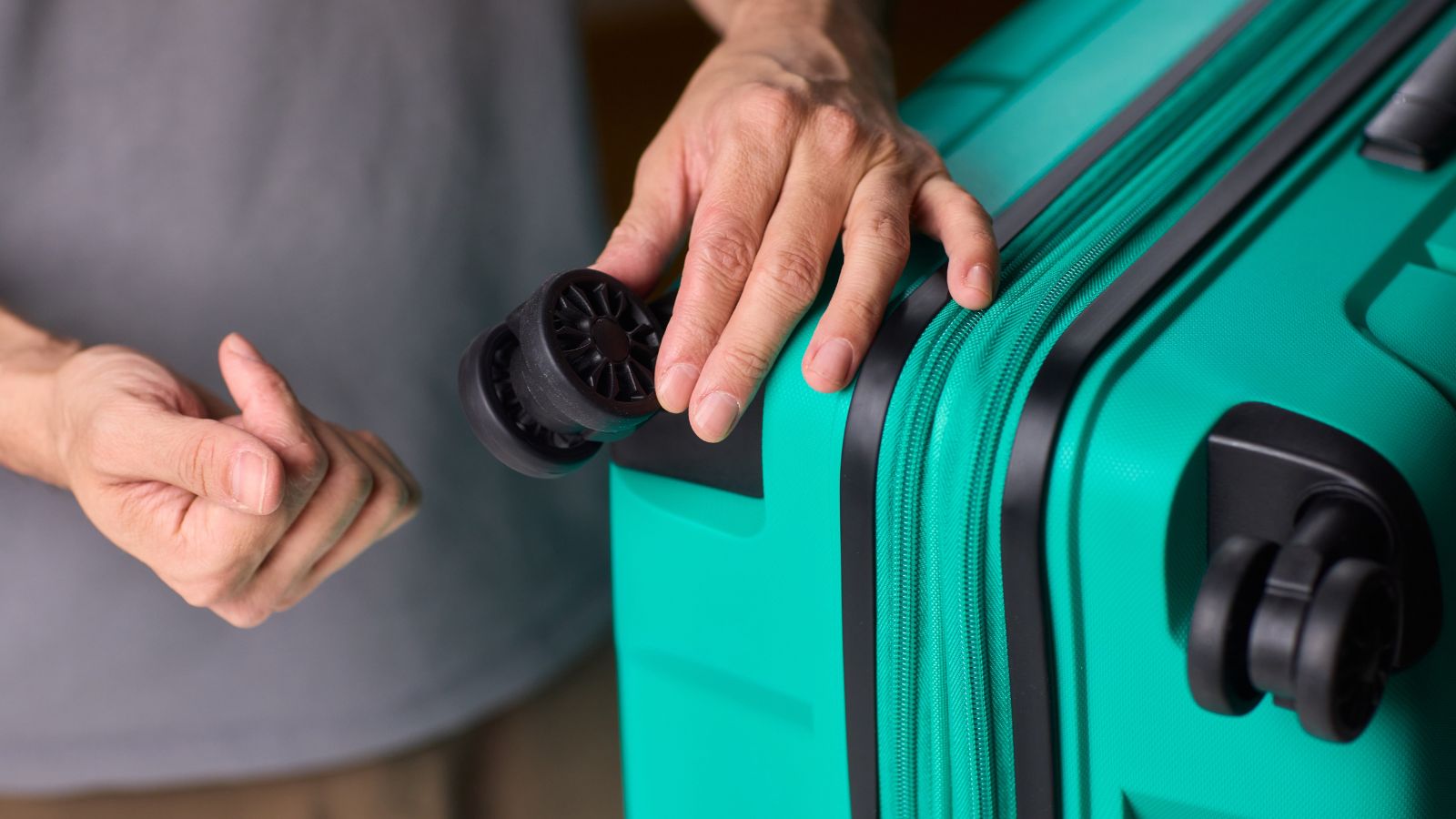
This question can sound dramatic, but it exists for a reason. Border agencies regularly warn travellers not to carry items for other people without knowing exactly what they contain. A suitcase packed by a relative, a package from a friend, or a sealed gift for someone abroad can create serious problems if it contains restricted, undeclared, or illegal goods. The person carrying the item is the one facing the immediate border consequences.
The stressful part is social. Many travellers do favours for family without inspecting everything. Someone may agree to bring “documents,” “snacks,” “medicine,” or “a small gift” because refusing feels rude. At the border, that explanation rarely sounds reassuring if the contents are unclear. Officers ask this question because accountability follows possession. A traveller who says “my cousin packed it” may invite a search, not because kindness is suspicious, but because the officer now has reason to confirm what is actually being transported.
Are You Travelling With a Pet?

Pet questions can surprise travellers because a dog in the back seat feels like a family member, not an import issue. Canada’s inspection rules require the right paperwork for animals entering the country, and missing documents can lead to delays or refusal of entry for the animal. Requirements can vary depending on species, age, origin country, health status, and disease-control rules. A simple “yes, just the dog” can therefore become a detailed inspection conversation.
The stress often appears when travellers assume domestic routines apply internationally. A vaccinated pet may still need proof. A rescue animal, young puppy, or pet returning from a long trip may trigger additional checks. Even food packed for the animal may raise separate food or animal-product questions. A common example is a family returning from the United States with a dog, treats, and a bag of specialty food. The pet itself, the documents, and the food may all need attention at the same border crossing.
Where Will You Stay, and How Are You Paying for the Trip?
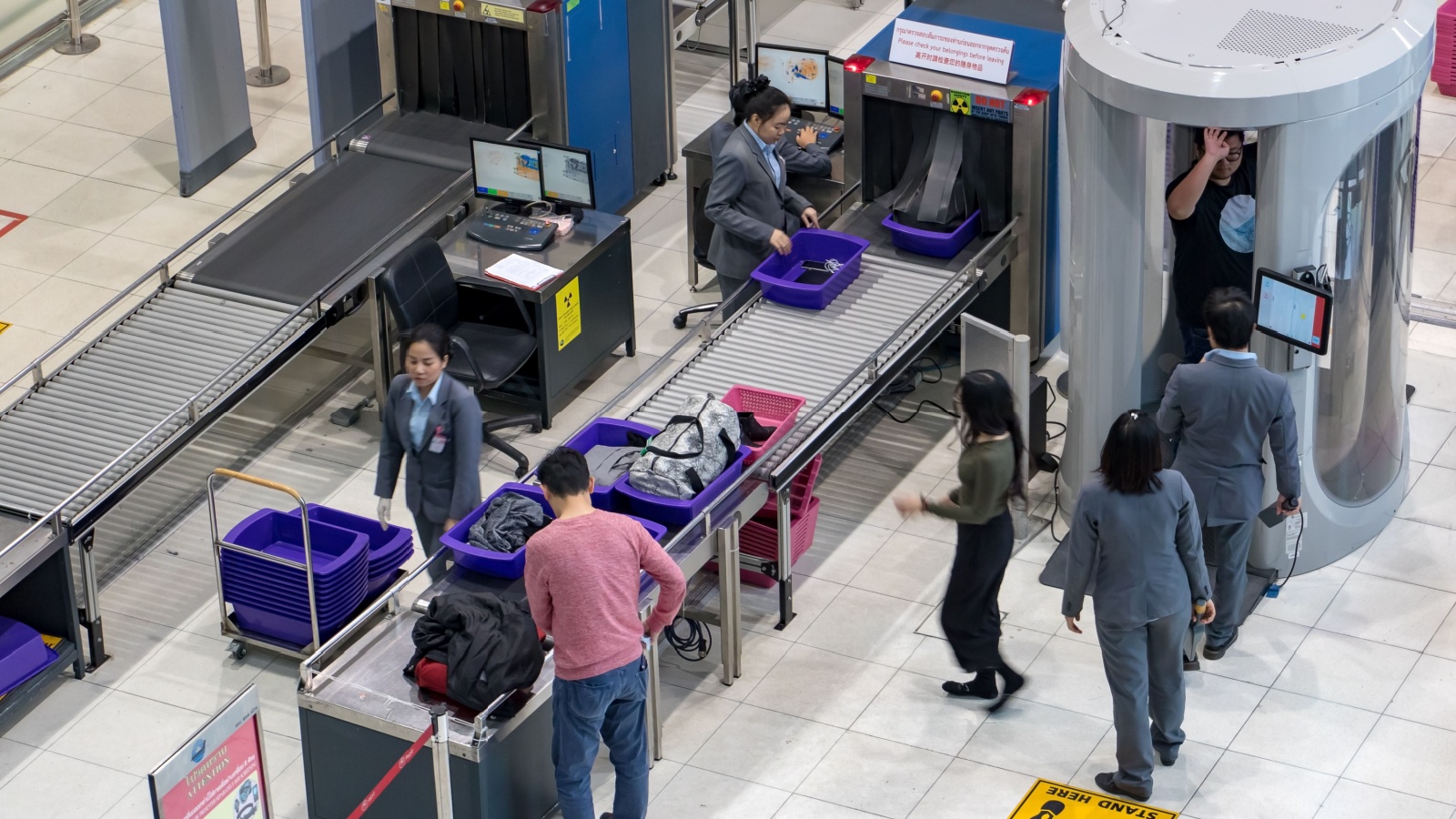
This question can feel personal because it touches housing, money, relationships, and travel plans all at once. Officers ask because accommodation and financial support help show whether a traveller’s stated purpose is realistic. A short hotel booking supports a weekend trip. A cousin’s address may support a family visit. No clear address, no return plan, and limited funds can invite more questions, especially when the stay is long.
The stress is often highest for travellers with informal plans. A backpacker may be moving between hostels. A snowbird may be staying at a rented condo. A remote worker may be staying with friends while continuing Canadian employment. None of that is automatically wrong, but the explanation should be coherent. An officer may ask for a hotel confirmation, invitation, rental agreement, credit card, or return ticket. The question is less about judging the traveller’s budget and more about testing whether the trip matches the story being presented.
19 Things Canadians Don’t Realize the CRA Can See About Their Online Income

Earning money online feels simple and informal for many Canadians. Freelancing, selling products, and digital services often start as side projects. The problem appears at tax time. Many people underestimate how much information the CRA can access. Online platforms, banks, and payment processors create detailed records automatically. These records do not disappear once money hits an account. Small gaps in reporting add up quickly.
Here are 19 things Canadians don’t realize the CRA can see about their online income.
